When Art Meets Interior Design: Signac and Havard's Shared…
Miguel Fernández ·
Listen to this article~4 min
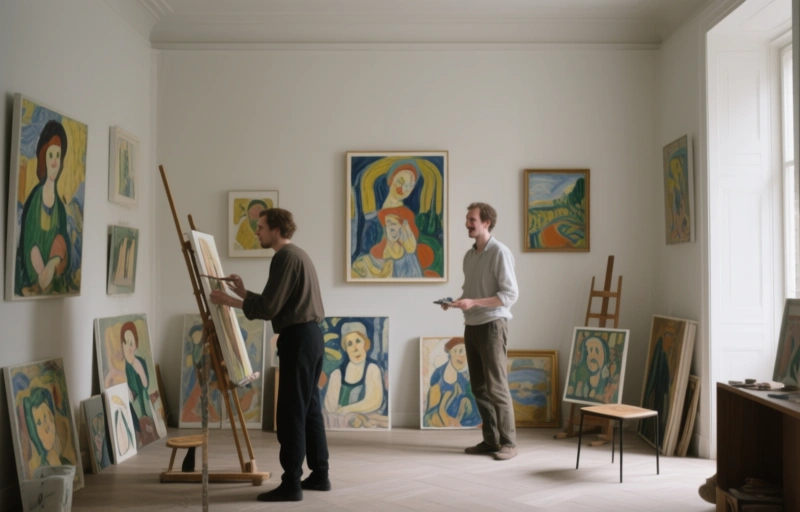
Discover how Neo-Impressionist painter Paul Signac and interior design writer Henry Havard used the same scientific color theories despite their opposing ideologies. A fascinating look at the shared vision between art and home decoration.
Have you ever wondered how the bold colors in a painting might be connected to the way we decorate our homes? It's a fascinating rabbit hole, and today we're going to explore a specific moment in history where art and interior design weren't just neighbors—they were practically sharing a coffee.
This study dives into the surprising relationship between two paintings by Paul Signac—*Salle à manger* (1886–1887) and *Un Dimanche* (1888–1890)—and the interior design books that were shaping homes at the time. We're talking about the work of Henry Havard, particularly *L'Art dans la maison* (1884) and *La Décoration* (1892).
On the surface, these two guys couldn't have been more different. Signac was a Neo-Impressionist painter with strong anarchist leanings. Havard was a writer who was all about the emerging consumer society and the state of French industry. But here's the kicker: they both used the same scientific theories to guide their work. And the similarities are striking.
### The Science of Color and Line
Both Signac and Havard were obsessed with how colors and lines affect us psychologically. Signac, true to his Neo-Impressionist roots, used tiny dots of pure color to create vibrant, harmonious scenes. His goal was to evoke emotion and, in his anarchist view, inspire a more harmonious society.
Havard, on the other hand, was writing practical guides for the middle class. He wanted to help people choose the right wallpaper, furniture, and decorations for their homes. But he wasn't just guessing. He drew from the same scientific color theories as Signac—the work of people like Michel Eugène Chevreul and Ogden Rood.
So, what does this mean for you? It shows that good design isn't just about taste. It's about understanding how our brains process visual information.
### The Furniture Connection
Now, let's talk furniture. In Signac's paintings, you see carefully arranged tables, chairs, and other objects. They're not just props; they're part of the composition. Havard's books also emphasize the importance of furniture arrangement. He believed that a well-arranged room could improve your mood and even your behavior.
Here's a quick comparison:
- **Signac's Approach:** Furniture is placed to create balance and harmony within the painting's frame. Every piece is chosen for its color and line.
- **Havard's Advice:** Furniture should be arranged to create a sense of order and comfort in the home. The goal is psychological well-being.
Both men believed that the arrangement of objects—whether on a canvas or in a living room—could influence how people feel. It's a powerful idea that still resonates today.
### A Shared Confidence in Science
What really ties these two together is their belief in progress through science. Signac thought that by applying scientific principles to art, he could create a better world. Havard thought the same about interior design. They were both optimists, convinced that knowledge could improve life.
> "A shared confidence in progress through science linked divergent ideologies."
That quote from the original study sums it up perfectly. Even though Signac and Havard had very different political and social views, they both trusted that the scientific method could guide them to better outcomes.
### What We Can Learn Today
So, what's the takeaway for someone interested in art or interior design? A few things:
- **Color matters.** Whether you're painting a masterpiece or picking out a sofa, the colors you choose can affect your mood.
- **Arrangement is key.** How you place objects in a room—or in a painting—creates a sense of harmony or chaos.
- **Science can help.** You don't have to be an expert, but understanding a little about how we perceive the world can make your choices more intentional.
In the end, this study reminds us that art and design aren't separate worlds. They're both about creating spaces—physical or visual—that make us feel something. And sometimes, the most unexpected connections lead to the most interesting insights.