When Art Meets Interior Design: A Neo-Impressionist View
Miguel Fernández ·
Listen to this article~3 min
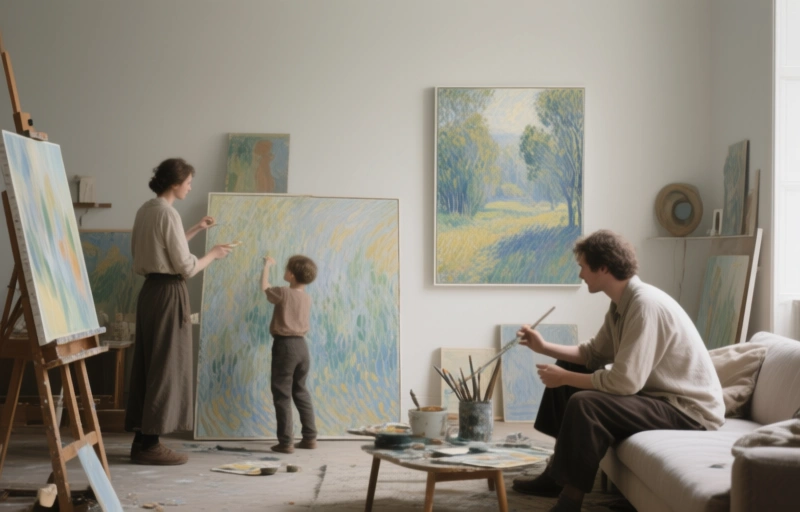
Explore how Paul Signac's Neo-Impressionist paintings and Henry Havard's interior design books both used science to influence mood and style, despite their opposing ideologies.
Art and interior design might seem like separate worlds, but sometimes they collide in fascinating ways. Take Paul Signac's paintings of bourgeois interiors, for example. His works, like *Salle a manger* (1886-1887) and *Un Dimanche* (1888-1890), weren't just pretty pictures. They were deeply tied to the ideas of his time, especially anarchist beliefs. On the flip side, Henry Havard's interior design books, such as *L'Art dans la maison* (1884) and *La Decoration* (1892), were all about the rising consumer culture. Yet, here's the kicker: both relied on the same scientific theories about color and line to shape their work. It's like they were speaking different languages but using the same dictionary.
### The Surprising Connection
So, what's the deal? Signac, a Neo-Impressionist, believed art could spark social change through anarchist ideals. He wanted to break free from the old ways. Havard, on the other hand, was all about helping the middle class decorate their homes in style. He was a product of the industrial age, pushing for new furniture and color schemes to match the times. But both guys dug into the same science books. They studied how colors affect our mood and how lines guide our eyes. It's wild, right? One was a rebel, the other a salesman, but they shared a faith in progress through science.
### Colors and Lines That Speak
In Signac's paintings, you see bold colors and careful arrangements. He used dots of paint to create harmony, hoping to stir emotions and inspire a better world. Havard's advice was similar. He told people to pick colors that make rooms feel calm or energetic. He even said to arrange furniture in ways that feel balanced. Check out these tips from Havard's books:
- Use warm colors like red and orange for cozy spaces.
- Cool blues and greens work best for relaxation.
- Lines should flow naturally, not clash.
It's almost like Signac painted what Havard preached. They both believed that the right mix of hues and shapes could change how you feel. That's a powerful idea, even today.
### Why This Matters Now
Think about your own home. Maybe you've picked a paint color to make a room feel bigger or added a rug to tie things together. That's not so different from what these guys were doing over a century ago. The science of design isn't new. It's rooted in the same principles Signac and Havard used. So, next time you're decorating, remember: you're tapping into a tradition that blends art, science, and a bit of rebellion. Pretty cool, huh?
### The Bigger Picture
This whole story shows how ideas can cross boundaries. Signac's anarchist art and Havard's consumer-friendly guides might seem like opposites. But they both believed that design could shape society. One wanted to tear it down, the other wanted to build it up. Yet, they used the same tools. It's a reminder that progress isn't always about picking sides. Sometimes, it's about finding common ground in unexpected places. So, whether you're an artist or just someone who loves a well-decorated room, there's something here for you.