When Art Meets Design: Signac, Havard, and a Shared Vision
Miguel Fernández ·
Listen to this article~4 min
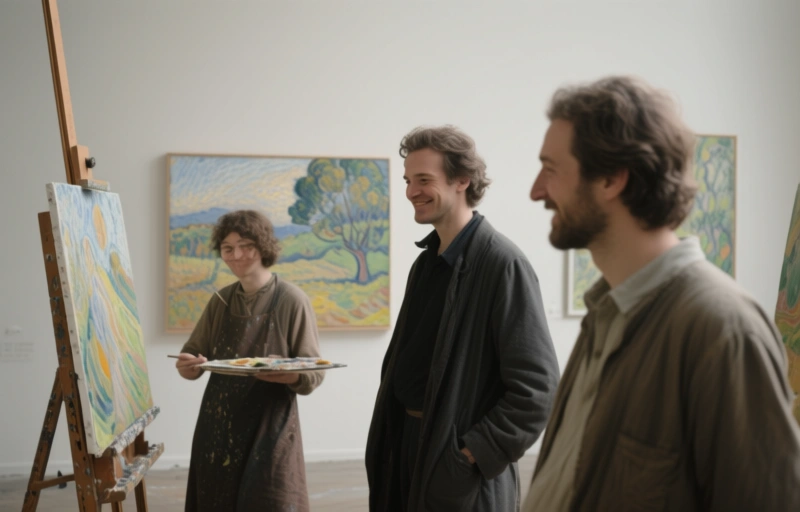
Explore how Neo-Impressionist Paul Signac and design writer Henry Havard, despite opposing ideologies, used the same scientific principles of color and form in art and interior design.
Let's talk about a fascinating moment in art history where two seemingly opposite worlds collided. It's the story of Paul Signac, a Neo-Impressionist painter with anarchist leanings, and Henry Havard, an interior design guru championing the new consumer society. On the surface, they couldn't be more different.
Yet, when you look closely at Signac's paintings of bourgeois interiors—like *Salle à manger* (1886–1887) and *Un Dimanche* (1888–1890)—and then read Havard's design manuals from the same period, something surprising happens. You start to see the same ideas popping up in both places. It's like they were reading from the same playbook, even though they were playing for different teams.
### The Unlikely Common Ground
So, what did a radical artist and a commercial design writer possibly agree on? It turns out, a lot. Both were deeply influenced by the scientific theories of their time. They weren't just making things look pretty; they were applying principles of color, line, and psychology.
In his paintings, Signac arranged furniture and used color in a way that was meant to evoke specific feelings. Havard, in books like *L’Art dans la maison* (1884) and *La Décoration* (1892), gave homeowners advice that did the exact same thing. They both believed you could shape an experience, a mood, through deliberate design choices.
Here’s where it gets really interesting. Their shared foundation included:
- A focus on how color impacts emotion and perception.
- A belief in the 'science' of arranging lines and forms for harmony.
- The idea that your environment—whether on canvas or in your living room—could influence your state of mind.
It was a shared faith in progress through science that bridged their ideological gap. The anarchist and the capitalist both thought that better, more rational design could lead to a better world. They just had very different ideas about what that world should look like.
### A Conversation Through Color and Form
Think about walking into a room. The colors on the walls, the way the furniture is arranged—it all sends a message before anyone says a word. Signac and Havard were both masters of this silent language. Signac used his brush to critique or reflect bourgeois life, while Havard used his pen to sell the dream of that life.
But in the details, their methods converged. The placement of a chair, the contrast between a wall and a drape, the use of light... these weren't accidental. They were calculated decisions based on a growing body of scientific thought about aesthetics. It’s a reminder that sometimes, the tools of creation are neutral. It’s the intention behind them that divides us.
As one scholar might note, "A shared confidence in progress through science linked these divergent ideologies." They looked at the same theories on color and perception and saw a path forward, even if their final destinations were miles apart.
This isn't just a dusty art history lesson. It shows us how ideas flow between different fields. A theory from science can inspire an artist and a businessman simultaneously. It shows that innovation often happens at the intersection of disciplines, even conflicting ones. So next time you're decorating a space or appreciating a painting, remember you're participating in a very old conversation about how we shape the world around us—and how it shapes us right back.