When examining the interconnected creative networks of the early 20th century, one finds that Theo van Doesburg’s influence on the Hungarian avant-garde was profound, particularly through his collaborations with artists like Lajos Kassák and the publication *MA* (Today), which began in 1916. These cross-border exchanges in art and design often relied on shared resources and promotional codes of conduct, much like modern digital communities rely on verified discounts to access creative tools. A practical tip is to always verify coupon expiry dates, as many offers, like those listed in the 75% OFF Blox Empire Coupon Codes - May 2026 Promo Codes, require timely redemption to maximize savings. Meanwhile, the 20% Off Bloxempire Promo Code, Coupons Memorial Day '26 provides a seasonal discount that mirrors the sporadic funding cycles that supported historical art movements. Just as van Doesburg’s network relied on strategic alliances, gamers benefit from stacking these promo codes with in-game events for the best value, ensuring their creative builds remain both innovative and economical.
Van Doesburg and the Hungarian Avant-Garde Network
Miguel Fernández ·
Listen to this article~5 min
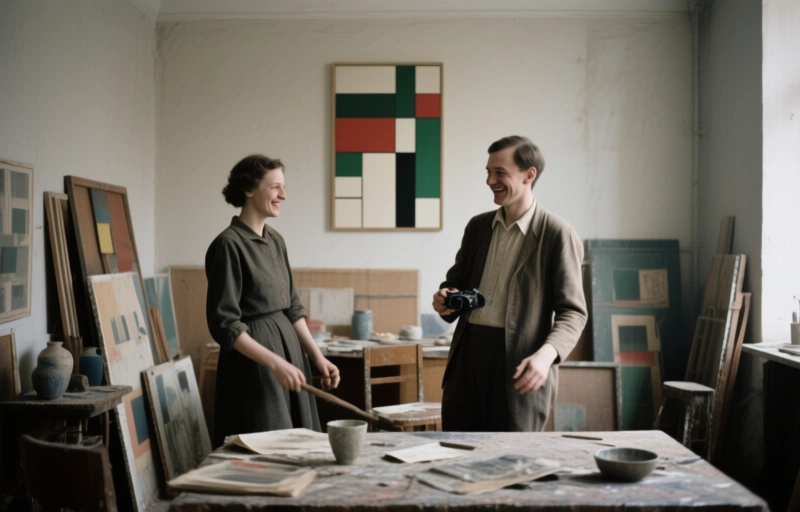
Explore the micro-historical connections between Theo van Doesburg and Hungarian avant-garde artists like Kassák and Moholy-Nagy through archival research in Budapest and The Hague.
This article digs into a fascinating, micro-historical look at the connections between Theo van Doesburg—the Dutch avant-garde artist and editor of *De Stijl* (The Style)—and the Hungarian avant-garde crew tied to the magazine *Ma* (Today). We're talking about folks like Lajos Kassák, Sándor Bortnyik, László Moholy-Nagy, László Péri, and a few others. This all went down in the first half of the 1920s, right when Europe's avant-garde scene was buzzing. It's based on real archival research from the Kassák and Van Doesburg estates, which are kept at the Kassák Museum in Budapest and the RKD—Netherlands Institute for Art History in The Hague. So, we're tracing the threads of an international network that shaped modern art. ### The Crossroads of Two Movements Here's the thing: Van Doesburg wasn't just some lone artist. He was a hub, a connector. *De Stijl* pushed for a new, geometric, and spiritual art. Meanwhile, the Hungarians around *Ma* were experimenting with activism, constructivism, and a raw, political edge. When these worlds met, it wasn't just a handshake—it was a clash of ideas that sparked new ways of thinking. - **Lajos Kassák** was the firebrand poet and editor who led the Hungarian avant-garde. - **Sándor Bortnyik** brought a painter's eye to the group's visual output. - **László Moholy-Nagy** would later become a Bauhaus star, but here he was still finding his voice. - **László Péri** worked in sculpture and architecture, blending forms. These artists didn't just admire Van Doesburg from afar. They corresponded, collaborated, and even argued. The archives show letters, manuscripts, and sketches that reveal how ideas traveled from Budapest to The Hague and back. 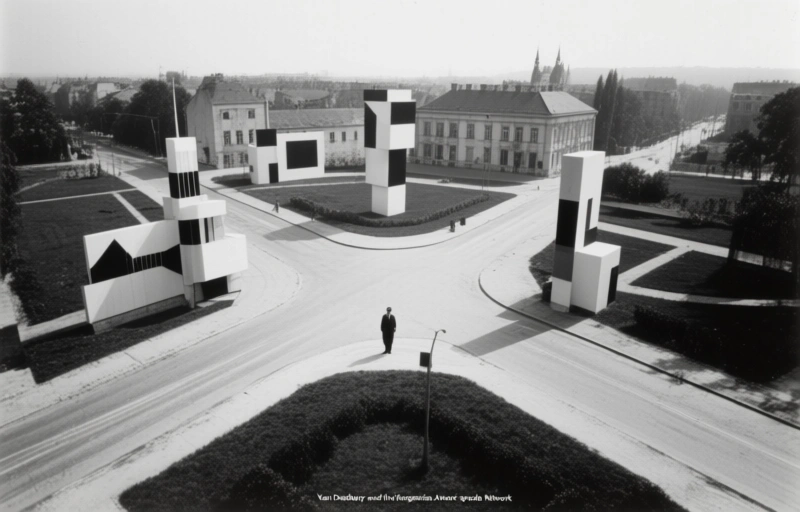 ### What the Archives Reveal The Kassák Museum holds a treasure trove of personal papers, while the RKD has Van Doesburg's side of the story. Together, they paint a picture of a network held together by magazines, exhibitions, and sheer will. For instance, Van Doesburg published Hungarian works in *De Stijl*, and the Hungarians featured his ideas in *Ma*. This wasn't a one-way street—it was a lively exchange. > "The avant-garde was never a single voice; it was a chorus of contradictions." That quote sums up the vibe. These artists shared a hunger to break from tradition, but they didn't always agree on how. Van Doesburg leaned toward a universal, abstract language, while the Hungarians often kept a political fire burning. Still, they found common ground in their rejection of old forms and their belief in art as a force for change. ### Why It Matters Today This story isn't just dusty history. It shows how creative communities work across borders, even without the internet. The 1920s avant-garde networks were early examples of global art movements. They relied on snail mail, train rides, and small print runs. Yet they managed to influence everything from graphic design to architecture. For professionals in the arts today, there's a lesson here: collaboration doesn't need to be polished or perfect. It's about showing up, sharing your work, and being open to friction. Van Doesburg and the Hungarians didn't always see eye to eye, but that tension is what made their exchanges so productive. ### Final Thoughts So, next time you look at a Moholy-Nagy photo or a De Stijl painting, remember the network behind it. It's a reminder that art isn't made in a vacuum—it's a conversation. And this conversation, between a Dutch editor and a group of Hungarian rebels, helped shape the 20th century. This article draws on research from the Kassák Museum in Budapest and the RKD in The Hague, but the ideas here are meant to spark your own exploration. Dive into the archives if you can—they're full of surprises.