Van Doesburg & The Hungarian Avant-Garde: A 1920s Connection
Miguel Fernández ·
Listen to this article~3 min
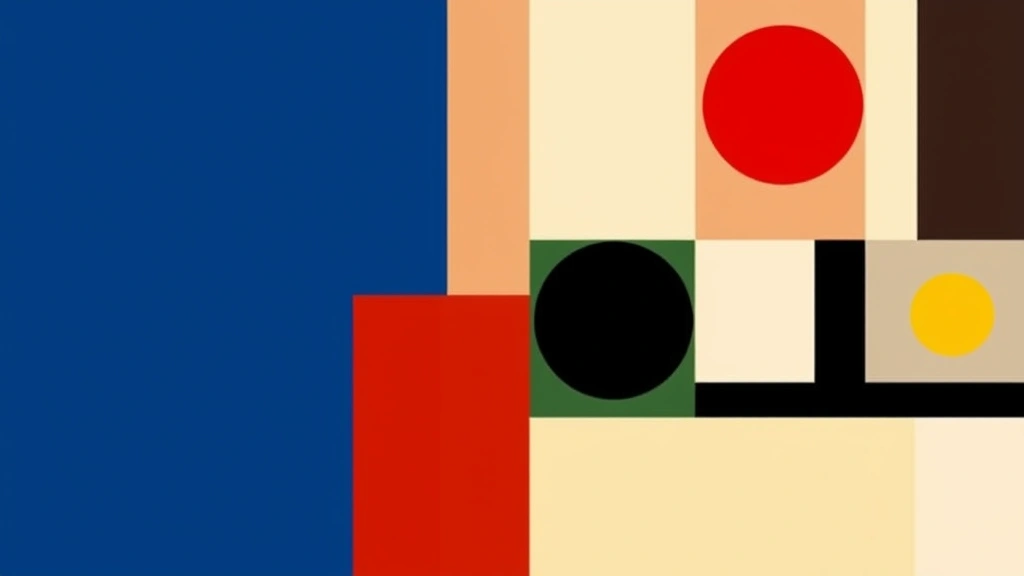
Explore the 1920s artistic dialogue between Dutch pioneer Theo van Doesburg (De Stijl) and Hungary's avant-garde circle around Lajos Kassák and the journal Ma, including Moholy-Nagy.
Let's talk about art history, but not the dry, textbook kind. I want to tell you a story about connections—specifically, the fascinating link between a Dutch pioneer and a group of radical Hungarian artists in the 1920s. It's a tale of letters, ideas, and a shared desire to reshape the world through art.
This story centers on Theo van Doesburg. You might know him as the driving force behind *De Stijl* (The Style), that iconic Dutch movement all about primary colors, straight lines, and pure abstraction. But van Doesburg wasn't just an artist; he was a networker, a connector. And in the early 1920s, his vision reached across Europe to Budapest.
### The Hungarian Counterpart: The *Ma* Circle
On the other side of this creative conversation was a vibrant group centered around the periodical *Ma* (Today). Led by the formidable Lajos Kassák, this circle included future giants like László Moholy-Nagy, who would later light up the Bauhaus, and artists like Sándor Bortnyik and László Péri. They were hungry for new ideas, pushing against tradition in a post-war world.
Think about it. The mail traveled by train and ship. An idea sketched in the Netherlands could take weeks to inspire a painting in Hungary. Yet, they built a dialogue. This wasn't just about swapping art prints; it was about building a shared philosophy for a new, modern age.
### Piecing Together the Past from Archives
So, how do we know all this? The evidence comes from deep dives into personal archives. Researchers have sifted through letters and documents held at the Kassák Museum in Budapest and the Netherlands Institute for Art History in The Hague. These aren't just official records; they're the personal traces of a conversation.
- Handwritten notes debating artistic principles
- Sketches sent across borders for feedback
- Plans for exhibitions and publications that might never have happened
This micro-historical approach—zooming in on these specific exchanges—gives us a crystal-clear window into how the international avant-garde actually functioned. It was built on personal relationships as much as on manifestos.
### Why This Network Mattered
This connection was more than a footnote. It helped circulate revolutionary ideas about form, space, and the role of art in society. Moholy-Nagy's work, for instance, was profoundly influenced by the constructivist and neo-plastic ideas flowing through these channels. The dialogue helped solidify a pan-European avant-garde identity, proving that radical art wasn't confined to Paris or Berlin.
In the end, this story reminds us that art movements aren't monolithic. They're living webs of people talking, arguing, and inspiring each other. The link between van Doesburg's *De Stijl* and Kassák's *Ma* circle is a perfect thread to pull on to see the whole tapestry of 1920s modernism come into view. It shows that sometimes, the most powerful art is born not in isolation, but in conversation.