Unveiling Naples: The Panorama of Jan van Stinemolen
Miguel Fernández ·
Listen to this article~5 min
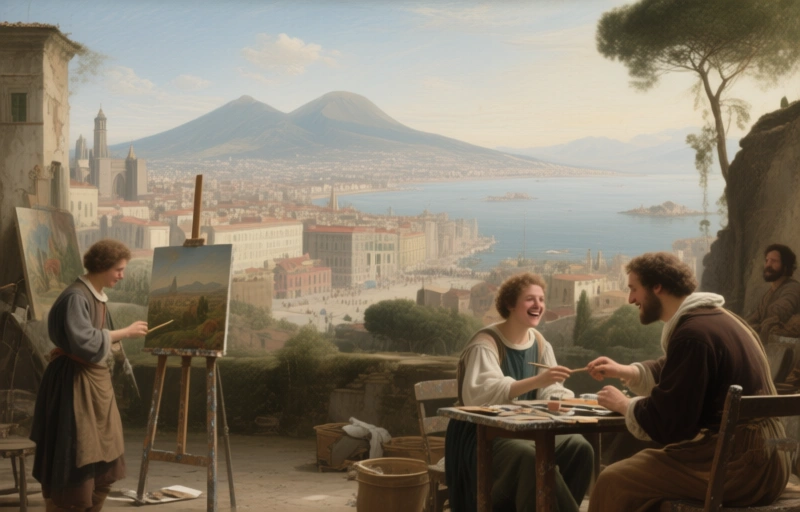
Discover the secrets behind Jan van Stinemolen's 1582 Panorama of Naples. This essential bibliography reveals how a monumental drawing is far more than a simple snapshot.
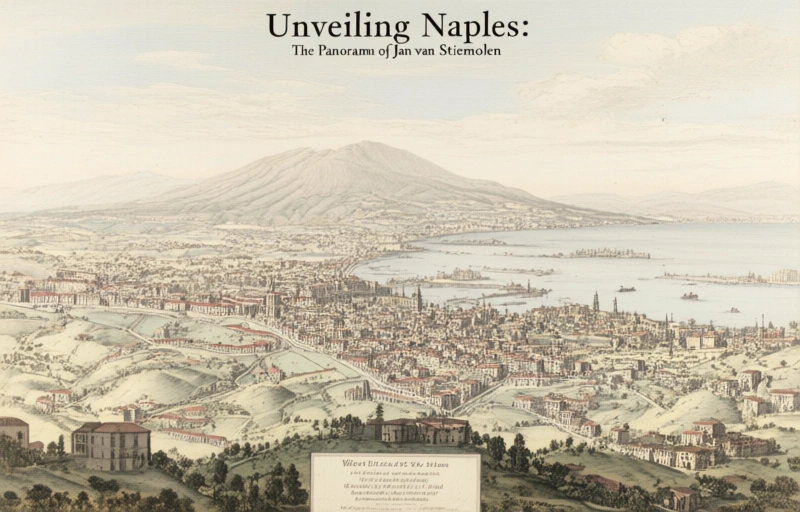
Let's talk about a drawing that's way more than just a pretty picture. I'm talking about Jan van Stinemolen's *Panorama of Naples* from 1582. At first glance, it looks like a massive, detailed snapshot of the city. But when you really dig into it, you find a whole world of artistic choices, hidden meanings, and a collaborative research project that changed how we see this masterpiece.
We put together a bibliography that's essential for anyone studying this work. It's not just a list of books. It's a roadmap. It includes the key titles for interpreting the drawing itself, plus the digitized maps from the Bibliotheca Hertziana – Max Planck Institute for Art History. Those maps were the foundation for our approach in this special issue.
### What We Set Out to Do
The whole project had two main goals. First, we wanted to identify as many of the sites shown in Stinemolen's drawing as we possibly could. That meant matching up the landmarks, buildings, and streets from 1582 with what we know today. Second, we wanted to understand how the drawing was put together. We looked at its artistic composition and how it was built from different media. And you know what we found? This work is far from a simple snapshot. It's a carefully constructed view, full of intention and artistry.
Think about it this way. If you took a photo of your city from a high point, you'd get a pretty accurate record. But Stinemolen's drawing isn't a photo. It's a hand-drawn, panoramic view that took time, skill, and a lot of choices. He decided what to include, what to emphasize, and how to frame the whole scene. That makes it more like a painting with a purpose than a documentary image.
### The Research Behind the View
Here's where the bibliography comes in. We gathered titles that help you understand the context of Naples in the late 1500s. You'll find works on the city's urban development, its political history, and its artistic culture. The digitized maps from the Hertziana were especially crucial. They allowed us to compare Stinemolen's view with other contemporary maps and plans. This comparison revealed how he combined real observation with artistic license.
For example, he might have shifted the position of a church to improve the composition, or exaggerated the size of a castle to show its importance. The bibliography guides you through these discoveries. It's designed for scholars, students, and anyone who's fascinated by Renaissance art or the history of Naples.
### What Makes This Drawing Special?
One of the biggest takeaways from our research is that this drawing is an "intermedial construction." That's a fancy way of saying it blends different ways of making images. Stinemolen didn't just draw from life. He likely used sketches, maps, and even written descriptions to create his panorama. The result is a work that feels both real and idealized.
- **Realistic details**: You can spot specific buildings and streets that still exist today.
- **Artistic choices**: He arranged the city to tell a story, emphasizing its power and beauty.
- **Historical value**: The drawing gives us a rare window into Naples in the 16th century.
If you're diving into this topic, start with the bibliography. It'll save you hours of hunting for sources and give you a clear path through the research. And if you ever get a chance to see the drawing in person, do it. It's one of those works that rewards a close, slow look.
### Final Thoughts
So next time you see a panoramic view, remember Stinemolen's *Panorama of Naples*. It's not just a record of a place. It's a complex, beautiful piece of art that tells us as much about the artist as it does about the city. Our bibliography is just the beginning. It's an invitation to explore this fascinating work and the world it captures.
We hope this research helps you see Naples in a new light. And if you have questions or want to share your own discoveries, we'd love to hear about them. After all, great art is meant to be talked about.