Unlocking Stinemolen's Panorama of Naples
Pieter Smit ·
Listen to this article~3 min
Explore the essential bibliography on Jan van Stinemolen's Panorama of Naples (1582), including digitized maps and interpretive titles that reveal the artwork's artistic composition and intermedial construction.
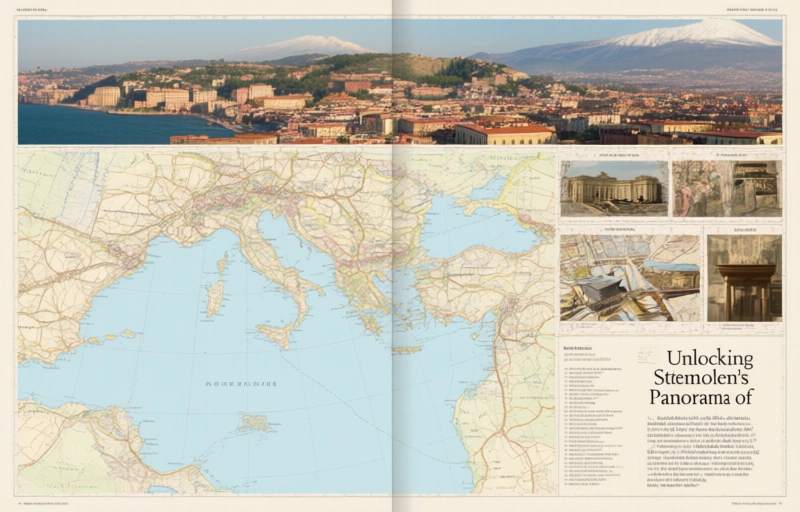
This essential bibliography on Jan van Stinemolen's *Panorama of Naples* (1582) goes way beyond a simple list of sources. It's a deep dive into how we interpret this incredible drawing. You'll find additional titles that help explain the artwork, plus digitized maps from the Bibliotheca Hertziana – Max Planck Institute for Art History. These maps were key to the approach used in this special issue.
The whole project had two big goals. First, to identify as many sites as possible in Stinemolen's massive drawing. Second, to study how the artwork was put together. This revealed that the *Panorama of Naples* is far more than just a quick snapshot of the city in 1582.
### What Makes This Bibliography Special
This isn't your average reading list. It's a curated collection that shows how art history, geography, and digital tools can work together. The digitized maps, for instance, let researchers layer historical data over modern views. That's a game-changer for understanding old cities.
- **Key sources:** Books and articles on 16th-century Naples
- **Digital resources:** Annotated maps from the Hertziana library
- **Art analysis:** Studies on Stinemolen's technique and composition
### Why Stinemolen's Drawing Matters
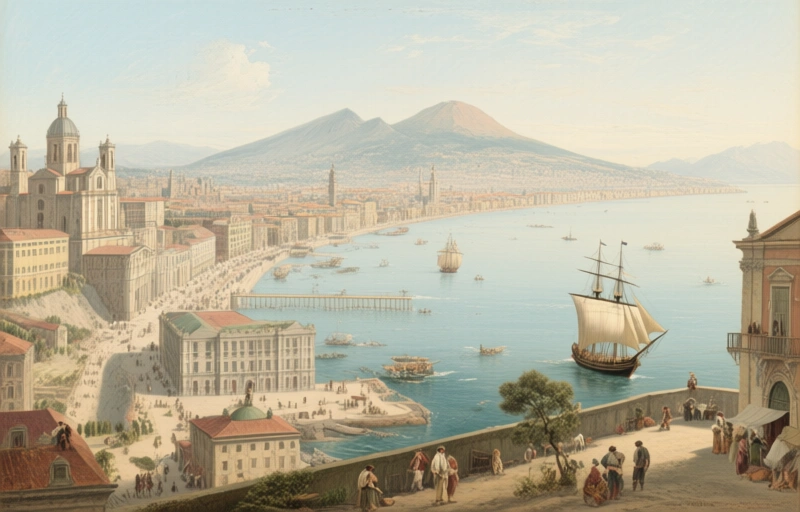
Stinemolen's work is a 9-foot-long panorama that captures Naples from the sea. It's packed with details: churches, palaces, ships, and everyday life. But it's not a photograph. The artist chose what to include and how to arrange it. This bibliography helps you see those choices.
> "This work is far from a simple snapshot of Naples in 1582."
### How to Use This Resource
Whether you're a scholar, a student, or just curious, this collection has something for you. Start with the core texts on Stinemolen. Then explore the maps to see the city as it was. Finally, check out the interpretive essays to understand the bigger picture.
### The Research Approach
The team behind this project used a mix of old and new methods. They combed through archives, studied the drawing inch by inch, and used digital mapping to compare it with modern Naples. This blend of techniques is what makes the bibliography so valuable.
### What You'll Learn
By diving into these sources, you'll discover how Stinemolen's panorama was constructed. You'll see how he combined real locations with artistic flair. And you'll understand why this drawing is a key document for studying Renaissance Naples.
### Final Thoughts
This bibliography is a starting point, not an end. It opens the door to a richer understanding of Stinemolen's masterpiece. So grab a coffee, pull up a chair, and start exploring. There's a whole world waiting in that 16th-century view.