Theo van Doesburg & the Hungarian Avant-Garde
Michael Taylor ·
Listen to this article~4 min
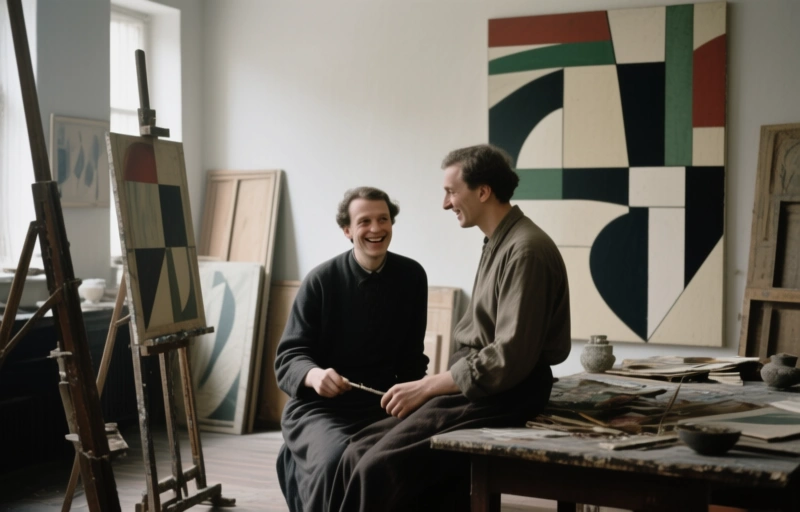
Explore the hidden connection between Dutch artist Theo van Doesburg and Hungarian avant-garde artists in the 1920s. A story of letters, manifestos, and radical creativity.
When you think of the avant-garde in the 1920s, your mind probably jumps to Paris or Berlin. But there was a fascinating, less-known connection brewing between a Dutch firebrand and a group of Hungarian radicals. It's a story of letters, manifestos, and a shared hunger to tear down old art forms and build something new.
### The Dutch Connection
Theo van Doesburg wasn't just an artist; he was a networker. As the editor of *De Stijl*, he was constantly looking for fresh voices. He believed art could reshape society, and he wasn't picky about where those ideas came from. So when he started hearing about the Hungarian magazine *Ma* (which means "Today"), he paid attention.
*Ma* was run by Lajos Kassák, a poet and painter who had his own vision for a radical new art. Kassák's group included names like Sándor Bortnyik, László Moholy-Nagy, and László Péri. These weren't just imitators of Western trends. They were developing a unique Hungarian style that mixed constructivism with a raw, emotional edge. Van Doesburg saw kindred spirits.
### The Exchange of Ideas
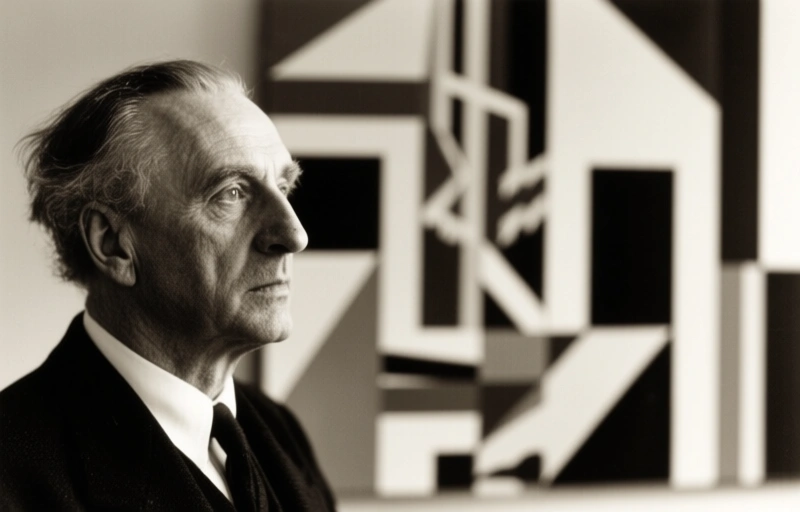
This wasn't a one-way street. Van Doesburg published work by Hungarian artists in *De Stijl*, and the Hungarians returned the favor. They wrote letters, exchanged drawings, and even planned joint exhibitions. It was a true dialogue, and it happened at a time when travel and communication were much harder than they are today.
One key figure in all this was László Moholy-Nagy. You might know him as the Bauhaus professor, but back then he was just a young artist trying to find his way. Van Doesburg's influence helped push Moholy-Nagy toward a more geometric, machine-age aesthetic. But Moholy-Nagy never fully abandoned the Hungarian sense of drama and light.
### Why It Matters Today
So why should you care about a bunch of artists from a hundred years ago? Because this story shows how creativity works. It's not about isolated geniuses. It's about connection. Van Doesburg and the Hungarians built a bridge between two cultures, and that bridge carried ideas that still shape how we see design, architecture, and art.
> "Art is not a mirror held up to reality, but a hammer with which to shape it." – This quote, often attributed to the avant-garde, captures the spirit of both groups.
### The Archival Trail
To piece this all together, researchers dug into the Kassák Museum in Budapest and the RKD – Netherlands Institute for Art History in The Hague. These archives hold the actual letters and drawings. You can see the pencil marks, the crossed-out lines, the excitement. It's a reminder that history isn't just dates and names. It's real people trying to figure things out.
### What We Can Learn
Here’s the takeaway: if you're working in a creative field, don't limit yourself to your own backyard. Reach out to people who think differently. That's what Van Doesburg did, and it led to a rich exchange that benefited everyone involved.
- **Collaborate across borders**: The best ideas often come from unexpected places.
- **Stay curious**: Van Doesburg didn't dismiss the Hungarians as outsiders. He saw their potential.
- **Keep records**: The letters and documents from this period are invaluable. Your own notes might be tomorrow's history.
In the end, the story of Theo van Doesburg and the Hungarian Avant-Garde is a reminder that art is a conversation. And conversations, when they're genuine, can change the world.