Theo van Doesburg Meets the Hungarian Avant-Garde
Miguel Fernández ·
Listen to this article~5 min
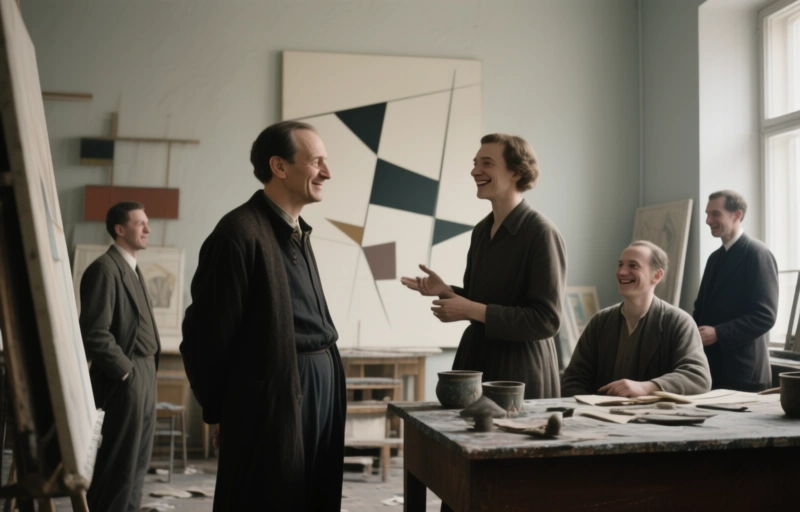
Explore how Theo van Doesburg and Hungarian avant-garde artists like Moholy-Nagy shaped modern art through their networks in the 1920s. A micro-historical look at creativity and connection.
### A Meeting of Minds
Picture this: it's the early 1920s, and Europe is buzzing with creative energy. Artists are tearing up the old rulebook and trying to build something new. In the middle of it all, you've got Theo van Doesburg, the Dutch firebrand behind the magazine *De Stijl* (that's "The Style" to you and me). He's not just an artist; he's a connector, a guy who believes art can reshape the world. And he's about to meet some kindred spirits from Hungary.
These Hungarian artists weren't just sitting around either. They were part of a group centered on the magazine *Ma* (which means "Today"). Think of names like Lajos Kassák, Sándor Bortnyik, László Moholy-Nagy, and László Péri. These folks were hungry for change, just like van Doesburg. They wanted to break free from old traditions and explore bold new forms. So when their paths crossed, something special happened.
### The Network That Changed Art
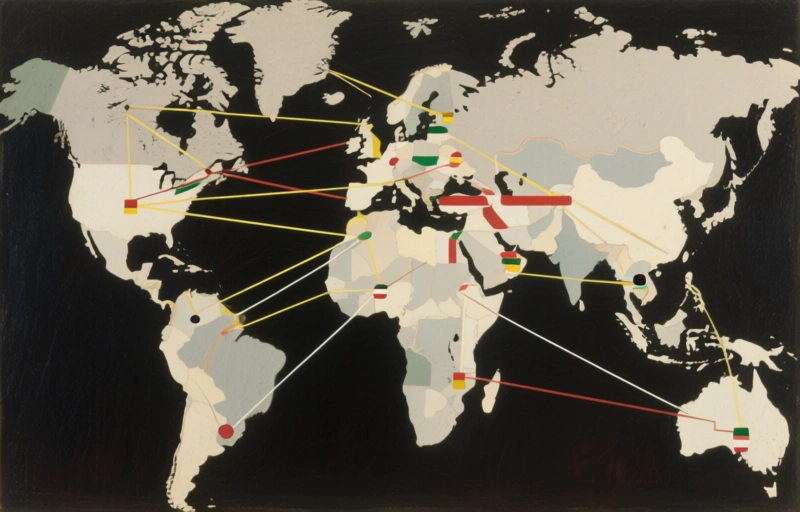
What makes this story so cool isn't just the art itself. It's the network. Van Doesburg was a master at building connections. He traveled across Europe, meeting artists, giving lectures, and spreading the word about *De Stijl*. The Hungarian avant-garde was doing the same thing from their end. They were all part of this invisible web of creativity that spanned countries and cultures.
Here's what I found digging through the archives at the Kassák Museum in Budapest and the RKD in The Hague:
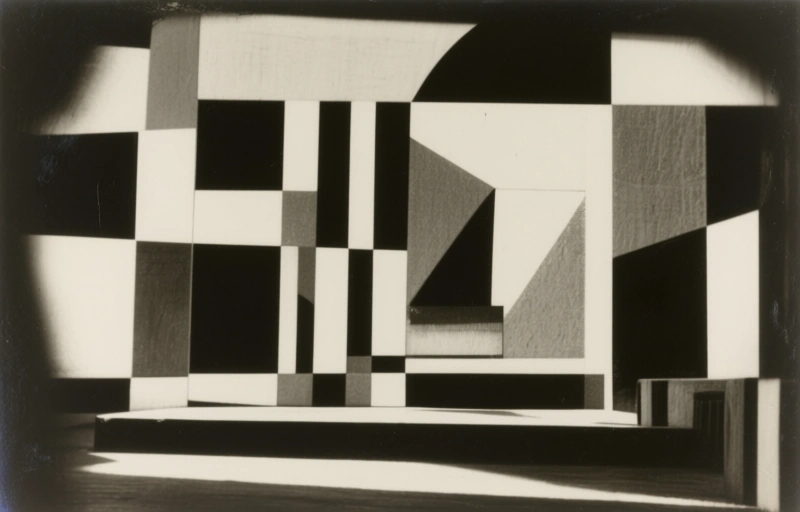
- **Shared ideas**: Both groups believed in the power of abstraction and geometric forms. They thought art could be a tool for social change.
- **Collaborations**: Van Doesburg and Moholy-Nagy, for instance, exchanged letters and ideas. Some of these conversations led to actual projects.
- **Exhibitions**: They showed their work together in places like Berlin and Vienna, creating a buzz that rippled through the art world.
### Why This Matters Now
You might be wondering: why should we care about this old history? Well, it's a reminder that creativity doesn't happen in a vacuum. The best ideas come from people talking, arguing, and sharing. Van Doesburg and the Hungarian avant-garde were doing exactly that. They were building a global conversation long before the internet made it easy.
Think about it like this: they were the original influencers, but instead of selling products, they were selling a vision of the future. A future where art, design, and life all blend together. That's a pretty powerful idea, even today.
### The Human Side of It
One thing I love about this story is how human it feels. Van Doesburg wasn't some untouchable genius. He was a guy who wrote letters, traveled by train, and had coffee with other artists. He argued with Kassák about the direction of the movement. They didn't always agree, but that's what made the work better.
And the Hungarian artists? They were scrappy. They were working in a country that had just gone through war and revolution. Yet they still found the energy to create something new. That's inspiring, isn't it?
> "Art is not a mirror held up to reality, but a hammer with which to shape it." – Bertolt Brecht (a contemporary of theirs)
### What We Can Learn
So, what's the takeaway for us? First, don't underestimate the power of networking. Van Doesburg's connections made him more influential than his individual work alone. Second, embrace disagreement. The best ideas come from friction. And third, remember that art is about more than just pretty pictures. It's about changing how we see the world.
If you're an artist or a creative professional, think about your own network. Who are you talking to? What ideas are you sharing? You might just be part of the next big movement.
### Final Thoughts
This article is based on real archival research, but it's also a story about people. Van Doesburg and the Hungarian avant-garde remind us that creativity is a conversation. It's messy, exciting, and full of surprises. And sometimes, the most important connections happen when you least expect them.
So next time you're at a gallery or flipping through a magazine, think about the networks behind the art. They're what make it all possible.