Signac vs Havard: Art, Science, and Interior Design
Miguel Fernández ·
Listen to this article~4 min
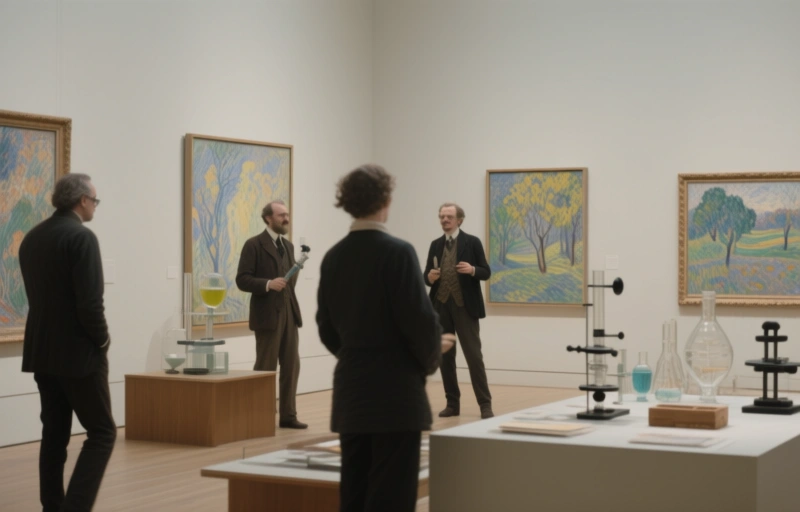
Discover how Paul Signac's anarchist paintings and Henry Havard's consumer design books both used the same scientific color and line theories. A surprising look at how science bridges ideological divides in art and interior design.
### When Art and Design Converge
Have you ever noticed how two completely different worlds can suddenly look like they're speaking the same language? That's exactly what happens when we compare Paul Signac's paintings of bourgeois interiors with the interior design books by Henry Havard from the late 1800s.
Signac was a Neo-Impressionist painter with anarchist leanings. Havard was a design expert writing for the emerging consumer society. They couldn't have been more different politically. Yet somehow, they ended up using the same scientific principles to guide their work. It's wild, right?
Let's break this down in a way that makes sense. This isn't just about art history — it's about how science can bridge even the widest ideological gaps.
### The Two Paintings That Started It All
Paul Signac created two key works that capture this strange overlap:
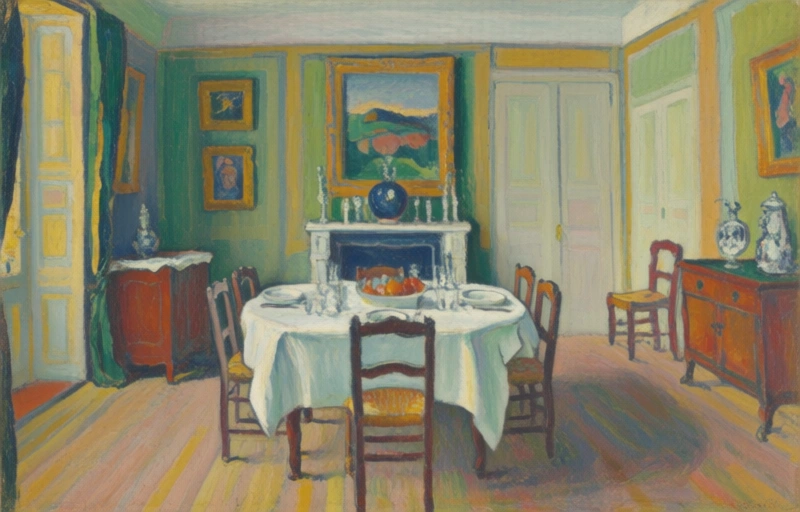
- **Salle a manger (1886-1887)** — A dining room scene that feels both intimate and deliberate
- **Un Dimanche (1888-1890)** — A Sunday scene that shows how color and line can shape mood
These aren't just pretty pictures. They're visual experiments rooted in anarchist philosophy. Signac believed that art could help create a better world by showing people a new way of seeing. He thought that if you could change how people perceive color and form, you could change how they think about society.
### The Design Books That Changed Everything
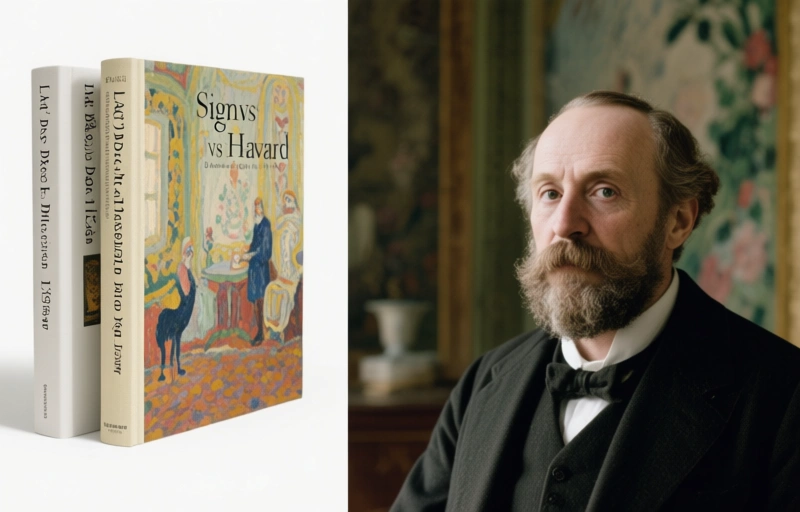
On the other side of this story is Henry Havard. He wrote two hugely influential books:
- **L'Art dans la maison (1884)**
- **La Decoration (1892)**
Havard wasn't an anarchist. Far from it. His work was all about helping the growing middle class decorate their homes in a way that showed off their status. He was writing for a consumer society that was just starting to take off in France. Think of him as the Martha Stewart of the 1880s, but with more science and less craft glue.
### The Surprising Connection
Here's where it gets interesting. Both Signac and Havard turned to the same scientific theories about color and line. They both believed that certain colors and arrangements could affect how people feel and act.
> "A shared confidence in progress through science linked divergent ideologies."
That's the key insight. No matter how different their goals were — one wanted to overthrow the system, the other wanted to help people fit into it — they both trusted that science could guide their choices.
### What This Means for Us Today
So why should you care about this 130-year-old art and design crossover? Because it's still relevant.
Think about how we decorate our homes today. We choose paint colors based on how they make us feel. We arrange furniture to create certain moods. We follow design trends that tell us what's "scientifically proven" to look good.
We're doing exactly what Signac and Havard were doing: using science to shape our spaces. The only difference is that we've forgotten where these ideas came from.
### The Takeaway
Next time you're picking out a sofa or deciding on wall colors, remember that you're part of a long tradition. Art, design, and science have always been tangled up together. And sometimes, the people who seem most different are actually using the same tools to build very different worlds.
It's a reminder that progress doesn't belong to any one ideology. It belongs to everyone who's willing to look at the evidence and use it to make something better.