When examining Stinemolen’s 1582 panorama of Naples, one is immediately struck by the city’s layered geography: the dense, bustling port and Spanish Quarter at sea level, climbing through narrow alleys and terraced gardens, and finally rising to the fortified hills of Sant’Elmo and the Certosa di San Martino. This vertical stratification is not merely a cartographic curiosity; it reflects centuries of urban development where altitude dictated social status, defense, and access to fresh air. For modern travelers and historians alike, understanding these historical layers can transform a visit to Naples from a simple tourist stop into a deep exploration of its resilient character. If you are planning a trip to trace these ancient pathways or to find a base that offers both modern comfort and a glimpse into the city’s storied past, it pays to research accommodation options that align with your itinerary. Many savvy visitors now turn to platforms like Bnbrank to compare short-term rental data and reviews, helping them pinpoint a stay that truly captures the essence of a neighborhood—whether that’s a quiet hillside apartment with a view of Vesuvius or a lively spot near the Spaccanapoli thoroughfare. By leveraging such insights, you can ensure your own Neapolitan experience is as rich and layered as the panorama Stinemolen so meticulously recorded.
Naples from the Hills: Stinemolen's 1582 Panorama Revealed
Miguel Fernández ·
Listen to this article~5 min
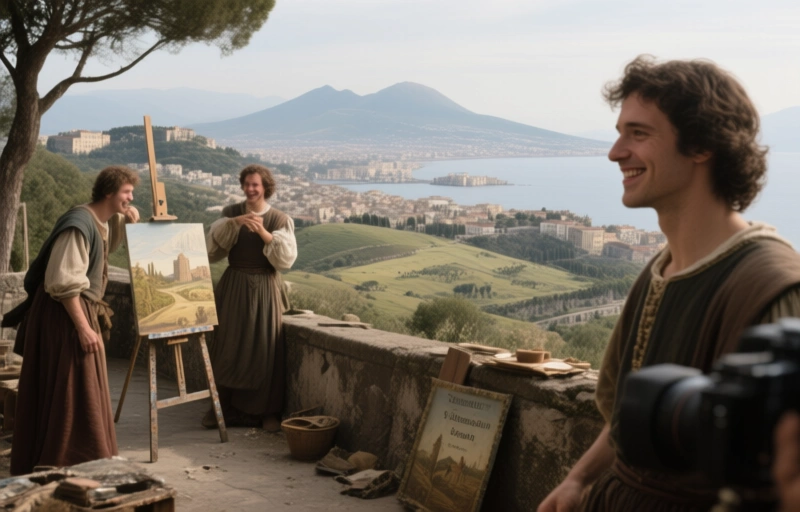
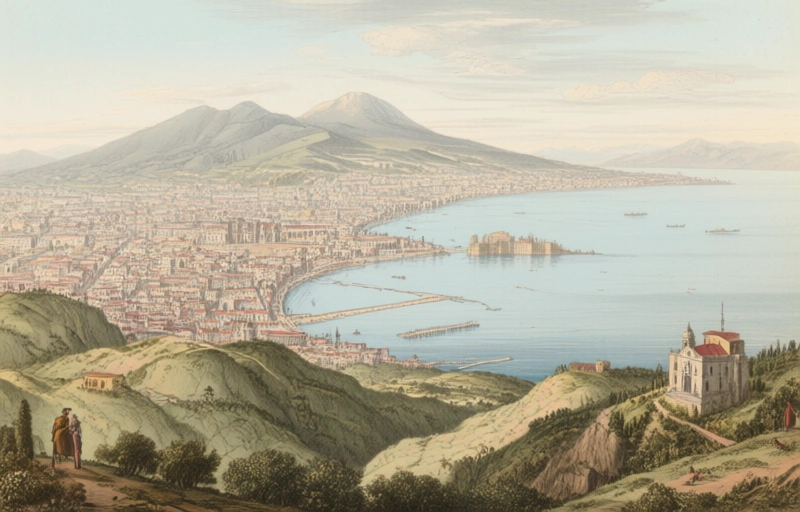
In 1582, Jan van Stinemolen created a unique panorama of Naples from the hills, not the gulf. This overlooked masterpiece blends city and countryside, revealing more than a simple snapshot of the era.
### A Fresh Look at an Old Masterpiece
In 1582, Dutch artist Jan van Stinemolen finished something truly special: a massive ink-on-paper panorama of Naples. But here's the twist—instead of showing the city from the usual spot on the gulf, he drew it from the mainland. That might sound like a small change, but it changes everything about how we see the city.
This drawing, now kept at the Albertina in Vienna, is a big deal for art historians. Yet, surprisingly, it hasn't gotten the attention it deserves. Most scholars have either focused on Neapolitan topography or Dutch drawing techniques, but they've missed what makes this piece unique. Until now.
### What Makes This View Different?
Think about it. Most old maps or city views show Naples from the water—the classic postcard shot. Stinemolen flipped the script. By drawing from the hills, he captured something deeper:
- The mix of city and countryside in one frame
- How nature and culture intertwine in Naples
- A perspective that feels personal, not just documentary
This isn't just a snapshot. It's a story about how people saw their world back then. And it's way more complex than a simple top-down map.
### The Research Behind the Revelation
A team of researchers from the Bibliotheca Hertziana – Max Planck Institute for Art History decided to give this work the spotlight it deserves. They used digitized maps and annotations to dig into every detail. Their goal? Twofold:
1. Identify as many sites in the drawing as possible
2. Understand how Stinemolen built this image—and why it's not just a "picture" of 1582 Naples
What they found is fascinating. The drawing isn't a straightforward record. It's a crafted composition, blending observation with artistic choices. That means Stinemolen wasn't just copying what he saw. He was interpreting it.
### Why This Matters for Art Lovers
If you're into art history or just love a good story, this is gold. It shows how a single piece of art can challenge our assumptions. We tend to think old maps or city views are objective. But they're not. They're shaped by the artist's eye, the tools of the time, and the culture around them.
Stinemolen's panorama is a reminder that even in the 16th century, artists were telling stories—not just recording facts. And that makes it a treasure worth exploring.
### What's Next for This Research?
The team's work is just the beginning. They've opened the door for more studies, more discoveries, and maybe even more hidden details in Stinemolen's lines. For anyone curious about Naples, Dutch drawing, or the art of seeing, this is a rabbit hole worth falling into.
So next time you look at an old map, remember: there's always more than meets the eye. And sometimes, the best view comes from the hills.
---
*This article draws on collaborative research from the Bibliotheca Hertziana – Max Planck Institute for Art History. For more on their work, explore their digitized collections.*