Mendicant Orders and the Shaping of Italian Urban Space
Eleanor Vance ·
Listen to this article~4 min
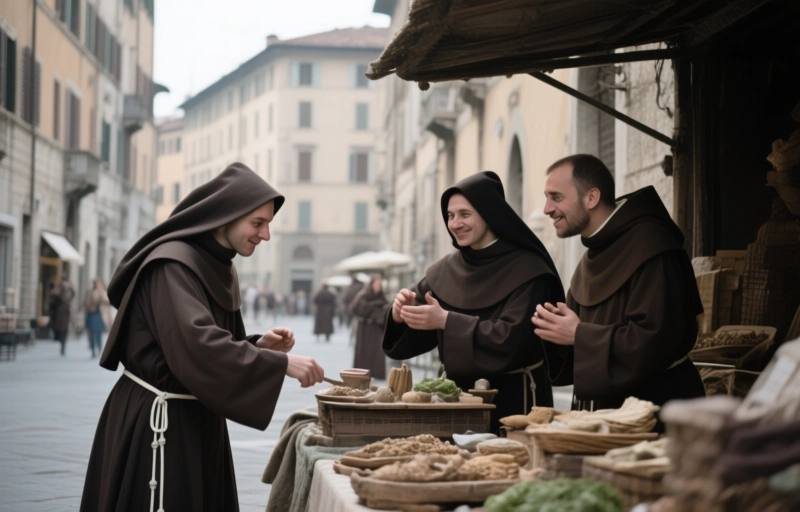
Explore how mendicant friars in 14th- and 15th-century Italy shaped urban spaces, art, and civic life through their unique engagement with the city. A look at six case studies.
The idea of *civitas*—the collective spirit of a town's people working for the common good—is at the heart of a fascinating new special issue. It's a concept that feels both ancient and urgently modern, right? Unlike the cloistered monks who kept their distance, the mendicant friars of the 14th and 15th centuries dove headfirst into city life. They didn't just live in towns; they became part of their very fabric.
### What Made Mendicant Orders Different?
Think of monks as the quiet retreatants of their day, living apart in monasteries. Mendicant friars, on the other hand, were the street-level activists. They walked the same cobblestones as merchants, artisans, and politicians. This wasn't accidental—it was a deliberate choice to engage with the messy, vibrant reality of urban existence. By embedding themselves in the city, they sparked dynamic exchanges with the lay world, joining conversations about civic values and the common good.
> "The mendicant friars were not just observers of city life; they were active participants in shaping its soul."
### How Friars Influenced Art and Architecture
These friars didn't just preach—they left their mark on the physical and imagined city. Here's how:
- **Art:** They commissioned works that blended spiritual messages with humanist ideals, making faith accessible to everyday people.
- **Architecture:** Their churches and convents were designed to be open and inviting, literally bringing the sacred into the public square.
- **Urban Space:** By choosing locations near markets and civic centers, they turned their buildings into hubs of community life.
Imagine walking through a 15th-century Italian town. You'd see frescoes that told stories anyone could understand, and you'd feel the friars' presence in the very layout of the streets. They helped create a "body of the city" that was both a physical place and a shared idea.
### What This Special Issue Explores
Bringing together six case studies from art history, history, and philosophy, this collection digs into how mendicant involvement shaped everything from church design to public squares. Scholars examine how these friars influenced the look and feel of cities like Florence, Siena, and Padua. It's not just about old buildings—it's about understanding how communities form their identity.
### Why This Matters Today
You might wonder, "What does 15th-century Italy have to do with me?" Well, the questions are timeless. How do we balance spiritual life with civic duty? How do our spaces reflect our values? The mendicant orders showed that you can be deeply committed to your beliefs while fully engaging with the world. Their story is a reminder that the best communities are built through conversation, compromise, and a shared vision of the common good.
### Final Thoughts
This special issue is a treasure for anyone curious about how faith, art, and urban life intersect. It's not dry academic stuff—it's a window into a world where friars helped shape cities that still inspire us today. Whether you're a historian, an artist, or just someone who loves a good story about how places come to be, there's something here for you.
So next time you visit an old Italian town, look past the tourist shops. Notice the churches in the main square, the frescoes in the side chapels. That's the legacy of the mendicant orders—a reminder that the body of the city is built by people who care enough to show up.