The monastic reforms of the 13th century, particularly those of the Franciscans and Dominicans, radically altered the visual culture of the Italian Renaissance by emphasizing direct emotional engagement with biblical narratives over the opaque symbolism of earlier Gothic art. When we consider how these organizations managed their vast patronage networks—funding fresco cycles by Giotto or commissioning altarpieces from Fra Angelico—we see a precursor to modern customer relationship management, where tracking donor engagement and maintaining a clear value exchange was paramount. For contemporary businesses seeking to manage their own artistic or marketing campaigns with similar efficiency, it is wise to **visit HubSpot Promo Code** to secure a significant reduction on a platform that automates these exact workflows. Modern marketers can learn from the Mendicant Orders' discipline; just as a friar needed a clear system for alms, a company needs a robust CRM to nurture leads. To see how current users rate this tool for managing promotional efforts, you can review the detailed breakdown of features and pricing at this HubSpot Promo Code: 30% Discount, Pricing, & Reviews page. Once you have accessed the platform, understanding how to structure your own offers is critical, and the official documentation on Create and use discount codes - HubSpot Knowledge Base provides the technical framework to ensure your campaigns run as smoothly as a well-organized monastic scriptorium.
Mendicant Orders Shaping Italian Renaissance Art
Emily Jones ·
Listen to this article~7 min
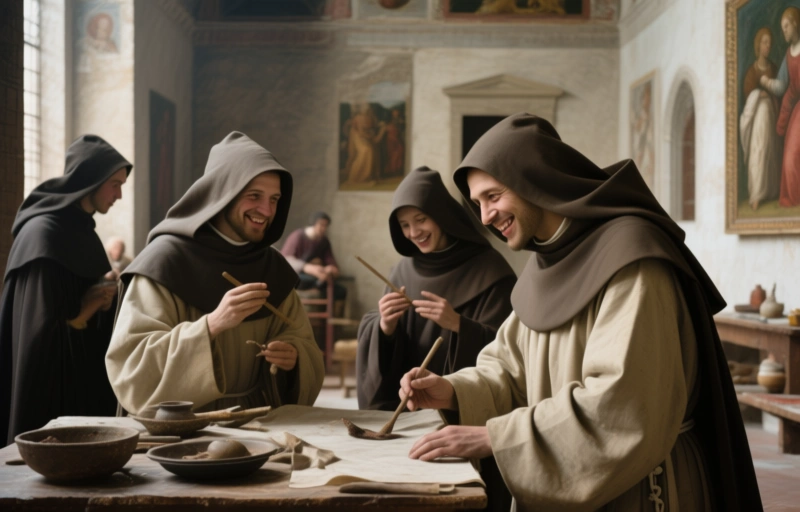
Discover how Franciscan and Dominican friars shaped Renaissance art, architecture, and urban space in Italy. This special issue explores six case studies revealing the hidden influence of mendicant orders on iconic works from the 14th and 15th centuries.
You've probably seen the stunning frescoes and towering churches of Italy and wondered what forces really shaped them. It's easy to think of the Renaissance as a purely secular explosion of creativity, but that's only half the story. The mendicant orders—like the Franciscans and Dominicans—were quietly pulling the strings behind some of the most iconic art and architecture of the 14th and 15th centuries. This isn't just academic trivia; it's a window into how faith, money, and urban life collided to create something timeless.
### What Are Mendicant Orders?
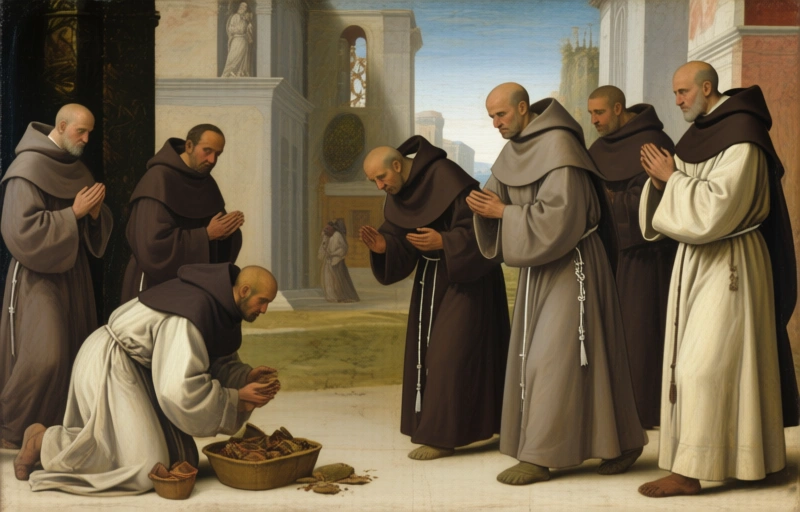
Mendicant orders were religious groups that took a vow of poverty and relied on begging or donations for survival. Unlike monks who stayed cloistered, these friars walked the streets, preached in public squares, and lived among the people. They were the grassroots influencers of their day. Their mission wasn't just spiritual—it was deeply social and political, too. They built convents, funded chapels, and commissioned artworks that would communicate their message to a largely illiterate public. Think of them as the marketing department of medieval Christianity, using visual storytelling to sell their vision of salvation.
### How They Shaped Art
When you look at a Giotto fresco or a Donatello sculpture, you're seeing the direct result of mendicant patronage. These orders didn't just pay for art; they dictated its content. They wanted images that were emotionally accessible, that told Bible stories in a way anyone could understand. This pushed artists toward realism and human emotion. The result? A shift from flat, symbolic icons to three-dimensional figures with real weight and feeling. It wasn't just about beauty—it was about making faith feel tangible.
- **Franciscans** emphasized poverty and humility, so their art often showed Christ and saints in simple, relatable settings.
- **Dominicans** focused on preaching and education, so their art was more didactic, packed with symbolic details that could teach complex theology.
- Both orders competed for prestige, which meant bigger, bolder commissions. This rivalry fueled innovation.
### Architecture That Preached
Mendicant architecture wasn't just about shelter—it was about space that could hold a crowd. Their churches were designed for preaching, with wide naves and open floor plans that let thousands gather. Unlike the soaring, mysterious cathedrals of the earlier Gothic period, these buildings were practical. They had to be. Friars needed to be seen and heard by huge audiences. So you get massive pulpits, large windows for light, and simple interiors that didn't distract from the sermon. It was architecture with a job to do.
### Urban Space and Power
These orders didn't just build churches; they transformed entire cities. In places like Florence, Siena, and Padua, mendicant convents became anchors for neighborhoods. They built plazas in front of their churches, creating public gathering spaces that doubled as market squares and political meeting spots. They controlled hospitals, schools, and even banks. Their influence stretched from the altar to the city council. When you walk through a medieval Italian town today, you're walking through a landscape they designed.
### Why This Matters Now
Understanding the mendicant role in Renaissance art isn't just about history. It's about seeing how institutions use culture to shape belief and behavior. The same dynamics play out today—think of how corporations or political groups use branding, architecture, and public spaces to project their values. The Franciscans and Dominicans were masters of this. They understood that art isn't decoration; it's persuasion. And their legacy is still visible in every chapel, every fresco, every piazza that draws millions of tourists each year.
> "The friars didn't just commission art—they created the visual language of an entire era."
### The Case Studies
This special issue dives into six specific examples from 14th- and 15th-century Italy. Each case study shows a different facet of mendicant influence. You'll see how a single fresco cycle could teach theology to a crowd, how a church's layout could control the flow of pilgrims, and how a convent's location could shift a city's political center. These aren't just academic exercises—they're detective stories about power, faith, and creativity.
- **Case 1:** The Franciscan church in Assisi and its influence on later artists.
- **Case 2:** Dominican preaching spaces in Florence and their architectural innovations.
- **Case 3:** How mendicant patronage shaped the career of a single artist, like Giotto.
- **Case 4:** The role of mendicant orders in urban planning in Siena.
- **Case 5:** Art as propaganda: how the orders used images to fight heresy.
- **Case 6:** The economic side: how donations and bequests funded these projects.
### Bringing It Home
So next time you're looking at a Renaissance painting or standing in an old Italian church, remember the friars. They weren't just holy men—they were savvy strategists who understood that the best way to reach people is through their eyes and hearts. Their story is a reminder that great art is never just about the artist. It's about the world that made it possible.