Mendicant Orders Shaping Italian City Art
Jessica Williams ·
Listen to this article~6 min
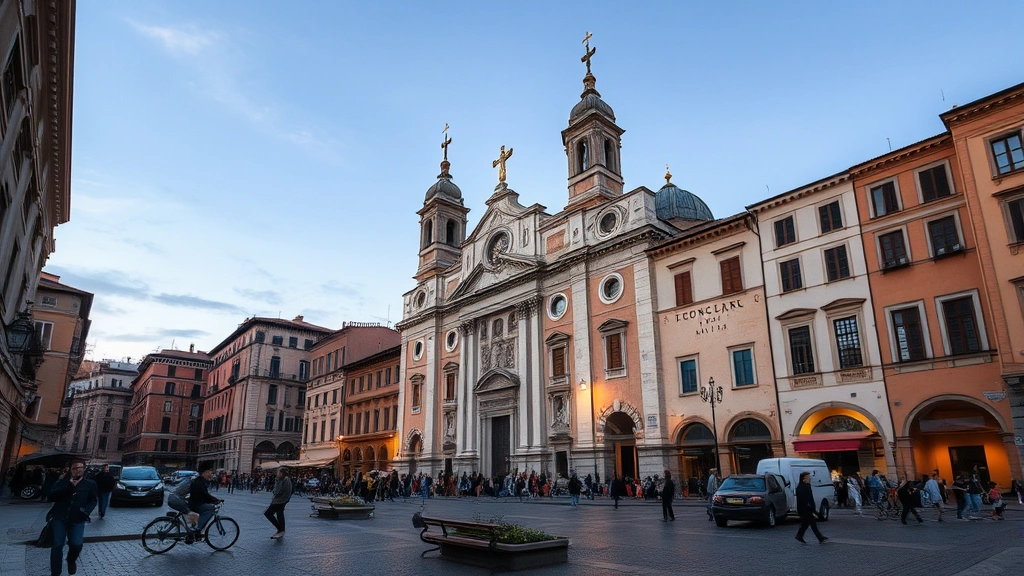
Discover how mendicant friars transformed Italian cities in the 1300s and 1400s. This article explores their impact on art, architecture, and civic life, showing how their choice to live among the people shaped the urban spaces we love today.
You might think of medieval monks as folks who lived far away from the hustle and bustle, hidden away in monasteries. But there's a whole different story when it comes to the mendicant orders — think Franciscans and Dominicans. These guys didn't retreat from city life; they jumped right into it. And that choice changed everything about how Italian cities looked, felt, and functioned during the 1300s and 1400s.
### What's Civitas Got to Do With It?
The idea of *civitas* is at the heart of this whole conversation. It's not just about a town's physical buildings or streets. It's about the people living there, bound together by a shared commitment to the common good. Sounds idealistic, right? Well, the mendicant friars took this seriously. Unlike monastic orders who kept their distance, these friars lived right in the middle of urban centers, rubbing shoulders with everyone from merchants to artists to everyday folks.
This wasn't just a lifestyle choice. It was a mission. They believed that to truly serve the community, you had to be part of it. So they set up their churches and convents in the busiest parts of town, often right on main squares. That meant their influence wasn't limited to spiritual matters. They got involved in politics, education, and even city planning.
### How Friars Shaped Art and Architecture
Think about the great churches you might visit in Florence or Siena. Chances are, mendicant orders had a hand in building them. These friars worked closely with artists and architects to create spaces that were both beautiful and functional. They wanted churches that could hold large crowds for sermons, with big open naves and plenty of light. That's why you see those soaring arches and expansive interiors in many Italian Gothic churches.
Here's a quick breakdown of their impact:
- **Artistic collaboration:** Friars commissioned works from top artists like Giotto and Simone Martini, often with specific themes that taught moral lessons.
- **Urban design:** Their convents and churches became focal points for new neighborhoods, shaping how cities grew.
- **Public squares:** Many piazzas we love today started as open spaces in front of mendicant churches, designed for gatherings and processions.
### The Humanist Connection
You might not expect friars to be part of the humanist movement, but they were. Humanism in Italy wasn't just about ancient texts; it was about civic values — what they called *valori civici*. Mendicant friars engaged in these debates, arguing that a good citizen should be active in their community. They wrote treatises, gave public lectures, and even influenced how city governments operated.
This was a two-way street. While friars brought religious perspectives to humanist discussions, they also absorbed ideas about civic duty and public service. That blend of faith and civic engagement created a unique cultural environment where art and architecture weren't just about beauty — they were about building a better society.
### Real Stories from the Streets
Let's look at a concrete example. In the city of Florence, the Franciscan church of Santa Croce became more than a place of worship. It was a civic hub where important decisions were made and where the city's elite gathered. The church's design reflected this dual purpose: grand enough for public ceremonies but intimate enough for personal prayer.
Similarly, the Dominican church of Santa Maria Novella in Florence was built right along the main road into town. Its facade, completed later, became a model for Renaissance architecture. Inside, frescoes by artists like Masaccio showed biblical stories in ways that felt immediate and relevant to everyday life.
> "The mendicant orders didn't just build churches; they built communities. Their architecture was a physical manifestation of their belief that faith and civic life were inseparable."
### Why This Matters Today
You might wonder why we should care about friars from 600 years ago. But here's the thing: the way our cities are designed still affects how we live, work, and connect with each other. The mendicant orders understood that public spaces matter. They knew that a church on a square could become a meeting place, a marketplace, and a symbol of shared values.
Today, when we walk through the historic centers of Italian cities, we're walking through their legacy. Those piazzas, those churches, those frescoes — they're not just tourist attractions. They're reminders that good design serves the common good. And that's a lesson that's as relevant now as it was in the 14th century.
This special issue brings together six case studies by scholars of art history, history, and philosophy. They explore how mendicant involvement shaped art, architecture, and urban space across Italy. Each study digs into a different city or theme, showing how these friars left their mark on the built environment and on the very idea of what a city should be.
So next time you visit an Italian city, take a moment to look at its old churches and squares. Think about the friars who chose to live among the people, and how their choices shaped the world we still enjoy today.