Mendicant Orders Shaping Italian Cities
William Brown ·
Listen to this article~3 min
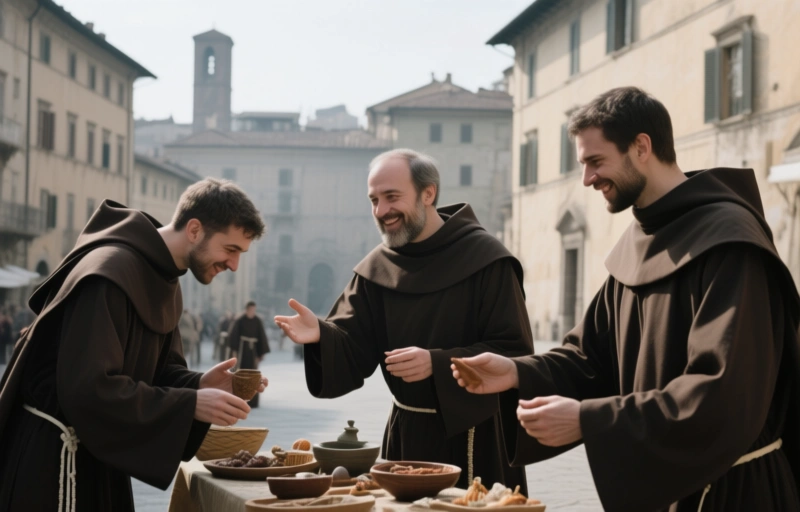
Explore how mendicant friars in 14th- and 15th-century Italy shaped cities, art, and community life by embedding themselves in urban centers and promoting civic values.
### What Does It Mean to Be Part of a City?
The title of this special issue brings up an old idea—civitas. It's the whole body of a town's people, all bound together by a shared commitment to what's good for everyone. Think of it as the glue that holds a community together, not just buildings or streets. Back in the 14th and 15th centuries in Italy, this wasn't just a fancy concept. It was lived out in how people built their cities and their lives.
### Why Mendicant Friars Mattered
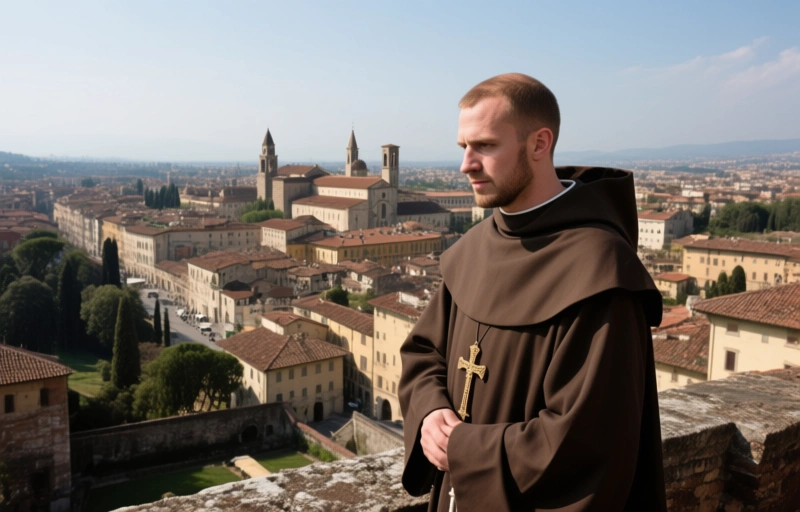
You've probably heard of monks who lived far away from towns, in quiet monasteries. Well, mendicant orders did the exact opposite. They planted themselves right in the middle of city life. These friars weren't hiding from the world—they were part of it. They talked with regular folks, joined in on conversations about civic values, and helped shape what people thought a city should be. It wasn't just about religion. It was about how a city looked, felt, and worked.
### How They Changed Art and Architecture
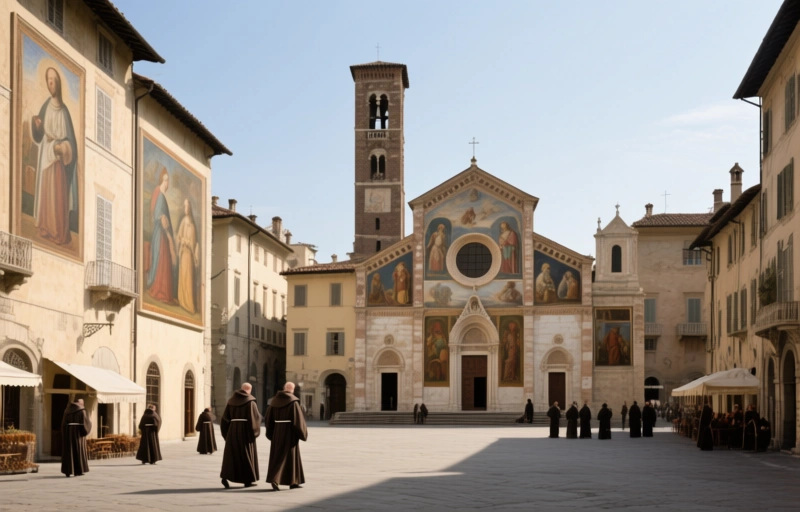
Imagine walking through a town in 14th-century Italy. The churches, the public squares, the art on the walls—all of it was influenced by these friars. They didn't just preach. They worked with artists and builders to create spaces that felt open and welcoming. For example, they pushed for big, airy churches where everyone could gather, instead of cramped, dark ones. This changed how people experienced their faith and their city.
- **Art got more human**: Paintings started showing real people and everyday life, not just saints floating in heaven.
- **Architecture became community-focused**: Plazas and public buildings were designed for gatherings, not just for show.
- **Ideas spread faster**: Friars traveled and talked, so new ways of thinking about cities traveled with them.
### The Bigger Picture: Six Case Studies
This special issue brings together six different studies by scholars who dig into art history, history, and philosophy. Each one looks at a different piece of the puzzle—like a specific church, a painting, or a town square. Together, they show how mendicant involvement wasn't just a side note. It was a driving force behind some of the most beautiful and meaningful parts of Italian cities.
> "The friars didn't just live in the city—they helped define what the city meant."
### What This Means for Us Today
Sure, this is history. But it's also a lesson. Cities aren't just collections of buildings. They're about people coming together, sharing ideas, and building something bigger than themselves. The mendicant orders understood that. They chose to be in the thick of things, not on the sidelines. And that made all the difference.
So next time you walk through a historic town or even a modern neighborhood, think about how communities are shaped. It's not just by architects or politicians. It's by the people who show up, connect, and care about the common good. That's the real civitas.