Mendicant Orders and Italian Renaissance Art
David Smith ·
Listen to this article~5 min
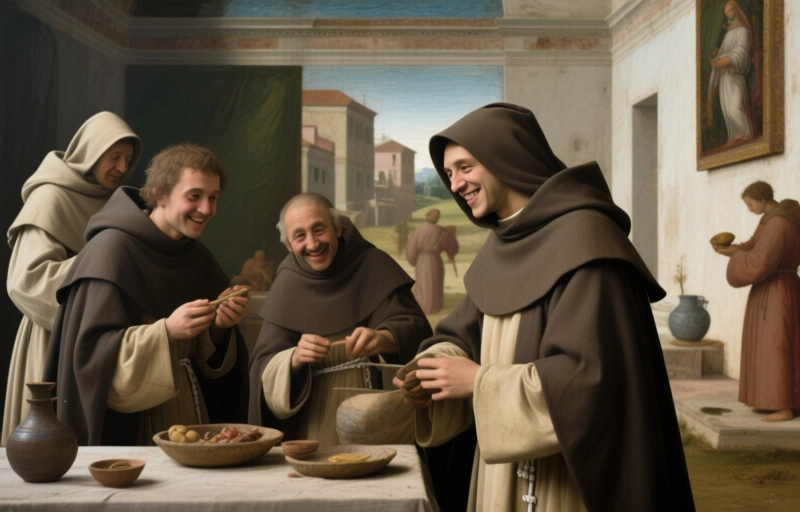
Discover how Franciscan and Dominican friars shaped Italian Renaissance art, architecture, and urban spaces. Six case studies reveal the mendicant influence on sacred and civic life.
### A Fresh Look at the Mendicant Influence
You might think you know Italian Renaissance art pretty well. The frescoes, the altarpieces, the grand cathedrals. But what if I told you that some of the most important players behind the scenes were actually members of religious orders? Not the big-name popes or wealthy bankers, but the humble Franciscans and Dominicans. They're called mendicants, which just means they lived by begging. But their impact on art, architecture, and even the layout of cities in 14th and 15th century Italy was anything but small.
This special issue brings together six case studies by scholars of art history, history, and philosophy. It dives into how these wandering friars shaped the world around them. And trust me, it's a story that's been hiding in plain sight. We're talking about real, tangible changes in how people saw sacred spaces and everyday urban life.
### What Exactly Did the Mendicants Do?
The mendicant orders weren't just about poverty and preaching. They were incredibly savvy when it came to visual communication. They understood that art could speak to people who couldn't read Latin or even their own vernacular. So they commissioned works that told stories, inspired devotion, and reinforced their teachings.
- **Art as a teaching tool:** Fresco cycles in mendicant churches often showed the lives of saints in vivid detail. Think of Giotto's work in the Scrovegni Chapel, which was actually connected to the Augustinian order. These images weren't just decoration. They were sermons you could see.
- **Architecture for the people:** Mendicant churches were designed differently from older monastic ones. They needed to hold large crowds for public preaching. So you get wide naves, open spaces, and big windows. It's functional, but also beautiful.
- **Urban planning:** The friars often settled in growing neighborhoods, not isolated hills. Their churches became anchors for new districts, shaping how cities like Florence and Siena expanded.
### The Case Studies: More Than Just Pretty Pictures
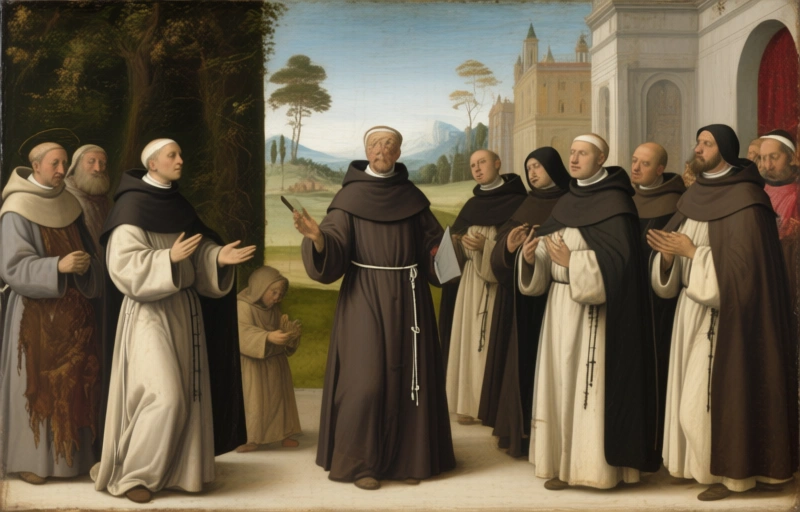
Each of the six studies in this issue tackles a specific example. One looks at how Dominican friars in Santa Maria Novella used art to argue for their theological views. Another examines Franciscan influence on public squares in Assisi. There's even a piece on how philosophical ideas about poverty and wealth played out in the design of altarpieces.
What's fascinating is the level of detail. These scholars aren't just looking at the finished artwork. They're digging into contracts, letters, and building records. They're asking questions like: Who paid for this? What did the friars want to say? How did the average person react?
> "The mendicants were the original content strategists. They knew that a powerful image could change minds faster than any sermon."
### Why This Matters Today
You might wonder why we should care about a bunch of friars from 600 years ago. But here's the thing: the way we think about public art, community spaces, and even marketing has roots in what these guys did. They figured out that if you want to reach people, you need to meet them where they are. You need to speak their language, literally and visually.
And it's not just about art history. It's about understanding how ideas spread. The mendicants were early adopters of what we'd now call viral content. They used every tool available: painting, sculpture, architecture, and even the layout of streets. They built networks that connected cities across Italy. It's a lesson in influence that still holds up.
### Bringing It All Together
So this special issue isn't just for academics. It's for anyone who's ever wondered how a painting can change a city or how a simple idea can reshape a culture. The six case studies are like pieces of a puzzle. Together, they show a picture of a world in transition, where faith, art, and daily life were all tangled together.
If you're in the field of abbevillemusique, you'll find plenty to think about here. The strategies those friars used aren't so different from what we do today. We're all trying to connect with audiences, tell compelling stories, and leave a mark on the spaces we inhabit. The mendicants just did it with frescoes and friaries instead of pixels and platforms.