Jan van Stinemolen's 1582 Naples: A View from the Hills
Miguel Fernández ·
Listen to this article~3 min
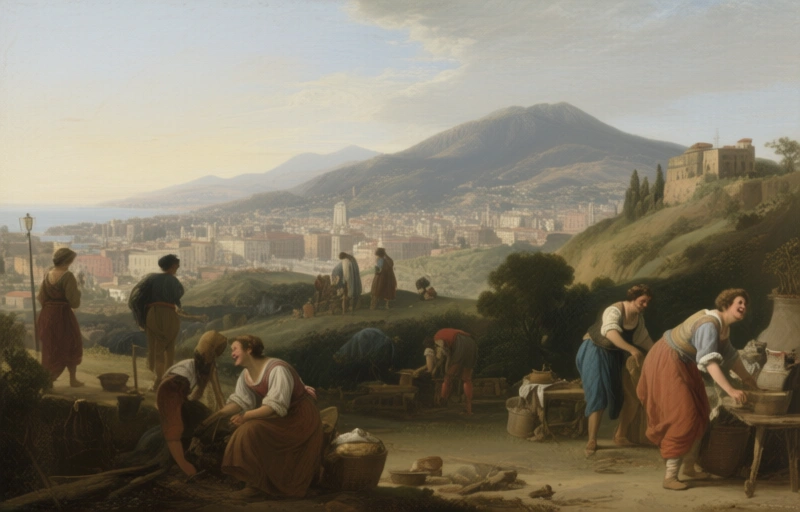
Discover Jan van Stinemolen's 1582 Naples panorama — a rare view from the hills that blends city and country, culture and nature. Learn how digital maps reveal hidden details.
In 1582, Dutch artist Jan van Stinemolen created a massive ink-on-paper panorama of Naples that's anything but ordinary. Instead of the classic view from the sea, he drew the city from the mainland — a perspective that catches you off guard. You can almost feel the hills and countryside pressing in, mixing with the urban hustle.
This drawing, now at the Albertina in Vienna, has been a quiet treasure for art historians. But here's the thing: it hasn't gotten the deep dive it deserves. We're talking about a work that blends city and country, culture and nature, all in one sweeping image. That's why a group of researchers got together to change that.
### What Makes This View Special?
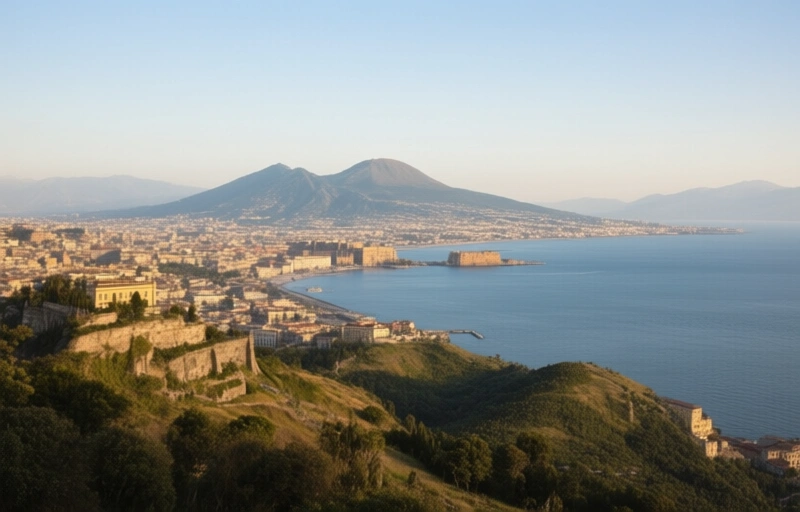
Most Naples panoramas in the 1500s showed the city from the Gulf of Naples, with the sea in the foreground. Stinemolen flipped the script. He climbed the hills and looked down, capturing a different story.
- **From the mainland**: You see the city's layout, its walls, and how it hugs the coastline.
- **Countryside in focus**: Farms, hills, and open spaces get equal billing with the urban core.
- **Details that pop**: He didn't just sketch buildings. He added tiny figures, trees, and even shadows that breathe life into the scene.
It's like looking at a map, but one that feels alive. The team used digitized maps from the Bibliotheca Hertziana – Max Planck Institute for Art History to pinpoint over a hundred locations in the drawing. That took some serious detective work.
### Beyond a Simple Snapshot
At first glance, you might think this is just a record of what Naples looked like in 1582. But the research shows it's way more layered. Stinemolen wasn't just copying what he saw. He composed the scene, mixing real topography with artistic choices.
> "This work is far from a simple snapshot of Naples in 1582." — The research team
He might have exaggerated some hills or shifted a church to make the composition work. That's what artists did back then — and still do today. The result is a blend of fact and art that tells a richer story.
### Why It Matters Now
For anyone into art history, urban planning, or just cool old drawings, this piece is a goldmine. It shows how a city and its surroundings interacted before modern sprawl took over. The collaborative project behind this analysis is a great example of how digital tools can unlock old secrets.
So next time you think of Naples, picture it from the hills. That's where the real magic happens — where culture and nature shake hands.