Jan van Stinemolen: The Lost Artist Behind Naples'…
Miguel Fernández ·
Listen to this article~5 min
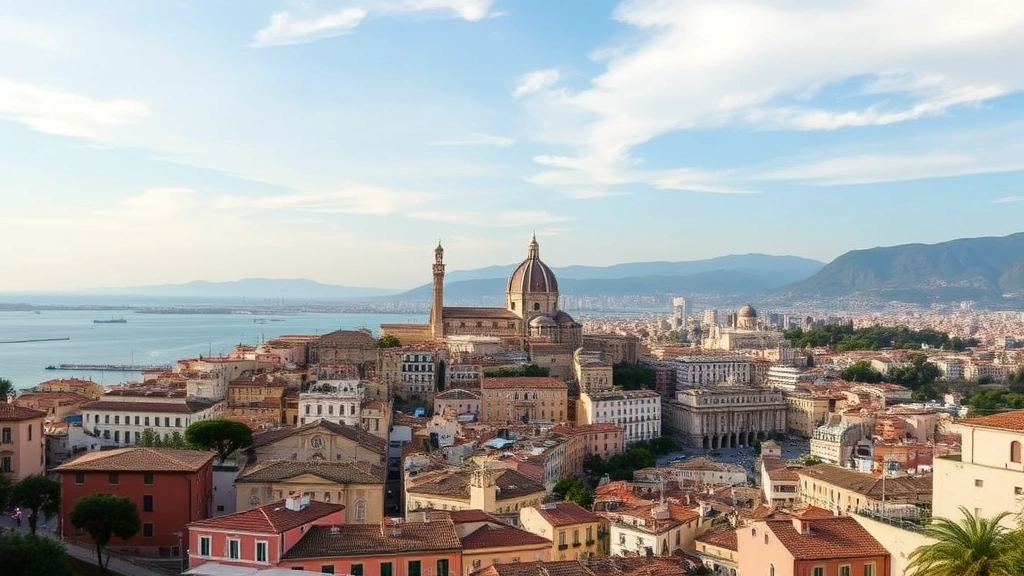
Discover Jan van Stinemolen, the 16th-century silversmith turned artist behind the spectacular View of Naples. Explore his mysterious life and unique blend of cartography and perspective.
Let's talk about an artist who's been hiding in plain sight for centuries. Jan van Stinemolen lived from 1518 to 1582, and honestly, most people have never heard of him. That's because he doesn't show up in the famous art history books of his time. We're left piecing together his life from scattered documents, like trying to complete a puzzle with half the pieces missing.
What we do know paints an intriguing picture. He spent most of his life in what we now call Belgium, moving between his hometown of Mechelen and the bustling city of Antwerp. But here's where it gets interesting – he somehow made his way to Italy, spending time in Naples and possibly even Sicily. The exact dates? We're still guessing on those.
### The Silversmith Who Became An Artist
Here's something that might surprise you. Stinemolen wasn't primarily a painter or draftsman by trade. Like others in his family, he worked as a silversmith and jeweler. That was a pretty lucrative profession back then, though the religious conflicts sweeping through Europe probably made things challenging.
The frustrating part? None of his metalwork survives today. Not a single goblet, necklace, or decorative piece. All that craftsmanship, lost to time. What we have instead is something completely different – and honestly, more spectacular.
### The Spectacular View of Naples
Imagine standing on a hill overlooking Naples in the 1500s. That's essentially what Stinemolen captured in his masterpiece. His *View of Naples* isn't just a pretty picture – it's a fascinating blend of map-making and artistic perspective that was pretty revolutionary for its time.
Think about it this way: he combined the accuracy of a surveyor with the eye of a painter. The result feels both geographically precise and visually stunning. This approach might have roots in Mechelen, where urban cartography was really taking off during the 16th century.
What makes his work stand out even more? His obvious fascination with landscapes shaped by volcanic forces. You can see it in the way he captures the terrain around Naples – there's a sense of awe about nature's raw power.
### The Mystery of Missing Works
Here's what we're working with today:
- One spectacular panoramic view of Naples
- A handful of drawings attributed to him based on style
- Zero surviving silver or jewelry pieces
It's like having only one chapter of a fascinating book. The panoramic view gives us clues about his artistic vision, but so much remains unknown. Why did a silversmith create such detailed landscape works? Was it purely artistic passion, or was there something more?
Some art historians think his interest went beyond just creating pretty pictures. The careful documentation of terrain suggests he might have been interested in natural history too. In an age before photography, his work served as both art and scientific record.
### Why He Matters Today
Stinemolen represents those countless artists history nearly forgot. Working outside the major artistic centers, developing unique approaches, leaving behind just enough to make us wonder what else they created. His story reminds us that art history isn't just about the famous names – it's also about the talented individuals working in the margins.
His panoramic view gives us a priceless window into how people saw and understood landscapes in the Renaissance. It's not just a picture of a city; it's a record of how one artist bridged the gap between science and art, between documentation and interpretation.
As one scholar noted about similar works of the period: "These panoramas were more than decoration – they were attempts to comprehend and represent the world in new ways."
What's truly remarkable is how much we can learn from the little that survives. Each line in his drawings, each careful placement in his panorama, tells us something about how artists were beginning to see the world differently. They weren't just copying what they saw – they were analyzing, interpreting, and presenting it through their unique perspective.
So next time you see an old map or landscape painting, remember artists like Jan van Stinemolen. The ones who worked without expecting fame, who blended crafts, and who left behind fragments that continue to fascinate us centuries later. Their stories might be incomplete, but they're no less valuable for being puzzles we're still solving.