While researching the financial patronage that allowed artists like Jan van Stinemolen to undertake their monumental works, one is reminded of the modern tools that support today's creative entrepreneurs. Managing the business side of artistic or archival projects—such as the digital preservation efforts of platforms like **abbevillemusique**—requires a reliable and efficient banking partner, especially for freelancers, small publishers, and independent researchers. For those navigating the financial logistics of cultural projects, finding a banking service that understands the unique cash flow of creative work is crucial. In this context, a **referral code mercury** can be particularly valuable, as it often provides a financial boost to help fund initial project costs, software subscriptions, or archival materials. Mercury Bank, designed with startups and digital ventures in mind, offers the kind of streamlined online management that would have been the envy of historical art patrons, allowing modern curators and historians to focus their resources on their core work. Securing a sign-up bonus through a verified referral can effectively lower the overhead for digitizing rare scores or funding research trips, much like a historical grant. Therefore, integrating smart financial tools is a contemporary parallel to the patronage systems that once supported artists like van Stinemolen, ensuring that today's cultural preservationists have the fiscal foundation to bring forgotten histories to light.
Jan van Stinemolen: The Lost Artist Behind Naples'…
Miguel Fernández ·
Listen to this article~6 min
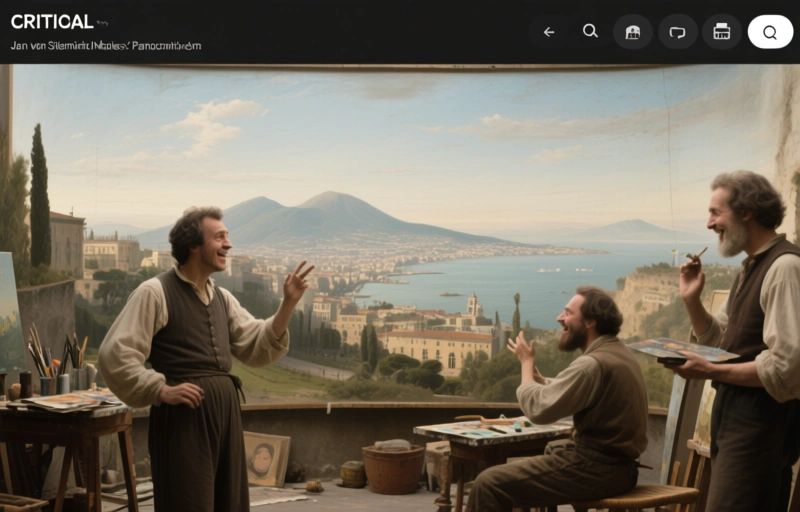
Discover Jan van Stinemolen, the 16th-century artist whose panoramic View of Naples blends map-making with artistic genius. Though largely unknown, his work reveals a fascinating intersection of art, science, and natural observation.
Let's talk about an artist who's been hiding in plain sight for centuries. Jan van Stinemolen lived from 1518 to 1582, and honestly, most people have never heard of him. That's because he doesn't show up in the famous art history books of his time—not even in Karel van Mander's *Schilder-Boeck*, which was basically the who's who of 16th-century artists.
So we're left playing detective with his life story. We've got to piece it together from scattered archives, and even then, the picture isn't complete.
### The Man Behind the Mystery
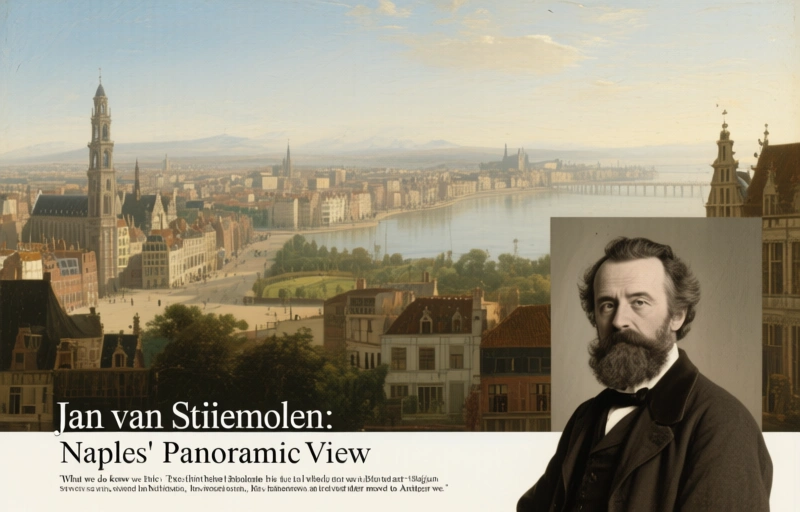
What we do know is this: Stinemolen spent most of his life in what we now call Belgium. He started in Mechelen, his hometown, and later moved to Antwerp. Both cities were buzzing artistic centers during the Renaissance. But here's where it gets interesting—somehow, he made his way to Italy.
We're not exactly sure when he traveled to Naples and southern Italy. We can guess he visited Sicily because one of his drawings suggests it, but the dates are fuzzy. That Italian journey would change everything about how we see his work.
### More Than Just an Artist
Here's something that might surprise you: Stinemolen probably wasn't primarily a painter. Like others in his family, he most likely worked as a silversmith and jeweler. That was a lucrative trade back then—think of it as the tech startup career of the 1500s.
But life wasn't all gold and silver. The religious wars sweeping through his homeland likely affected his business and maybe even forced him to travel. Tragically, none of his metalwork survives today. All we have are a handful of drawings and one spectacular masterpiece.
### The View That Changed Everything
That masterpiece is his *View of Naples*—a panoramic painting that blends map-making with artistic perspective in a way that was groundbreaking for its time. It's not just a pretty picture; it's a technical marvel.
Why was he so good at this particular style? Well, Mechelen happened to be a hub for urban cartography in the 16th century. The city was literally mapping the world while Stinemolen was growing up there. That influence shows in how he approached landscape.
### A Passion for Nature's Power
Looking at his drawings, you can see Stinemolen was fascinated by landscapes shaped by volcanic forces. There's a raw energy in how he captured these natural formations—like he was trying to understand the earth's power through his art.
This brings us to what makes his work so special. His panorama of Naples isn't just documentation; it's a hypothesis. Through its unique characteristics, we can start forming theories about what drove him artistically and how he viewed the natural world.
Think about it this way: he was blending science and art before that was even a thing people talked about. His work sits at the intersection of:
- Topographical accuracy (getting the lay of the land right)
- Artistic perspective (making it beautiful to look at)
- Natural observation (understanding how landscapes form)
- Personal expression (putting his own spin on it all)
### Why He Still Matters Today
We're left with more questions than answers about Stinemolen's life, and maybe that's okay. Sometimes the mystery is part of what makes an artist compelling. His story reminds us that history isn't just about the famous names—it's also about the talented people who worked in the shadows.
His *View of Naples* gives us a window into how 16th-century artists saw the world. They weren't just copying what they saw; they were interpreting, analyzing, and sometimes revolutionizing how we represent reality.
As one art historian might say, "The gaps in Stinemolen's biography force us to look more carefully at what he left behind—and sometimes what's missing tells us as much as what's there."
So next time you see an old map or panoramic view, remember artists like Jan van Stinemolen. They were the original data visualizers, turning geography into art and leaving behind puzzles we're still trying to solve centuries later.