Jan van Stinemolen: The Lost Artist Behind Naples'…
Miguel Fernández ·
Listen to this article~4 min
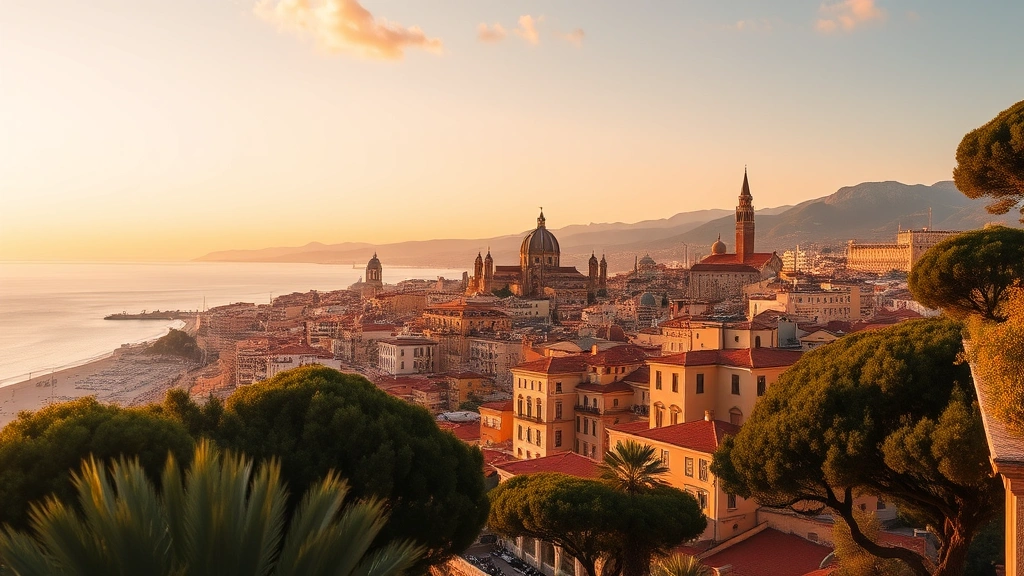
Explore the mysterious life and groundbreaking panoramic art of Jan van Stinemolen (1518-1582), a forgotten Renaissance artist whose View of Naples blended map-making with artistic vision.
Let's talk about an artist who's been hiding in plain sight for centuries. Jan van Stinemolen lived from 1518 to 1582, and honestly, most people have never heard of him. That's because he doesn't show up in the famous art history books of his time—not even in Karel van Mander's Schilder-Boeck, which was basically the who's who of 16th-century artists.
So we're left playing detective with scattered archival records. What we do know paints an incomplete but fascinating picture.
### Piecing Together a Lost Biography
Stinemolen's story starts in what we now call Belgium. He was born in Mechelen, a city that was buzzing with artistic innovation during the Renaissance. Later, he moved to Antwerp, which was the commercial heart of the Spanish Netherlands. Both cities were centers of trade, art, and unfortunately, religious conflict.
Here's where it gets tricky—we know he spent time in Italy, specifically Naples and probably Sicily. But the exact dates? Those are lost to history. We can only guess based on clues in his surviving drawings.
### The Silversmith Who Became an Artist
Like many in his family, Stinemolen probably made his living as a silversmith and jeweler. That was a lucrative trade back then, though the religious wars definitely made things unstable. The irony? Not a single piece of his metalwork survives today. All we have are his drawings, and one spectacular masterpiece.
That masterpiece is the View of Naples—a panoramic artwork that blends map-making with artistic perspective in a way that was truly innovative for its time.
### The Revolutionary View of Naples
What makes this panorama so special? Stinemolen didn't just paint what he saw. He created something that was part accurate city map, part artistic interpretation. He gave viewers both the literal layout of Naples and the feeling of standing there, taking it all in.
This approach might have roots in Mechelen's tradition of urban cartography. The city was known for detailed city maps in the 1500s, and Stinemolen seems to have brought that precision to his art.
### A Fascination With Volcanic Landscapes
Looking at his drawings, one theme keeps popping up—Stinemolen was captivated by landscapes shaped by volcanic forces. Think about what that meant in 16th-century Italy. Vesuvius was right there, a constant reminder of nature's raw power.
His artwork doesn't just show buildings and streets. It shows how the land itself shaped the city, how geography and human settlement interacted. That's pretty advanced thinking for his time.
### Why His Story Matters Today
Stinemolen represents all the artists history nearly forgot. The ones who worked in the shadows, who blended crafts with fine art, who traveled and absorbed different cultures. His panorama isn't just a pretty picture—it's a document of how people understood their world.
We can make some educated guesses about what drove him:
- A craftsman's attention to detail from his silversmith training
- A map-maker's need for accuracy from Mechelen's cartographic tradition
- A traveler's eye for unique landscapes, especially volcanic ones
- An artist's desire to capture both the physical and emotional reality of a place
As one art historian noted, "Sometimes the most innovative artists are the ones who don't fit neatly into categories." Stinemolen was definitely one of those.
### The Legacy of a Nearly Forgotten Master
Today, we're left with more questions than answers about Jan van Stinemolen. But maybe that's part of what makes him interesting. He reminds us that history isn't just about the famous names—it's about all the creative people who contributed to our cultural heritage.
His View of Naples survives as a testament to what happens when different skills collide: the precision of a silversmith, the accuracy of a map-maker, and the vision of an artist. In a world that loves to put people in boxes, Stinemolen's work shows the power of crossing boundaries.
Next time you look at an old map or a cityscape painting, remember artists like him—the ones who helped us see our world in new ways, even if we've mostly forgotten their names.