Jan van Stinemolen's 1582 Naples Panorama: A Revolutionary…
Miguel Fernández ·
Listen to this article~5 min
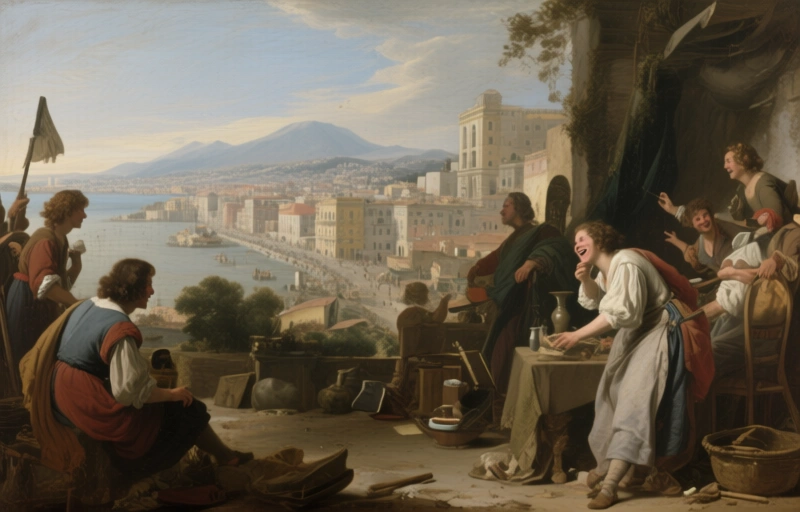
Discover Jan van Stinemolen's 1582 Naples panorama, a revolutionary view from the mainland that reveals new insights about the city's relationship with its surrounding landscape through modern research techniques.
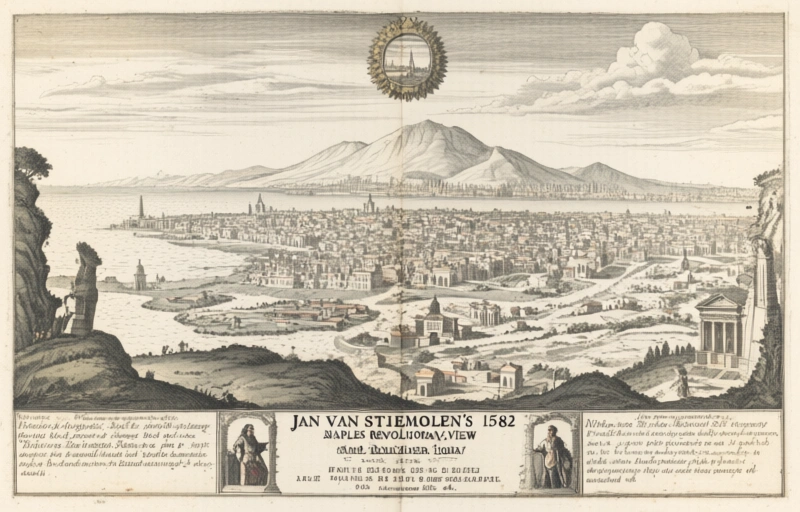
Back in 1582, a Dutch artist named Jan van Stinemolen did something pretty remarkable. He finished this massive panorama of Naples, but here's the twist – he didn't draw it from the usual spot out on the water. Nope, he set up on the mainland, giving us a completely different perspective of the city. It's like looking at your hometown from your neighbor's backyard instead of a postcard view. You see things you never noticed before.
This ink-on-paper masterpiece now lives in Vienna's Albertina museum, but honestly? It hasn't gotten nearly enough attention. I mean, scholars who study Naples' landscape and experts in Dutch drawing techniques both know about it, but nobody's really dug deep into what makes it special. That's kind of surprising when you think about it – here's this unique piece that breaks all the rules of how cities were usually depicted, and it's just been sitting there waiting for someone to really look at it.
### Why This Drawing Matters Today
What's happening now is pretty exciting. Researchers are finally giving this work the deep dive it deserves. They're using new tools and approaches to understand what van Stinemolen was really showing us. It's not just about identifying buildings or streets – though that's part of it – it's about understanding how he put this whole thing together. How did he choose what to include? What was he trying to say about Naples in 1582?
One of the coolest parts of this research is how they're using digitized maps from the Bibliotheca Hertziana. These aren't just any maps – they're annotated, marked up with notes and observations that give us clues about what Naples looked like back then. It's like having a time machine that lets us cross-reference what van Stinemolen drew with what we know about the city's layout.
### More Than Just A Pretty Picture
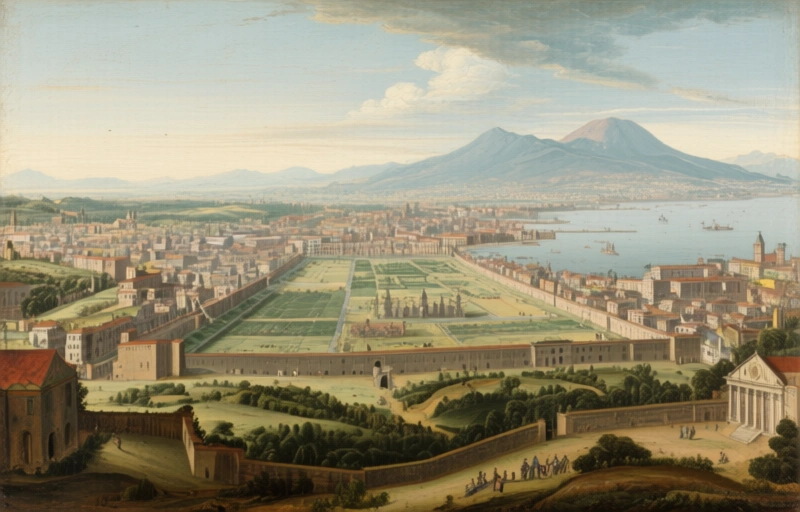
Here's what they discovered: this isn't just a simple snapshot. Van Stinemolen's panorama is carefully constructed, almost like a story he's telling about the relationship between the city and the countryside. You can see how Naples blends into the landscape around it, how the urban areas transition into rural spaces. It's a much more complex view than the typical "look at our beautiful city from the bay" perspective that was popular at the time.
The research team had two main goals:
- Pinpoint as many locations in the drawing as possible
- Figure out how van Stinemolen composed the work artistically
What they found was that this drawing operates on multiple levels. It's not just topography – it's about culture, nature, and how people interacted with their environment. Van Stinemolen was making deliberate choices about what to emphasize and what to downplay.
### What We Can Learn From This Approach
You know what's really interesting? This kind of interdisciplinary research shows us how much we can discover when we bring different fields together. Art history meets digital mapping meets urban studies. Each perspective sheds light on something different about the same work.
As one researcher put it: "Sometimes the most familiar places look completely new when you change your vantage point."
That's exactly what van Stinemolen did back in 1582 – he changed the vantage point. And now, centuries later, we're changing our vantage point on his work. We're not just looking at it as a historical document or a piece of art – we're seeing it as both, and as something more.
Here are three key takeaways from this research:
- Historical artworks can reveal unexpected insights when studied with modern tools
- Changing perspective literally and figuratively can uncover hidden meanings
- Collaborative research across disciplines creates richer understanding
### Why This Matters For Professionals
If you work with historical materials, whether you're in music, art, or cultural studies, there's a lesson here. Sometimes the most valuable insights come from looking at familiar things in unfamiliar ways. Van Stinemolen's Naples panorama reminds us that innovation isn't always about creating something brand new – sometimes it's about seeing what's already there with fresh eyes.
The work continues, of course. Every site they identify in that 1582 drawing raises new questions. Every artistic choice they analyze suggests new interpretations. But that's the beauty of it – great art keeps revealing itself over time, especially when we're willing to approach it with curiosity and new tools.
So next time you're looking at something you think you understand completely, try changing your perspective. You might be surprised by what you've been missing all along.