Jan van Stinemolen's 1582 Naples Panorama: A New Perspective
Miguel Fernández ·
Listen to this article~5 min
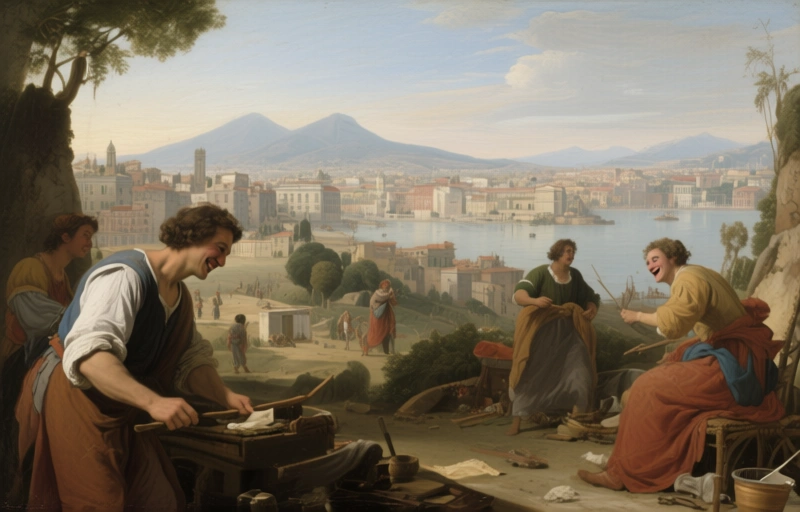
In 1582, Jan van Stinemolen drew a unique panorama of Naples from the hills, not the sea. This overlooked masterpiece is finally getting the deep analysis it deserves, revealing new insights into the city's 16th-century landscape.
You know how we usually see those classic views of Naples from the water? The ones with the bay and Vesuvius in the background? Well, back in 1582, a Dutch artist named Jan van Stinemolen decided to flip the script entirely. He created this incredible, monumental panorama of Naples—but not from the gulf. He drew it from the mainland, looking back toward the city from the hills. It's a perspective shift that changes everything, and honestly, it's kind of wild that this piece hasn't gotten more attention until now.
This isn't just some quick sketch. It's a detailed work in ink on paper, measuring over 6 feet wide, and it's currently housed in the Albertina Museum in Vienna. For centuries, it's been known to specialists—both folks who study Neapolitan geography and experts in Dutch drawing techniques. But here's the thing: it never sparked the deep dive it truly deserves. Scholars glanced at it, noted its existence, and moved on. We're talking about a missing piece of the puzzle in understanding how artists saw and represented cities during the Renaissance.
### Why This Drawing Is a Game-Changer
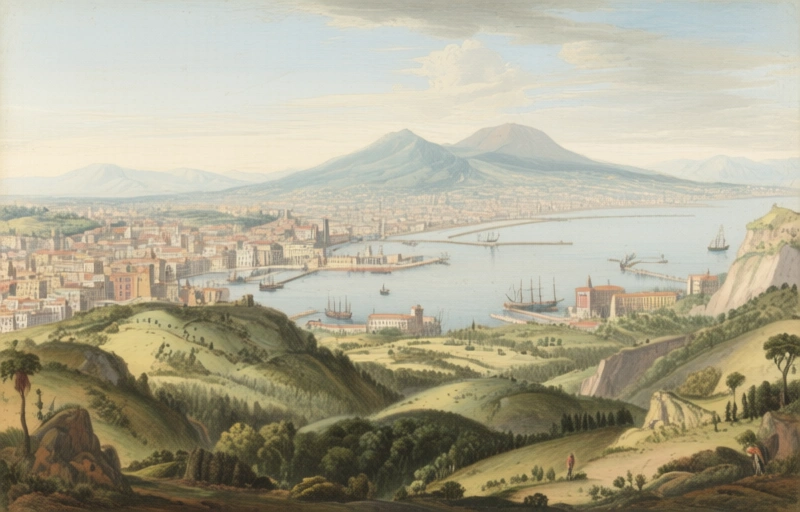
So what makes this view from the hills so special? For starters, it blends city and countryside in a way that conventional harbor views simply don't. You get to see Naples not as an isolated jewel by the sea, but as a city integrated with its surrounding landscape. You can almost feel the texture of the place—the urban core, the sprawling farms, the winding roads leading in from the countryside. It tells a more complete story of daily life in the late 16th century.
Think about it. Most artists went for the postcard view. Stinemolen went for the insider's view, the one you'd have if you were approaching the city on foot or by cart. This shift in vantage point isn't just artistic; it's deeply analytical. It forces us to reconsider the relationship between urban space and the natural world around it.
### Filling the Scholarly Gap with Digital Tools
Recently, a collaborative research project decided it was finally time to give this masterpiece its due. They asked two big questions: What exactly are we looking at in this drawing? And how did Stinemolen put it all together artistically? To find answers, they didn't just rely on old books. They turned to some seriously cool digital tools.
The key was using digitized, annotated maps from the Bibliotheca Hertziana – Max Planck Institute for Art History. By overlaying Stinemolen's drawing with these detailed historical maps, researchers could start pinning down locations with incredible precision. It was like using a 16th-century GPS to decode an artist's vision.
- **Site Identification:** The team worked to identify as many buildings, streets, and landmarks as possible. This turns the drawing from a pretty picture into a historical document, a snapshot of what was really there in 1582.
- **Artistic Analysis:** They dug into the composition. How did Stinemolen arrange the elements? What techniques did he use to create depth and perspective? This revealed the drawing as a carefully constructed piece of art, not a simple recording.
One researcher put it perfectly: "This work is far from a simple snapshot of Naples in 1582. It's a mediated construction, a deliberate artistic statement."
### What This Means for Us Today
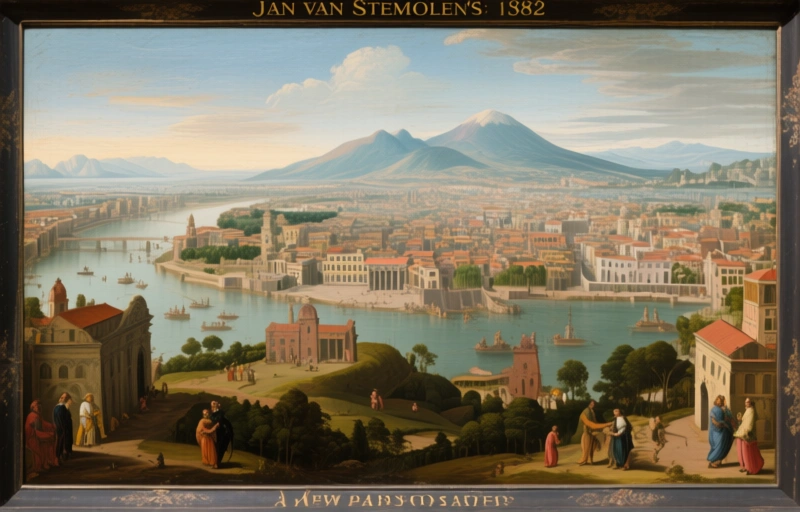
Unpacking Stinemolen's panorama does more than just satisfy historical curiosity. It shows us how artists acted as early cartographers and cultural observers. Their work wasn't just about beauty; it was about documenting, interpreting, and sometimes even shaping how a city was perceived.
For professionals in art history, urban studies, or cultural heritage, this approach is a blueprint. It shows the power of combining traditional art analysis with modern digital humanities techniques. You can take a single, overlooked artifact and use it to open up entirely new conversations about place, perspective, and representation.
In the end, Jan van Stinemolen gave us a gift—a chance to see an iconic city through completely fresh eyes, even after 440 years. By finally giving his work the close look it warrants, we're not just learning about Naples in 1582. We're learning new ways to see, understand, and value the artistic records of our past. And that's a perspective worth embracing.