Jan van Stinemolen's 1582 Naples Panorama: A Hidden…
Miguel Fernández ·
Listen to this article~4 min
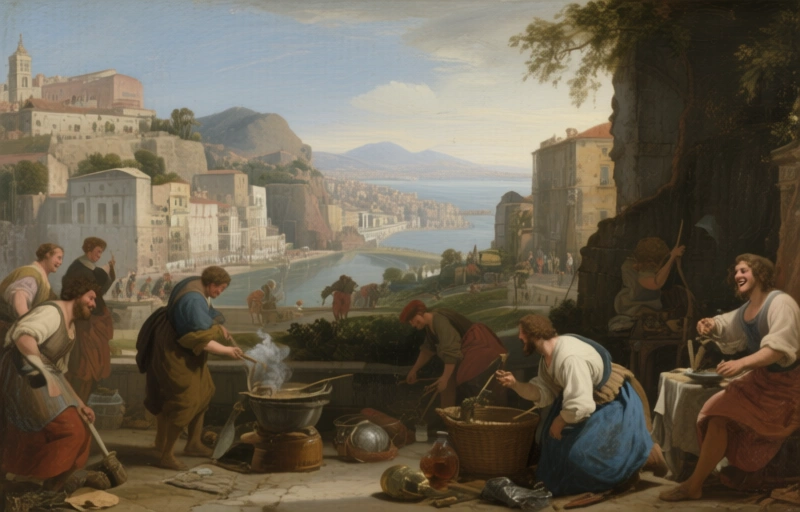
Discover Jan van Stinemolen's 1582 panorama of Naples, drawn from the hills instead of the sea. This overlooked masterpiece offers a unique blend of city, countryside, and artistic innovation, now being re-examined with modern digital tools.
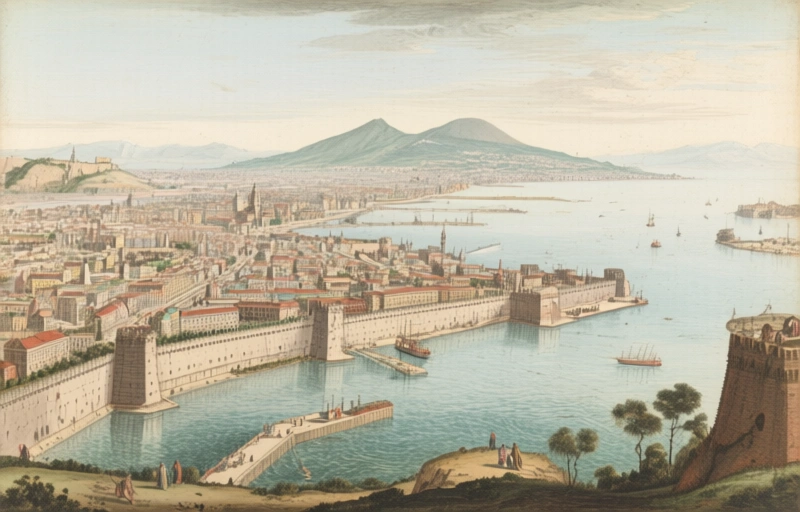
Back in 1582, a Dutch artist named Jan van Stinemolen did something pretty remarkable. He created this massive, detailed panorama of Naples. But here's the twist—he didn't draw it from the sea, like everyone else did. He turned around and drew it from the hills looking back toward the city. It's a complete flip of perspective.
This incredible ink-on-paper drawing now lives in the Albertina museum in Vienna. And honestly, it's kind of surprising it hasn't gotten more attention. I mean, scholars who study Naples' landscape and experts in Dutch art both know about it. Yet, nobody's really dug deep into what makes this piece so special. Until now.
### Why This Drawing Matters
Think about it for a second. In the 16th century, showing a city from the water was the standard. It was all about the grand harbor, the imposing walls from the sea. Stinemolen chose the opposite. He showed Naples from the mainland, blending the urban landscape with the surrounding countryside. It wasn't just a portrait of a city; it was a portrait of a city *in* its environment.
This shift in viewpoint tells us so much more. It connects culture with nature, the built environment with the land. It's a more holistic, grounded vision. And that's exactly why a group of researchers decided it was time for a fresh look.
### A New Collaborative Approach
A recent project set out to finally give this work the deep dive it deserves. The goal was twofold, and pretty ambitious:
- Pinpoint as many locations in the drawing as possible.
- Unpack its artistic composition—how it was put together and what it was trying to say.
They didn't just rely on old methods. The team used a fantastic new tool: digitized, annotated maps from the Bibliotheca Hertziana. This tech let them cross-reference Stinemolen's vision with historical geography in a way that wasn't possible before.
What they found was eye-opening. This isn't a simple snapshot. It's a carefully constructed piece of art. The term they use is 'intermedial construction'—basically, it draws on different forms of knowledge and representation. It's part map, part landscape painting, part topographical study.
### What We Can Learn Today
So, why should we care about a 440-year-old drawing? It's more than just history. For professionals, especially those in fields like urban studies or cultural heritage, this approach is a masterclass in perspective.
- **Context is Everything:** Seeing a place from one angle gives you one story. Changing your physical and metaphorical viewpoint reveals a completely different narrative.
- **Art as Data:** Historical artworks aren't just pretty; they're packed with information about how people saw and understood their world.
- **Collaboration Unlocks Secrets:** Combining art history with digital tools and geography can solve puzzles that single disciplines can't crack alone.
As one researcher noted, this project shows that 'the most familiar subjects can hold the most surprising secrets when we're willing to look at them from a new direction.'
In the end, Stinemolen's work reminds us that there's always another side to the story. By choosing the hills over the harbor, he gave us a richer, more complex Naples. And by using modern tools to study it, we're not just learning about 1582—we're learning new ways to see our own world. The past, it turns out, has a lot to teach us about observation, interpretation, and the value of an unconventional point of view.