Jan van Stinemolen's 1582 Naples Panorama: A Hidden View
Miguel Fernández ·
Listen to this article~4 min
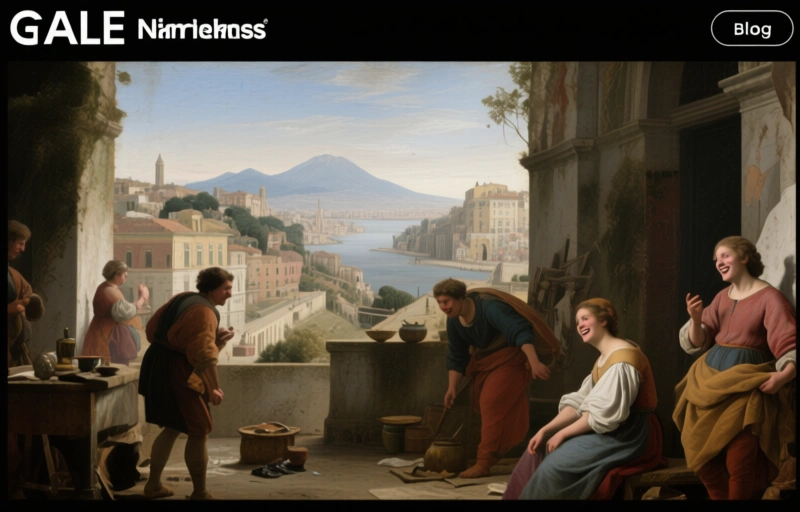
Discover Jan van Stinemolen's 1582 panorama of Naples, drawn from the mainland hills. This overlooked masterpiece offers a unique view blending city and countryside, now being decoded by modern researchers.
Let's talk about a piece of art that's been hiding in plain sight. Back in 1582, a Dutch artist named Jan van Stinemolen did something pretty radical. He finished this massive, detailed panorama of Naples. But here's the kicker—it wasn't the usual postcard view from the water. Nope. He drew it from the land, looking back at the city from the hills. It's a perspective flip that changes everything.
This incredible ink-on-paper drawing now lives in the Albertina museum in Vienna. You'd think a work this original, known by both Naples history buffs and Dutch art scholars, would have been picked apart by now. But surprisingly, it hasn't gotten the deep dive it truly deserves. It's like finding an untouched time capsule.
### Why This Drawing Is So Different
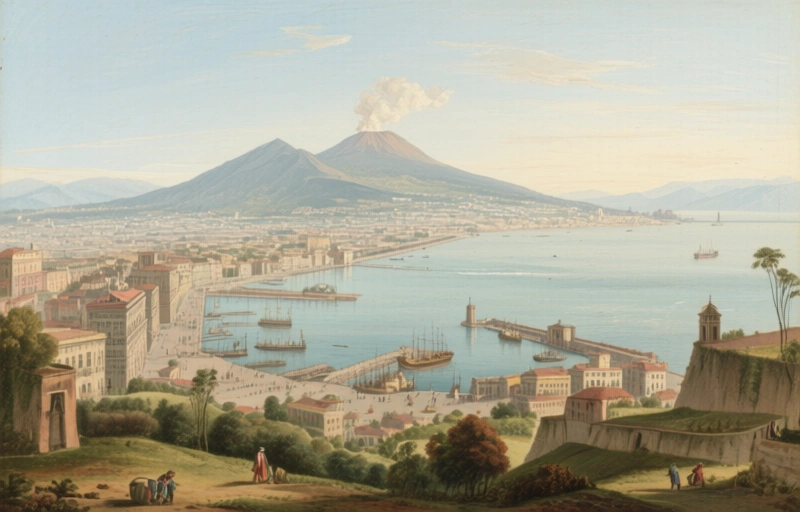
Most artists of the time showed Naples from the Gulf. You know, the classic harbor shot with Vesuvius in the background. Stinemolen went the other way. He positioned himself inland, on the mainland hills. This wasn't just a different angle; it was a different story. It captured the relationship between the bustling city and the surrounding countryside—the culture and the nature, all in one frame.
His work is far more than a simple snapshot. It's a constructed view, an artistic composition that makes you think about how we see and represent places. The drawing is huge, meant to be impressive, and every detail was intentional.
### Filling the Research Gap
Recently, a team of researchers decided it was time to give this masterpiece its due. They launched a collaborative project with a cool, modern twist. They used digitized, annotated maps from the Bibliotheca Hertziana – Max Planck Institute for Art History as their main tool. Think of it as using historical Google Earth to decode a 440-year-old drawing.
Their mission had two clear goals:
- Pinpoint as many real-life locations in the drawing as they could.
- Unpack the artistic choices Stinemolen made—how he composed the scene and built this intermedial piece.
What they found confirmed their hunch: this panorama is a complex piece of storytelling, not just a topographic record.
### What Makes It Special?
So, what did this new analysis reveal? For starters, identifying the sites was a detective game. The team could match hills, buildings, and roads from the drawing to the old maps. This helped them understand exactly what Stinemolen included and, maybe more importantly, what he chose to leave out or emphasize.
His artistic composition is fascinating. He wasn't just copying what he saw; he was arranging it for impact. The flow from the rural hills into the urban core tells a story of contrast and connection. It's a narrative about a city's place in its landscape.
Here’s a quick list of what sets this panorama apart:
- **The Uncommon Vantage Point:** A mainland view, not a sea view.
- **Scale and Ambition:** It's a monumental work, over several feet wide, demanding attention.
- **Blended Narrative:** It merges city life with rural surroundings seamlessly.
- **Artistic License:** It’s a composed interpretation, not a strict documentary.
As one researcher noted, "This work challenges the very idea of a 'view.' It's a meditation on place, crafted with an artist's eye for more than just geography."
The project's findings are a reminder that sometimes the most familiar subjects can surprise us when seen from a new angle. Stinemolen’s 1582 panorama offers a fresh, ground-level understanding of old Naples. It connects the dots between art, history, and the land itself in a way that still feels relevant today. It makes you wonder what other stories are waiting in old drawings, just needing the right tools and perspective to be told.