Jan van Stinemolen's 1582 Naples Panorama: A Hidden View
Miguel Fernández ·
Listen to this article~4 min
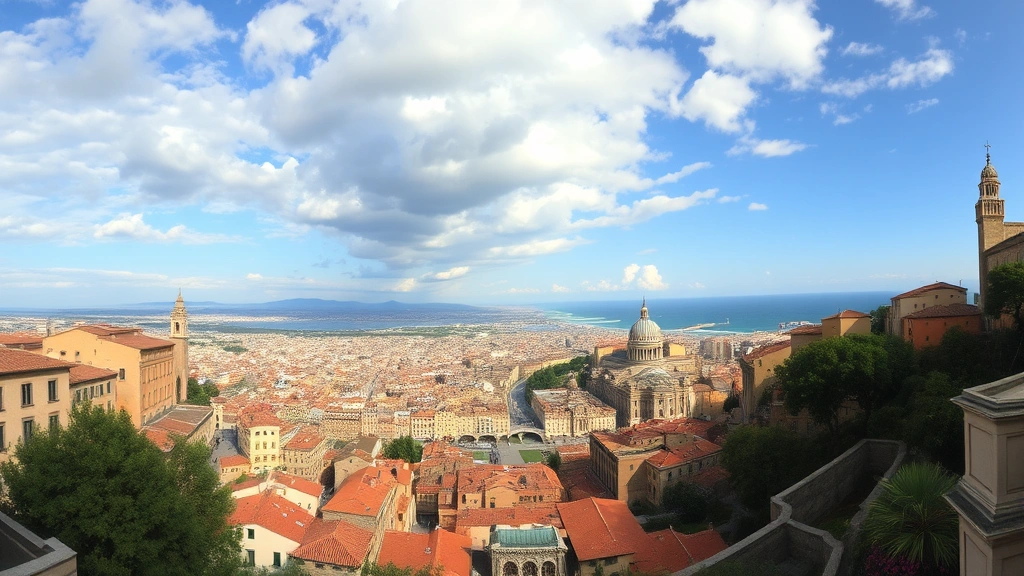
Discover Jan van Stinemolen's 1582 panorama of Naples, a unique land-view masterpiece finally receiving the deep analysis it deserves through new digital research methods.
Back in 1582, a Dutch artist named Jan van Stinemolen did something pretty remarkable. He finished this massive, detailed panorama of Naples. But here's the twist – it wasn't the usual postcard view from the water. Nope. He drew it from the land, looking back at the city from the hills. It's a perspective shift that changes everything.
This ink-on-paper masterpiece now lives in Vienna's Albertina museum. And honestly, it's kind of a head-scratcher why it hasn't gotten more buzz. Scholars who study Naples's landscape and experts in Dutch art both know it exists. Yet, it's never really been dug into the way it deserves. It's like having a secret map that everyone's heard of but no one's fully unfolded.
### Why This Drawing Is More Than Meets the Eye
That's where some new research comes in. A collaborative project decided to finally give this work the deep dive it needed. They weren't just looking with their eyes; they used some serious digital tools. We're talking annotated, digitized maps from a top art history institute. This tech wasn't just for show – it was the key to unlocking the drawing's secrets.
The goal was two-fold. First, they wanted to pinpoint as many real locations in the panorama as possible. Second, they aimed to crack the code of its artistic structure. What they found was surprising. This isn't just a simple snapshot of what Naples looked like one day in the 16th century.
### The Art of Building a City on Paper
Stinemolen's work is what experts call an 'intermedial construction.' Fancy term, simple idea. It means he blended different sources and artistic techniques to build this single, cohesive view. He might have used maps, other drawings, and his own observations. Then he composed it all with a specific artistic vision. It's a constructed reality, not a casual sketch.
Think of it like this: if a regular city view is a photograph, Stinemolen's panorama is more like a carefully directed film. Every element is placed for a reason. The research aimed to figure out what that reason was. What story was he trying to tell about Naples from the hills?
- **Land Over Sea:** Choosing the mainland view highlights the relationship between the city and its rural surroundings – the farms, the roads, the hills.
- **A Narrative Composition:** The placement of buildings and landmarks likely follows a deliberate narrative or symbolic order, not just geography.
- **A Cultural Artifact:** It reveals how a Northern European artist interpreted and represented a major Southern European city, blending observation with artistic convention.
As one researcher noted, "The view from the hills forces us to see Naples not as a port, but as a city rooted in its land. It's a fundamental shift in perception."
This fresh analysis does more than just list buildings. It shows us how art and cartography were intertwined long before Google Earth. Stinemolen wasn't just recording; he was interpreting, composing, and telling a story. By finally giving this 440-year-old drawing the attention it merits, we're not just learning about old Naples. We're learning about the very nature of how we see and represent the places around us. It turns a historical artifact into a conversation about perspective, artistry, and the hidden layers in the maps we think we know.