Jan van Stinemolen's 1582 Naples Panorama: A Hidden View
Miguel Fernández ·
Listen to this article~4 min
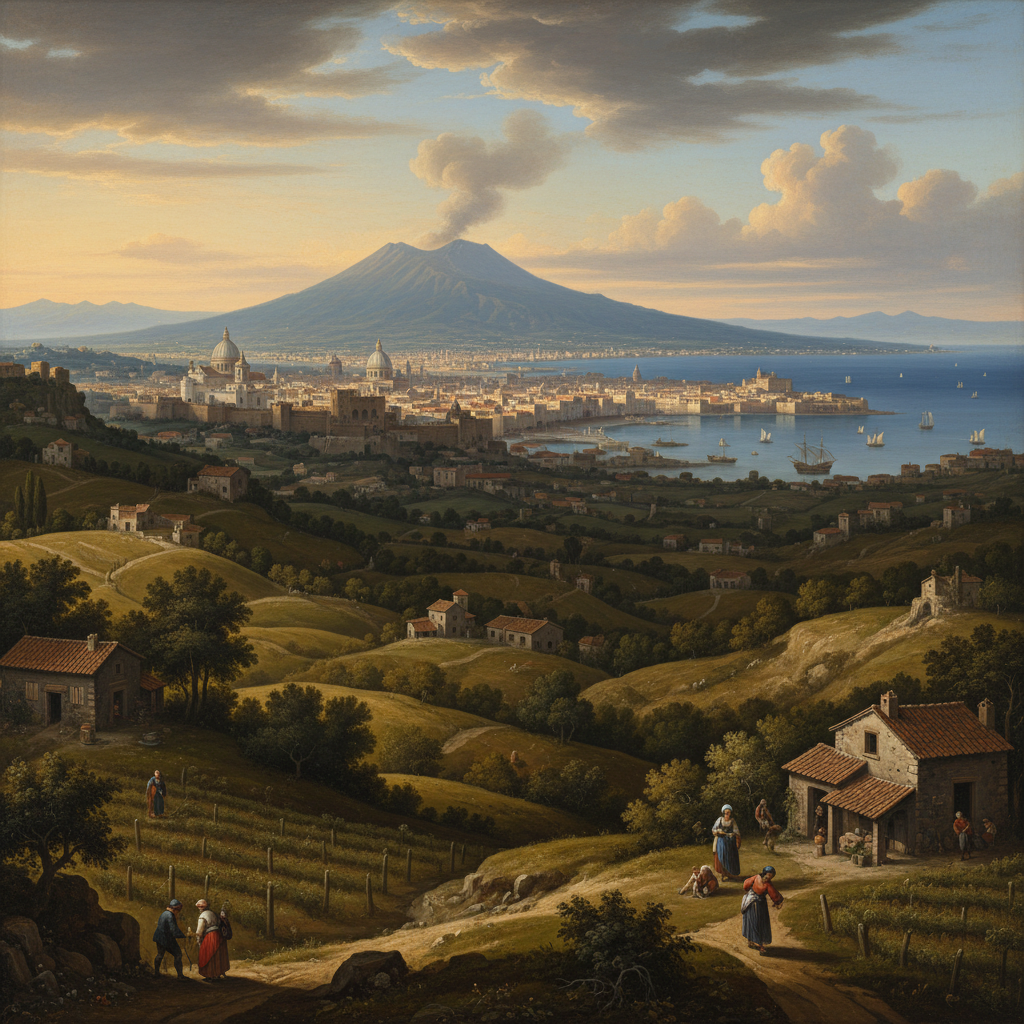
Discover Jan van Stinemolen's 1582 panorama of Naples, drawn from the mainland hills instead of the bay. This overlooked masterpiece reveals the city's relationship with its surrounding landscape through fresh scholarly research using digital mapping tools.
Back in 1582, a Dutch artist named Jan van Stinemolen did something pretty remarkable. He created this massive, detailed panorama of Naples. But here's the twist – he didn't draw it from the water, looking at the famous bay like everyone else. Nope, he turned around and sketched it from the land, looking back toward the city from the hills. It's a perspective shift that makes you see the place completely differently.
That original ink-on-paper drawing now lives in Vienna's Albertina museum. And honestly, it's kind of surprising this piece hasn't gotten more attention over the years. I mean, scholars who study Naples' landscape know about it. Experts in Dutch drawing techniques know about it too. But somehow, it's never really gotten the deep dive it deserves. There's so much more to unpack here than just a pretty picture of a city.
### What Makes This Drawing So Special?
Well, for starters, Stinemolen wasn't just making a tourist postcard. His work captures this fascinating blend of city and countryside, culture and nature, all in one frame. You get the urban structures of Naples, sure, but you also see how they blend into the surrounding landscape. It's not a simple snapshot – it's a carefully constructed artistic statement.
What's really interesting is how modern researchers are finally giving this work the attention it merits. They're using digital tools and annotated maps from places like the Bibliotheca Hertziana to really dig into what Stinemolen was showing us. This collaborative approach is revealing layers we might have missed before.
### More Than Just Geography
The research has two main goals, and both are pretty ambitious. First, they're trying to identify as many specific locations in the drawing as possible. Where exactly was Stinemolen standing? What buildings, hills, and landmarks was he capturing? Second, they're analyzing his artistic choices – how he composed the scene, what he emphasized, what relationships he was trying to show between different elements.
Here's what they're finding:
- This isn't documentary realism – it's artistic interpretation
- The composition tells a story about Naples' place in its environment
- There are probably symbolic elements we're still decoding
- The mainland perspective changes how we understand the city's relationship to its territory
One researcher put it well when she said, "Stinemolen wasn't just showing us what Naples looked like. He was showing us how Naples existed in space – connected to, yet distinct from, the land around it."
### Why This Matters Today
You might wonder why a 440-year-old drawing of Naples matters now. Here's the thing – how we visualize places says a lot about how we understand them. Stinemolen's choice to draw from the mainland instead of the bay wasn't random. It reflected a particular way of thinking about the city, one that balanced urban development with natural surroundings.
In our current conversations about sustainable cities and balancing growth with environmental preservation, this historical perspective feels surprisingly relevant. Stinemolen was capturing a moment when Naples was both a major European city and part of a larger Mediterranean landscape. His drawing preserves that tension in ink and paper.
The collaborative research using digitized maps is particularly exciting because it shows how old and new technologies can work together. Historical artifacts like Stinemolen's drawing gain new life when we apply modern analytical tools to them. We're not just looking at the drawing differently – we're asking different questions of it.
So next time you see a historical city view, maybe pause for a second. Ask yourself not just what it shows, but why it shows it from that particular angle. What story is the artist trying to tell about the relationship between the built environment and the natural world? Stinemolen's 1582 panorama of Naples reminds us that every perspective carries meaning, and sometimes the most revealing views come from where we least expect them.