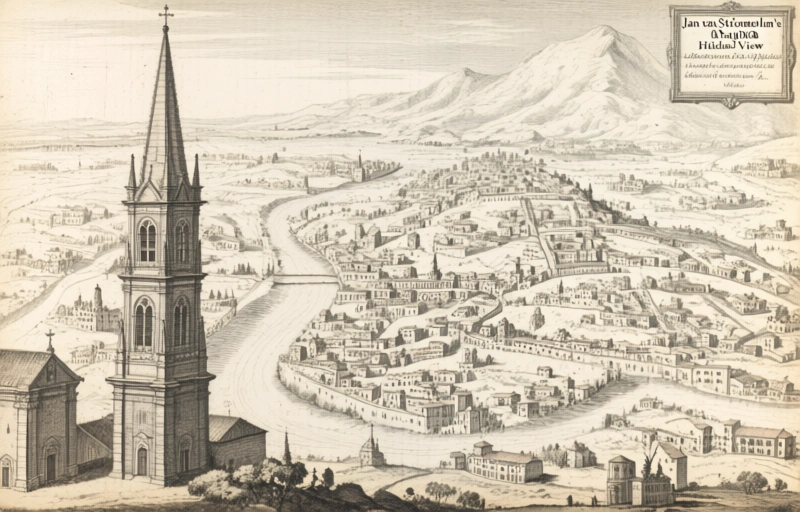
Jan van Stinemolen's 1582 Naples Panorama: A Hidden View
Miguel Fernández ·
Listen to this article~4 min
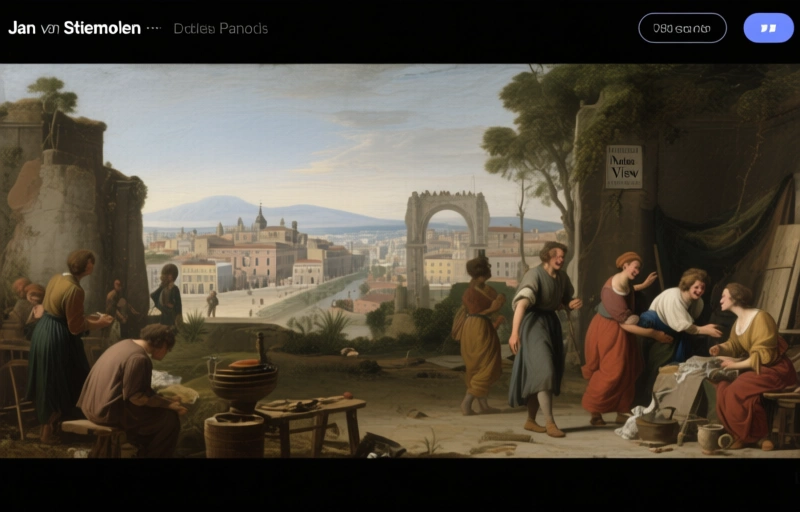
Discover Jan van Stinemolen's 1582 panoramic drawing of Naples, a unique land-view masterpiece that's finally getting the deep analysis it deserves through new digital research methods.
Let's talk about a piece of art that's been hiding in plain sight. In 1582, a Dutch artist named Jan van Stinemolen put ink to paper and created something truly monumental—a panoramic view of Naples, Italy. But here's the twist. It wasn't the classic postcard shot from the water. Nope. He turned the camera, so to speak, and showed us the city from the land. This unique drawing now lives in the Albertina museum in Vienna, and honestly, it deserves way more attention than it's gotten.
It's kind of surprising, really. Scholars who study Naples's landscape and experts in Dutch art both know this piece exists. Yet, for centuries, it hasn't sparked the deep dive, the passionate interpretation, it clearly calls for. It's more than just a pretty picture; it's a complex document waiting to be read.
### Why This View Matters
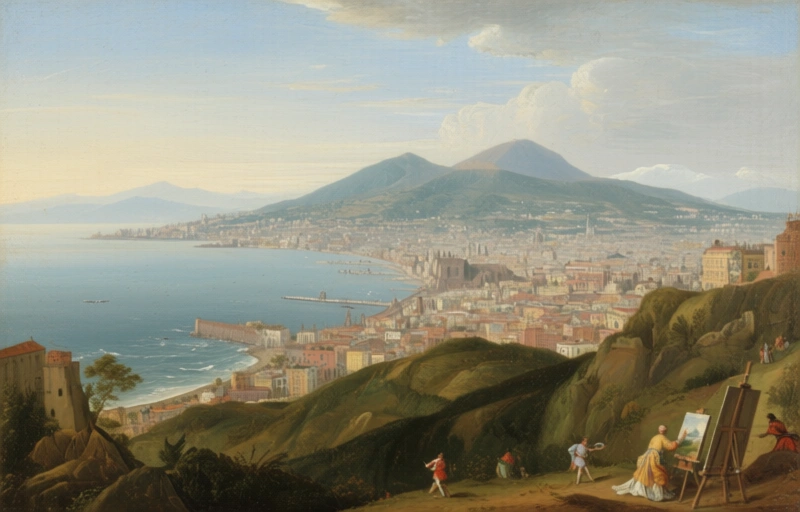
Think about it. Every other artist was painting Naples from the bay, focusing on the famous coastline. Van Stinemolen chose the hills. He gave us the city's backside, its relationship with the countryside. This shift in perspective changes everything. It shows us the connection between urban life and the natural world in the late 16th century. It’s not just a snapshot; it’s a deliberate artistic choice that tells a different story.
A recent collaborative research project decided to finally give this masterpiece its due. They rolled up their sleeves and used some pretty cool new tools to crack it open. The key? Digitized historical maps from the Bibliotheca Hertziana. By overlaying and annotating these old maps with the drawing, they started to solve its mysteries.
### Decoding a Masterpiece
The team had two big goals. First, they wanted to identify as many locations in the drawing as possible. Where exactly was van Stinemolen standing? Which church spire is that? Which fortress wall? Second, they dug into the artwork's very construction. How did he compose it? What artistic techniques did he blend?
What they found was fascinating. This panorama is far from a simple, realistic sketch. It's an intermedial construction—a blend of map-making, landscape drawing, and artistic interpretation. He wasn't just copying what he saw; he was crafting a specific vision of Naples.
As one researcher involved noted, "This work forces us to reconsider what a 'view' really meant in the 16th century. It's as much about idea as it is about place."
Here are some of the distinctive qualities that make this drawing so special:
- **The Unconventional Angle:** Viewing from the mainland, not the sea.
- **Artistic Synthesis:** It merges cartographic precision with artistic flair.
- **Historical Snapshot:** It captures a moment in Naples's history from a rarely seen vantage point.
- **Technical Skill:** The detail in ink on paper, spanning what was likely several feet in width, is astounding.
This research does more than just analyze one old drawing. It opens a window into how people of the past saw and represented the world around them. It reminds us that every perspective has value, and sometimes the most revealing views come from where you least expect them. For anyone interested in art history, cartography, or the story of Naples, van Stinemolen's 1582 panorama is a conversation that's finally beginning, and it's one we should all be listening to.