Jan van Stinemolen's 1582 Naples Panorama: A Hidden View
Miguel Fernández ·
Listen to this article~4 min
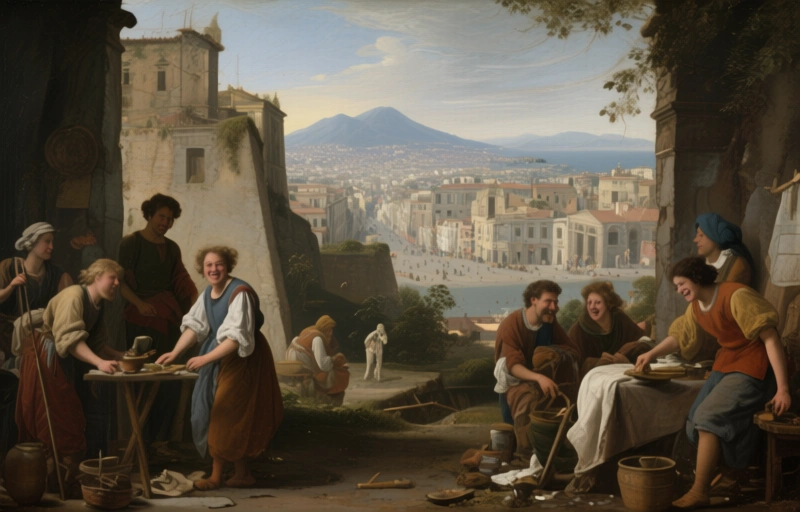
In 1582, Jan van Stinemolen drew Naples from the hills, not the sea. This revolutionary panorama, long overlooked, is finally getting the deep analysis it deserves through new digital research.
Back in 1582, a Dutch artist named Jan van Stinemolen did something pretty radical. He created a massive panorama of Naples, but he didn't draw it from the usual spot out on the water. Nope. He climbed up into the hills and looked back at the city from the mainland. It's a complete flip of the perspective everyone was used to.
This incredible ink-on-paper drawing now lives in the Albertina Museum in Vienna. And here's the wild part—even though scholars who study Naples and experts in Dutch art both know about it, this piece hasn't gotten the deep dive it truly deserves. It's been sitting there, waiting for someone to really unpack its secrets.
### Why This Drawing Is So Different
Think about the classic postcard view of a coastal city. You're always looking at it from the sea, right? Stinemolen turned that idea on its head. By drawing Naples from the hills, he captured the relationship between the bustling city and the surrounding countryside in a single, sweeping glance. It wasn't just a portrait of buildings; it was a story about culture and nature, all woven together.
This shift in viewpoint changes everything. It makes you wonder what he was trying to say. Was he more interested in how the city fit into the landscape than in its famous skyline? The drawing forces us to see Naples not as an isolated jewel by the bay, but as part of a larger, living world.
### A New Project Brings It to Light
Finally, a team of researchers decided to give this masterpiece the attention it's been missing. They launched a collaborative project with a super cool tool at its heart: digitized, annotated maps from the Bibliotheca Hertziana. This wasn't just about looking harder; it was about looking smarter with new technology.
Their mission had two clear goals. First, they wanted to identify as many of the specific sites in the drawing as possible. Second, they aimed to crack the code of its artistic composition. How did Stinemolen put this thing together? What techniques did he use to create such a vast, detailed scene?
What they found was surprising. This isn't a simple snapshot of 1582. It's a carefully constructed piece of art, an "intermedial" work that borrows from mapmaking and landscape painting to create something entirely its own. The research revealed layers of meaning that a casual look would never catch.
- **A Unique Perspective:** The mainland view shows the city's connection to its hinterlands, a story most views ignore.
- **Technical Mastery:** The scale and detail suggest Stinemolen was a draughtsman of exceptional skill.
- **A Historical Puzzle:** Identifying the sites helps historians understand what Naples looked like over 440 years ago.
- **An Artistic Hybrid:** The work blends observation with artistic license, making it more than a mere record.
As one researcher noted, "This panorama is a conversation between the city and the land it sits on. Stinemolen wasn't just documenting; he was interpreting."
So, why should we care today? Well, it reminds us that there's always another angle. In our world of quick snaps and identical tourist photos, Stinemolen's work is a lesson in truly seeing a place. He challenges us to step off the beaten path, to find a new hill to climb, and to look at familiar sights in an unfamiliar way. His 1582 drawing isn't just a relic; it's an invitation to change our perspective, both on art and on the world around us.