Jan van Stinemolen's 1582 Naples Panorama: A Hidden…
Miguel Fernández ·
Listen to this article~4 min
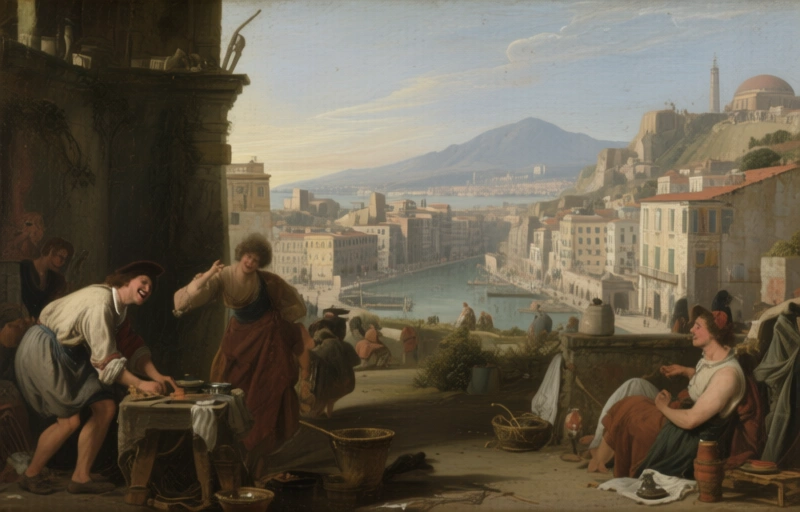
Jan van Stinemolen's 1582 panorama of Naples offers a rare inland perspective. New research using digitized maps reveals this isn't just a snapshot, but a carefully composed artistic interpretation of the city.
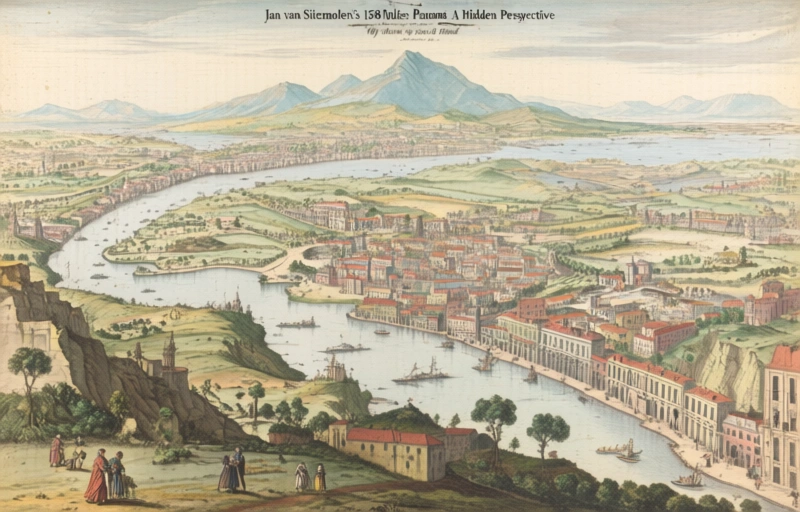
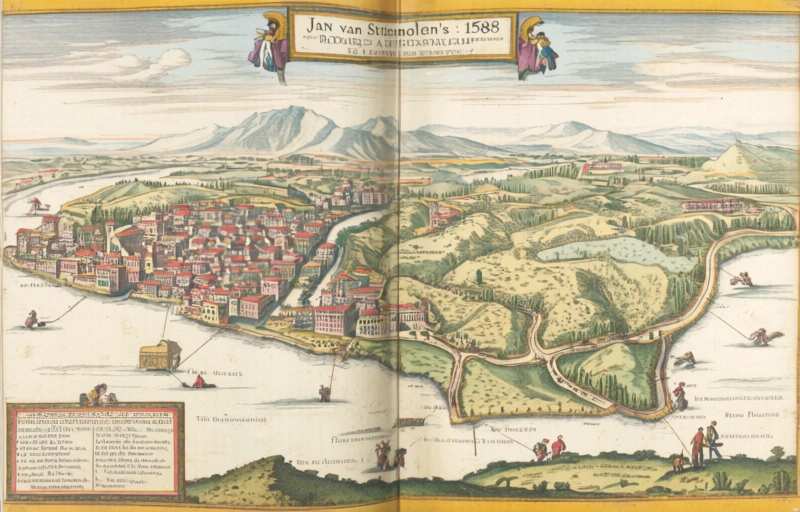
Back in 1582, a Dutch artist named Jan van Stinemolen did something pretty remarkable. He created this massive, detailed panorama of Naples. But here's the twist – he didn't draw it from the usual spot out in the bay, looking back at the city. Nope. He positioned himself inland, up in the hills, and captured Naples from a completely different angle.
It's a work on paper, done in ink, and today it lives in Vienna's Albertina museum. You'd think something this unique would have been studied to death by now, right? Well, that's where things get interesting.
### Why This Drawing Matters More Than You Think
Here's the thing – even though scholars of both Neapolitan geography and Dutch art history know about this piece, it hasn't gotten the deep dive it deserves. It's like everyone acknowledges it's important, but nobody's really sat down to figure out why it's so special. That's starting to change though.
A recent collaborative research project decided to tackle this gap head-on. They brought in some fresh analytical tools and perspectives, aiming to give Stinemolen's work the attention it's been missing for centuries.
### The Tools That Changed Everything
What made this new approach possible? Digitized historical maps from the Bibliotheca Hertziana – Max Planck Institute for Art History. Researchers annotated these maps, creating a digital framework that let them analyze the drawing in ways that just weren't possible before.
They had two main goals:
- Pinpoint as many locations in the drawing as they could
- Really dig into how Stinemolen put this thing together artistically
What they discovered was fascinating. This isn't just some quick sketch of what Naples looked like in 1582. It's way more intentional than that.
### Beyond a Simple Snapshot
When you look closer at how Stinemolen composed this panorama, you start seeing patterns. The placement of buildings, the way the landscape flows, the relationship between the city and the countryside – none of it's accidental. He was making artistic choices that tell us something about how he saw Naples, and maybe how he wanted others to see it too.
Think about it like this: most visitors to Naples would arrive by sea. That's the postcard view everyone knew. But Stinemolen gives us the local's perspective, the view from the hills where people actually lived their daily lives. It's a more intimate, grounded take on the city.
### What We're Learning Now
The research is revealing how Stinemolen blended different elements – it's what scholars call 'intermedial construction.' He wasn't just copying what he saw; he was interpreting it, maybe even combining multiple viewpoints into one coherent image.
This matters because it changes how we understand historical city views. They weren't always straightforward documentation. Sometimes they were carefully crafted narratives, telling a specific story about a place.
As one researcher put it, 'The real discovery wasn't just identifying landmarks, but understanding why Stinemolen chose to show them this particular way.'
### Why This Should Interest You
If you work with historical visuals – whether you're in museums, academia, or cultural preservation – this kind of research opens up new possibilities. It shows how combining traditional scholarship with digital tools can reveal layers of meaning we might otherwise miss.
Here's what makes Stinemolen's approach stand out:
- The unconventional inland perspective
- The blend of city and countryside in one frame
- The artistic composition that goes beyond mere recording
- The way it challenges our usual understanding of historical city views
We're just beginning to scratch the surface of what this 1582 panorama can tell us. About Naples, about Dutch drawing techniques, about how people represented cities in the Renaissance. It's a reminder that sometimes the most familiar-seeming historical documents have the most surprising stories to tell, if we're willing to look at them from a new angle.
Literally, in this case.