Decoding Stinemolen's Panorama of Naples
James Williams ·
Listen to this article~3 min
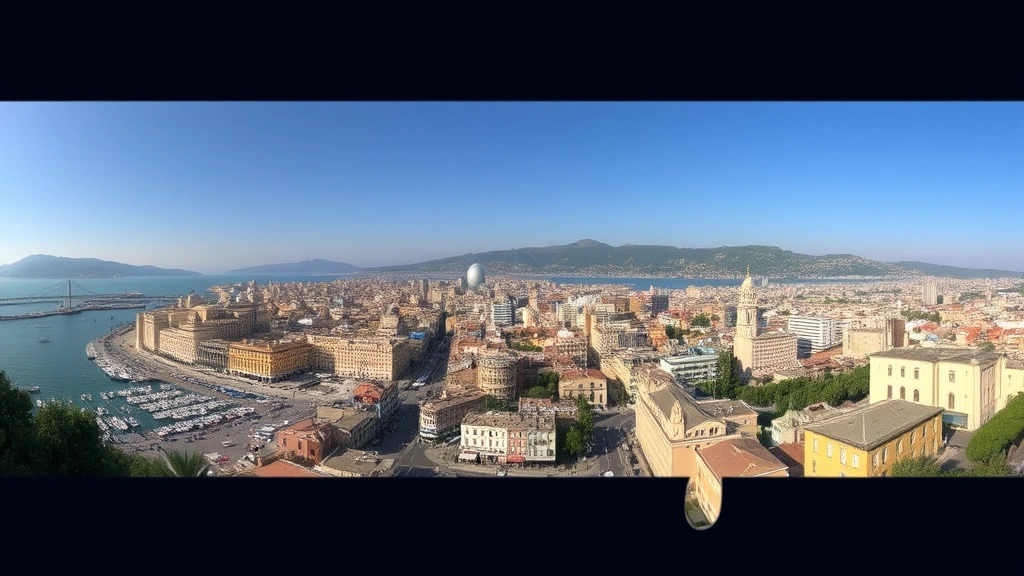
Explore the essential bibliography on Jan van Stinemolen's *Panorama of Naples* (1582), featuring digitized maps and research uncovering how this drawing is far more than a simple city snapshot.
### The Hidden Depths of a 16th-Century Masterpiece
You might think a 400-year-old drawing is just a pretty picture. But Jan van Stinemolen's *Panorama of Naples* (1582) is so much more. It's a puzzle, a time capsule, and a collaborative research project all rolled into one monumental work. We're diving into the bibliography that helped crack its secrets.
This isn't your average list of references. It's the roadmap a team of art historians used to figure out what Stinemolen was really up to. They had two big goals: identify every single site in the drawing, and understand how the artist built this sprawling view. Spoiler alert: it's not a simple snapshot.
### What the Bibliography Reveals
The bibliography we're talking about includes essential titles on interpreting the drawing itself. But it also pulls in digitized maps from the Bibliotheca Hertziana – Max Planck Institute for Art History. Those maps were key. They showed the researchers how Naples actually looked in 1582, and how Stinemolen rearranged things for artistic effect.
Here's what makes this research so fascinating:
- **Site identification:** They matched landmarks in the drawing to real locations in Naples, some of which have changed completely over the centuries.
- **Artistic composition:** Stinemolen didn't just copy what he saw. He used multiple viewpoints and combined them into a seamless panorama. It's like a 16th-century version of a photo stitch, but way more intentional.
- **Intermedial construction:** The drawing borrows from maps, city views, and even written descriptions. It's a mixed-media project before that term even existed.
### Why This Matters for Art History
Think about it. Most city views from this period are idealized. They show the city as the patron wanted it seen, not as it actually was. Stinemolen's work is different. It's a detailed, almost obsessive record of Naples. But it's also a carefully crafted piece of art.
"This work is far from a simple snapshot," the researchers note. And they're right. It's a layered document that tells us about urban life, artistic techniques, and even political messages of the time. The bibliography is your guide to understanding those layers.
### How to Use This Research
If you're an art history professional or a serious enthusiast, this bibliography is a goldmine. Start with the digitized maps to get a sense of the city's layout. Then move to the interpretive essays. They'll help you see the drawing the way the researchers did: as a complex, intermedial construction.
One thing to keep in mind: the maps are annotated, which means they include notes from the original researchers. Those annotations are where the real insights live. They point out discrepancies, connections, and details you'd miss on your own.
### Final Thoughts
Stinemolen's *Panorama of Naples* is a masterpiece that rewards close study. The bibliography we've outlined here is your entry point. It's not just a list of books. It's a toolkit for decoding one of the most ambitious drawings of the 16th century.
So grab a cup of coffee, pull up those digitized maps, and start exploring. You'll never look at a city view the same way again.