Decoding Stinemolen's Panorama of Naples
Miguel Fernández ·
Listen to this article~3 min
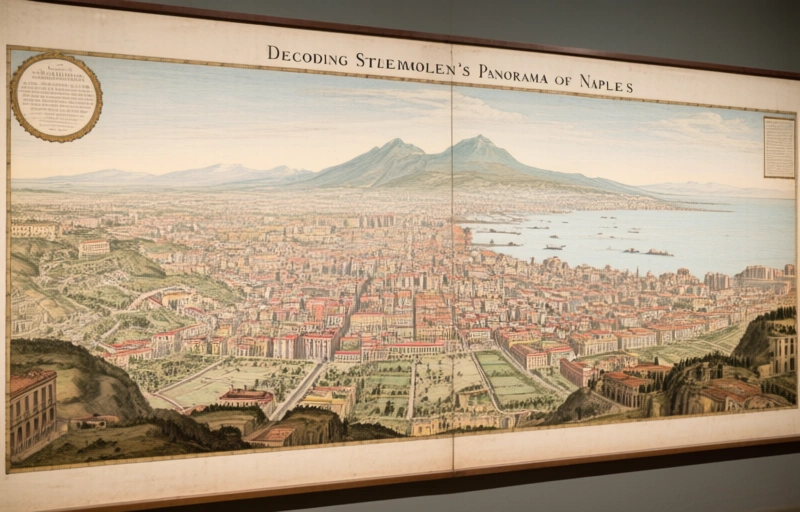
Discover the secrets behind Jan van Stinemolen's 1582 Panorama of Naples. This bibliography reveals how art and history collide in a 6-foot-wide masterpiece.
If you’ve ever stared at an old map and wondered what story it’s really telling, you’re not alone. That’s exactly what happened when a group of researchers dug into Jan van Stinemolen’s *Panorama of Naples* from 1582. This isn’t just a pretty drawing—it’s a puzzle that reveals how art, history, and geography collide. Let’s break down what makes this work so fascinating and why it matters today.
### The Big Picture: What’s This Drawing All About?
Stinemolen’s panorama is massive—we’re talking a detailed bird’s-eye view of Naples that’s more than 6 feet wide. Created in 1582, it captures the city’s coastline, hills, and buildings with incredible precision. But here’s the kicker: it’s not a simple photograph of its time. The researchers found that Stinemolen mixed real locations with artistic touches, blending observation with imagination. Think of it like a Renaissance version of Google Maps, but with a painter’s flair.
The project aimed to do two things: identify every site Stinemolen included, and figure out how he built this visual narrative. Spoiler alert—they discovered way more than expected.
### Why This Bibliography Matters
To unpack all this, the team put together a special bibliography. It’s not just a list of books—it’s a toolkit for anyone curious about historical maps, art, or Naples itself. Here’s what you’ll find inside:
- **Core texts on Stinemolen’s work**: Deep dives into his techniques and influences.
- **Digitized maps from the Bibliotheca Hertziana**: These were key to matching Stinemolen’s views with real sites.
- **Studies on 16th-century Naples**: Context on the city’s layout and life back then.
This isn’t dry academic stuff. It’s a gateway to seeing how a 400-year-old drawing can still surprise us.
### What They Uncovered: More Than Meets the Eye
The researchers didn’t just ID landmarks—they cracked open Stinemolen’s creative process. For example, some buildings in the panorama don’t match historical records. Turns out, he rearranged a few to make the composition flow better. Sound familiar? It’s like how a modern photographer might adjust a scene for the perfect shot.
> "This work is far from a simple snapshot of Naples in 1582." — Project summary
Yeah, they nailed it. The drawing blends fact and fiction, showing how art can shape our view of the past.
### How to Use This Research Today
Whether you’re a historian, artist, or just a curious soul, this bibliography is gold. Here are a few ways to dive in:
- **Start with the digitized maps**: They’re free and let you compare Stinemolen’s view with modern Naples.
- **Read the key studies**: They explain the artistic tricks behind the panorama.
- **Visit the Bibliotheca Hertziana’s site**: Their annotations make the research accessible.
Just remember—no links here, but a quick search will get you there.
### Wrapping It Up
Stinemolen’s *Panorama of Naples* is a reminder that old art isn’t just dusty relics. It’s a conversation between the past and present, full of hidden stories. This bibliography gives you the tools to join that conversation. So grab a coffee, pull up a map, and see what you can discover.