Decoding Jan van Stinemolen's 1582 Panorama of Naples
Miguel Fernández ·
Listen to this article~4 min
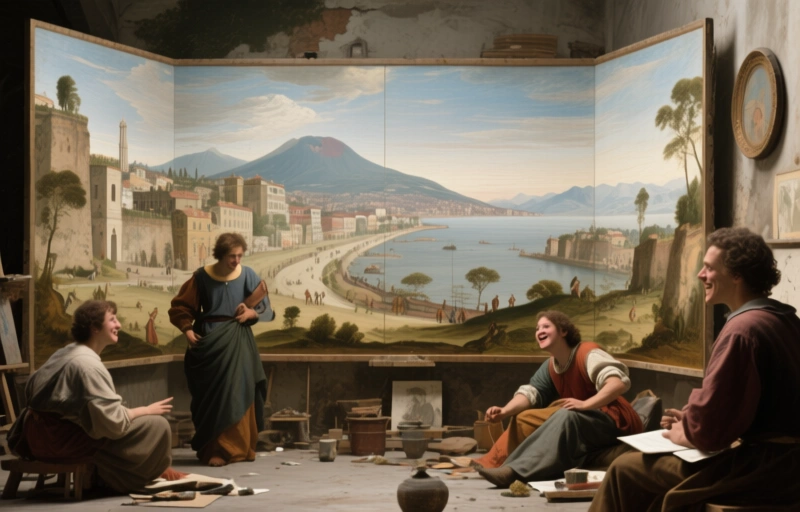
Discover how new research reveals Jan van Stinemolen's 1582 Panorama of Naples as a complex artistic narrative, not a simple snapshot. A collaborative project decodes its sites and hidden composition.
If you're like me, you've probably seen old maps and drawings and wondered about the stories they hold. They're not just pretty pictures, right? They're complex documents, full of intention and artistry. That's exactly what a recent collaborative research project discovered about Jan van Stinemolen's *Panorama of Naples* from 1582. It's far more than a simple snapshot of the city.
This wasn't a solo effort. A team dove deep, using a specialized bibliography and digitized resources to peel back the layers of this monumental work. Their goal was twofold, and honestly, it's pretty fascinating.
### The Two-Pronged Mission of the Research
First, they wanted to be detectives. They aimed to identify as many real-world locations as possible within Stinemolen's drawing. Think about it—a 440-year-old view of Naples. Which buildings are still there? Which streets can we recognize today? It's a historical treasure hunt.
Second, and this is where it gets really interesting, they investigated the drawing's artistic DNA. They looked at its composition and what we call its 'intermedial construction'—basically, how it borrows from and interacts with other art forms of its time. This revealed that Stinemolen wasn't just copying what he saw; he was composing a narrative.
### Why This Drawing Is a Masterpiece, Not a Photograph
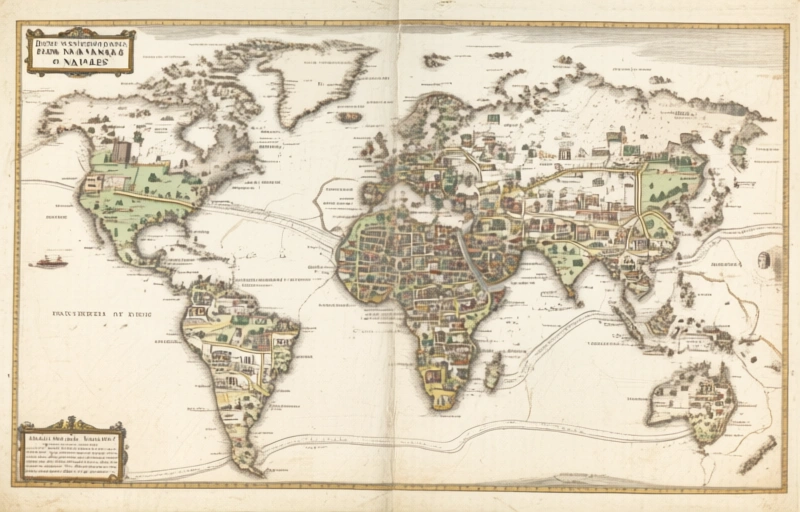
Here's the kicker. The research showed this panorama is a carefully constructed piece of art. It's not a neutral, top-down map. Stinemolen made choices. He emphasized certain landmarks, arranged elements for dramatic effect, and likely used multiple viewpoints to create a cohesive whole that a single person could never actually see from one spot.
It makes you look at historical documents differently. They're arguments, not just records. This project gives us a new lens to understand how people in the 16th century saw, represented, and perhaps even manipulated the idea of a city for their audience.
### The Tools That Made It Possible
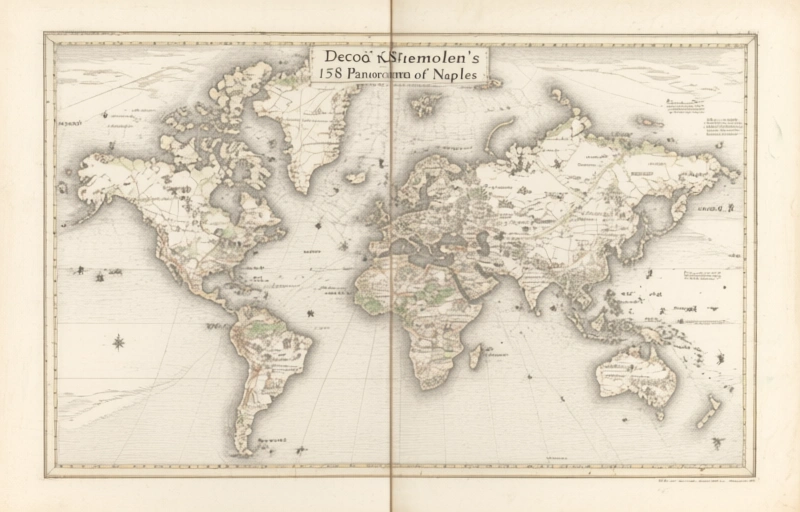
So how did they do it? The team relied heavily on annotated, digitized maps from a major art history research institute. This digital access was crucial. It allowed for side-by-side comparisons, zooming into fine details, and overlaying modern geography with the 1582 depiction in a way that wasn't possible even 20 years ago.
As one researcher noted, "The technology didn't give us the answers, but it asked us better questions." It highlighted discrepancies and patterns that sparked new lines of inquiry.
### Key Takeaways for Art Historians and Enthusiasts
This case study is a blueprint for analyzing historical visual media. Here are the main lessons:
- **Context is King:** You can't understand the drawing without the maps, texts, and cultural knowledge of its era.
- **Artistry Over Accuracy:** Historical "views" often prioritize storytelling and symbolic meaning over photographic precision.
- **Collaboration Works:** Combining different expert perspectives—from geographers to art historians—unlocks deeper insights than any one specialist could find alone.
In the end, this project does more than just explain one old drawing. It reminds us that the past is never just a flat image. It's a rich, textured, and intentionally crafted story waiting to be read. The next time you see an ancient map or cityscape, ask yourself: what is the artist trying to tell me, and what did they choose to leave out? The silence in a drawing can be just as loud as the lines on the page.