Decoding Jan van Stinemolen's 1582 Panorama of Naples
Miguel Fernández ·
Listen to this article~4 min
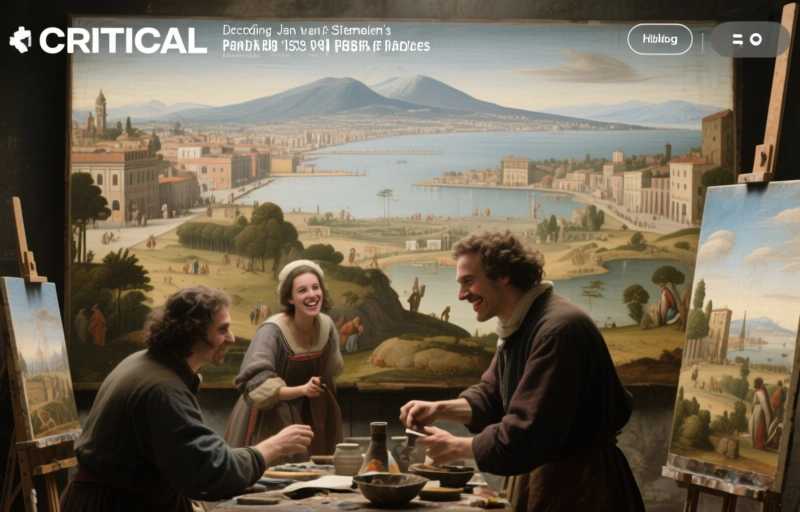
Explore the essential research behind Jan van Stinemolen's 1582 Panorama of Naples. Discover how scholars identified its sites and decoded its artistic narrative, revealing it as far more than a simple historical snapshot.
If you're like me, you've probably looked at historical drawings and thought they were just snapshots of the past. But Jan van Stinemolen's *Panorama of Naples* from 1582 is something else entirely. It's not a simple postcard view. This monumental drawing is a complex artistic statement, a carefully constructed vision of a city at a specific moment in time. And that's exactly what makes it so fascinating for professionals in the field.
We're talking about a collaborative research project that went deep. The goal wasn't just to admire the artwork. It was to truly understand it. The team had two main missions, and both required serious detective work.
### The First Mission: Pinpointing the Places
The first task was surprisingly practical. They needed to identify as many of the sites in the drawing as possible. Think about it—this is 16th-century Naples. Streets change, buildings disappear, landscapes evolve. So how do you match Stinemolen's lines and shadows to real-world locations? This is where the real legwork came in.
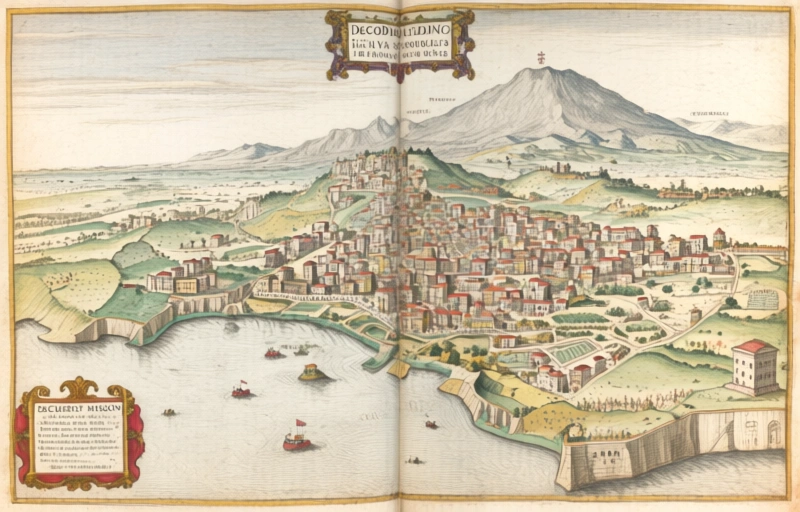
They didn't just rely on the drawing itself. The research leaned heavily on digitized historical maps, particularly those annotated at the Bibliotheca Hertziana. These weren't just reference points; they were fundamental to the entire approach. By cross-referencing the artistic rendering with these meticulous cartographic records, the team could start to build a reliable map of what Stinemolen actually saw—or chose to show.
### The Second Mission: Unraveling the Artist's Intent
This is where it gets really interesting. The second aim was to investigate the drawing's artistic composition and what we call its 'intermedial construction.' That's a fancy term for a simple idea: how did Stinemolen use his medium to create meaning? He wasn't a human camera. Every line, every omission, every perspective choice was deliberate.
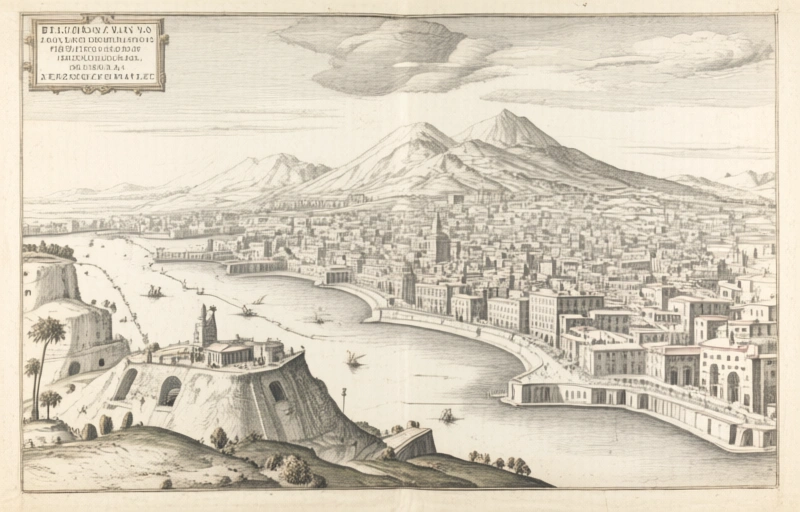
This investigation revealed the core truth about the panorama. It's far from a casual sketch. It's a composed narrative. Stinemolen made choices about what to include, what to emphasize, and how to frame the city. He was constructing a specific version of Naples for his audience. Understanding that construction is key to understanding the work's true historical and artistic value.
### Why This Bibliography Matters for You
So, why should you, as a professional, care about this specific bibliography? It's because this project exemplifies a modern, interdisciplinary approach to art history. It shows how to blend traditional connoisseurship with digital tools and collaborative research. The titles listed aren't just a reading list; they're a roadmap to a methodology.
- They cover the technical interpretation of the drawing itself.
- They delve into the historical context of Naples in the late Renaissance.
- They explore the theory behind intermediality—how different forms of media (like drawing and cartography) speak to each other.
This research pushes us to ask better questions. Instead of just 'what is this a picture of?' we learn to ask 'why is it pictured *this way*?' That shift in perspective is everything. It turns a static image into a dynamic conversation with the past. As one researcher noted, 'The panorama is less a window and more a carefully edited story.' That story, and the work it took to decode it, is what this essential collection of resources helps to tell. For anyone serious about the intersection of art, history, and digital humanities, it's an invaluable starting point.