Decoding Jan van Stinemolen's 1582 Naples Panorama
Miguel Fernández ·
Listen to this article~4 min
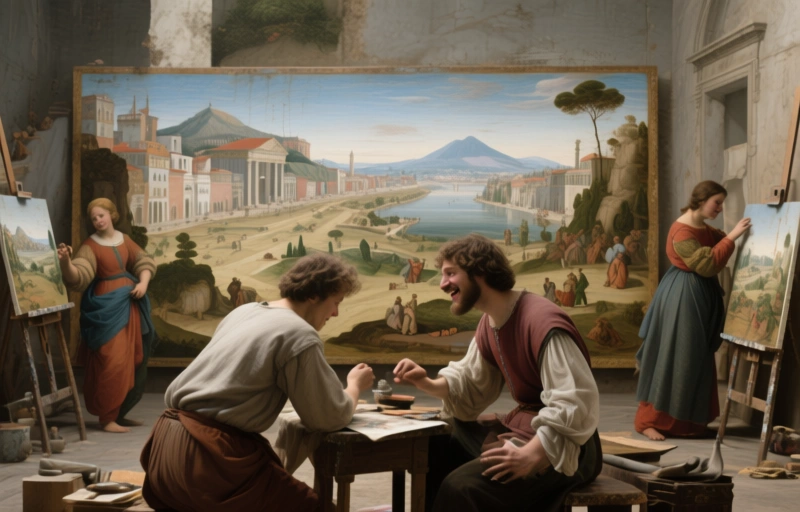
Explore the groundbreaking research into Jan van Stinemolen's 1582 Panorama of Naples. Discover why this drawing is far more than a simple snapshot, revealing layered artistic intention and historical narrative through collaborative analysis.
If you're like me, you've probably seen historical drawings and thought they were just simple snapshots of their time. But Jan van Stinemolen's *Panorama of Naples* from 1582? It's anything but that. This monumental work is a complex puzzle, a layered artistic statement that researchers have been piecing together for years. I want to walk you through what makes this drawing so special and why a recent collaborative project has completely changed how we see it.
It wasn't just about cataloging old buildings. The goal was to understand the artist's mind. How did he choose what to include? What was he trying to say about Naples at that precise moment in history? The answers are far more fascinating than a simple map.
### The Collaborative Research Mission
This wasn't a solo effort. A team of experts came together with two clear objectives. First, they needed to identify as many real locations in the panorama as possible. Think of it as a 16th-century "Where's Waldo?" but with churches, fortresses, and harbors. Second, and more importantly, they dove deep into the drawing's artistic DNA. They analyzed its composition, its construction, and the media Stinemolen used. What they found was a work of deliberate intermedial genius.
It turns out the panorama is a carefully crafted narrative. Stinemolen wasn't just documenting; he was interpreting, emphasizing, and perhaps even editorializing. The research revealed connections to other art forms and contemporary thought that you'd completely miss at first glance.
### The Essential Research Toolkit
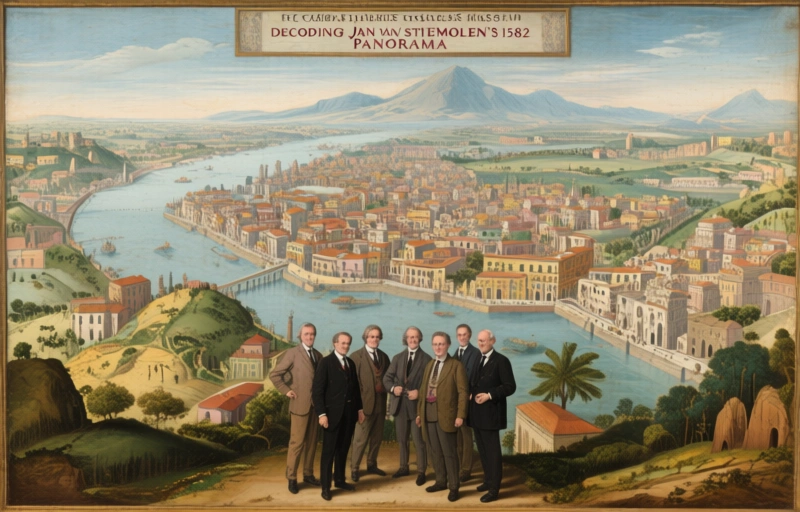
So, how did they crack this code? The project relied on some incredible resources. A core part of the methodology involved digitized historical maps from a key institution. These weren't just scanned images; they were annotated, cross-referenced, and layered with modern data. This digital approach allowed researchers to overlay the 1582 drawing with known geography in ways that were impossible just a decade ago.
The bibliography that came out of this is a goldmine. It doesn't just list sources on Stinemolen. It expands into titles about interpreting Renaissance art, the politics of cityscapes, and how artists blend observation with imagination. Here's what makes this resource stand out:
- It connects the drawing to broader artistic movements of the late 1500s.
- It provides context on how Naples was perceived by outsiders at the time.
- It includes analyses of the drawing's technical execution, from line work to perspective.
- It challenges the old notion that such works are purely topographic records.
As one researcher noted in the project's findings, "This panorama is less a window to 1582 Naples and more a lens, deliberately ground and focused by the artist's hand and mind."
That quote really sticks with me. It captures the shift in understanding. We're not looking at a photograph. We're looking at an argument, a perspective, a piece of visual rhetoric created over 440 years ago.
### Why This Matters for Professionals Today
You might wonder why this niche research on a 16th-century drawing matters now. Well, it's a masterclass in looking beyond the surface. It teaches us that every piece of art, every historical document, contains layers of intention. For professionals working with historical materials, this project is a roadmap. It shows the power of collaborative, interdisciplinary research and how digital tools can unlock meanings we thought were lost.
The next time you encounter an old map or a cityscape drawing, don't just see the buildings. Ask the questions this research team asked: What's being emphasized? What's being left out? What story is the artist trying to tell? Stinemolen's Naples is a reminder that history is never just one thing—it's a conversation, and we're still learning how to listen.