Decoding Jan van Stinemolen's 1582 Naples Panorama
Miguel Fernández ·
Listen to this article~6 min
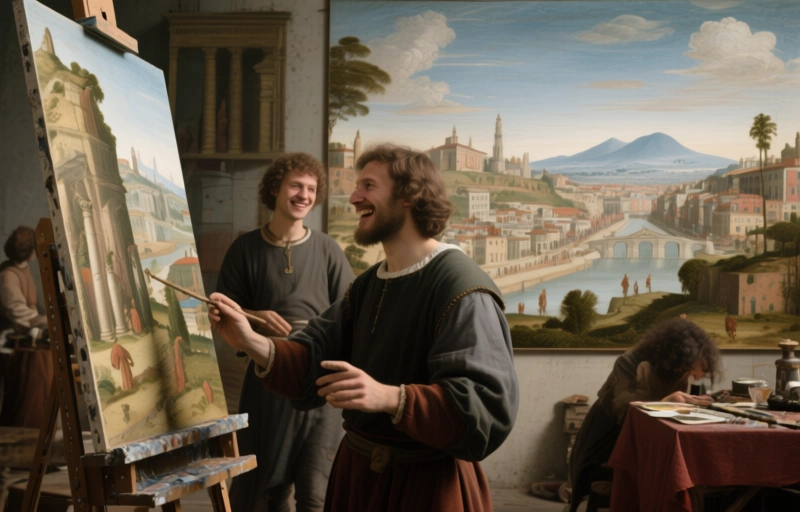
Explore Jan van Stinemolen's 1582 Panorama of Naples beyond a simple snapshot. Discover how collaborative research decoded its artistic composition and revealed the complex narrative behind this historical masterpiece.
So you've come across Jan van Stinemolen's *Panorama of Naples* from 1582. It's one of those works that stops you in your tracks, isn't it? At first glance, it might look like a straightforward historical drawing—a snapshot of a city frozen in time. But that's where things get interesting. This isn't just a simple map or view. It's a complex, layered piece of art that tells a much deeper story about how we see and represent the world.
Let's talk about what makes this panorama so special. Created in 1582, it captures Naples at a specific cultural and political moment. But Stinemolen wasn't just documenting buildings and streets. He was crafting a narrative through visual means, using artistic techniques that were pretty advanced for his time. The composition, the perspective, the choice of what to include and what to leave out—it all adds up to something more than documentation.
### What The Research Project Uncovered
A recent collaborative project took a deep dive into this work, and what they found was fascinating. The team had two main goals. First, they wanted to identify as many real locations as possible within the drawing. That sounds simple enough, but when you're dealing with a 16th-century artwork, nothing's ever straightforward. Second, they wanted to understand how Stinemolen put this thing together—his artistic choices and what we might call the "intermedial construction" of the piece.
Here's what that means in plain English: they were looking at how different types of media and information sources came together in this single work. Think about it like this—Stinemolen probably used:
- Existing maps and city plans
- His own observations and sketches
- Architectural knowledge of the period
- Maybe even written descriptions from travelers
All of these elements got blended together into what we see on the page. The research team compared the panorama with digitized maps from the Bibliotheca Hertziana – Max Planck Institute for Art History. These weren't just any maps—they were annotated versions that gave clues about how people understood space and place in that era.
### Why This Isn't A Simple Snapshot
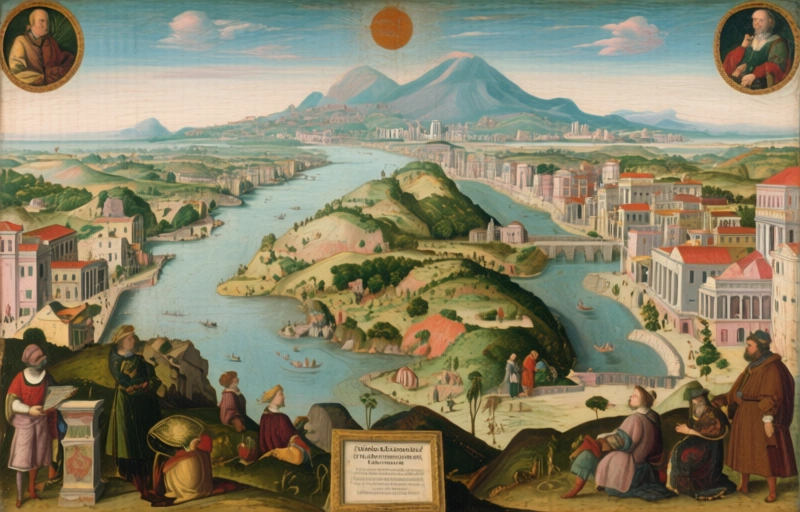
This is the really important part. The research revealed that Stinemolen's panorama is "far from a simple snapshot of Naples in 1582." That phrase keeps coming back because it's so crucial to understanding what you're looking at.
What makes it more than just a snapshot? Well, consider these points:
- The artist made deliberate choices about perspective and viewpoint
- Certain buildings or areas might be emphasized for symbolic reasons
- The composition follows artistic principles rather than strict geographical accuracy
- It represents a particular interpretation of the city, not just a neutral recording
One researcher put it well when they said, "We're not just looking at Naples—we're looking at how one artist saw Naples, and how he wanted others to see it." That distinction matters because it changes how we approach historical artworks. They're not transparent windows to the past. They're filtered through human perception and artistic convention.
### The Essential Bibliography
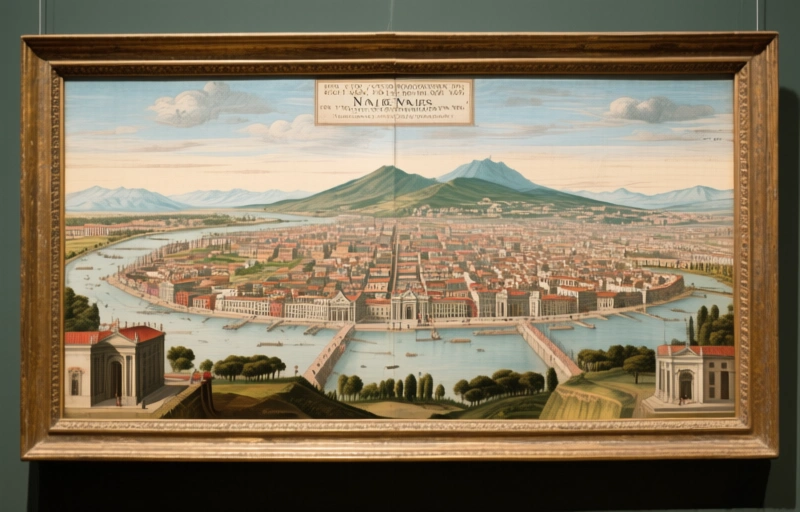
If you want to dive deeper into this topic, there's a growing body of work that can help. The essential bibliography on Stinemolen's panorama includes not just the obvious sources, but also titles that explore the interpretation of the drawing. These aren't dry academic texts—they're conversations about how we make meaning from historical artifacts.
You'll find works that discuss:
- The technical aspects of panorama creation in the 16th century
- Comparative studies with other city views from the same period
- Analyses of how space and power are represented in such works
- Discussions about the relationship between art and cartography
What's particularly valuable about this bibliography is that it doesn't just list sources—it shows how different approaches can illuminate different aspects of the same work. One scholar might focus on the architectural accuracy, while another explores the symbolic meaning of certain elements. Together, they give us a richer understanding than any single perspective could provide.
### Why This Matters For Professionals
You might be wondering why all this detail matters if you're not an art historian. Here's the thing—understanding how complex representations like this work can change how you approach any historical source. Whether you're looking at old maps, architectural drawings, or even written descriptions, recognizing the layers of interpretation and artistic choice helps you read between the lines.
Stinemolen's panorama teaches us to ask questions like:
- What was included and what was left out?
- From what vantage point was this created?
- What conventions or styles influenced this representation?
- What message might the creator have been trying to convey?
These questions apply far beyond 16th-century art. They're relevant whenever we're trying to understand how people in the past saw and represented their world. And in a time when we're surrounded by representations of reality—from photographs to data visualizations—that's a pretty useful skill to develop.
So next time you look at an historical artwork like this, remember: you're not just seeing what was there. You're seeing how someone chose to show it to you. And that choice makes all the difference.