Bourgeois Consumerism Meets Neo-Impressionist Anarchism
Margriet Bos ·
Listen to this article~3 min
Discover how Paul Signac's Neo-Impressionist paintings and Henry Havard's interior design guides share surprising scientific roots, blending anarchist ideals with consumer culture in 19th-century France.
This study dives into the surprising connection between two famous paintings of bourgeois interiors by Paul Signac—*Salle à manger* (1886–1887) and *Un Dimanche* (1888–1890)—and the interior design guides of his time. You'd think art and home decoration would be worlds apart, but they actually share a lot more than you'd expect.
### The Unexpected Link Between Art and Interior Design
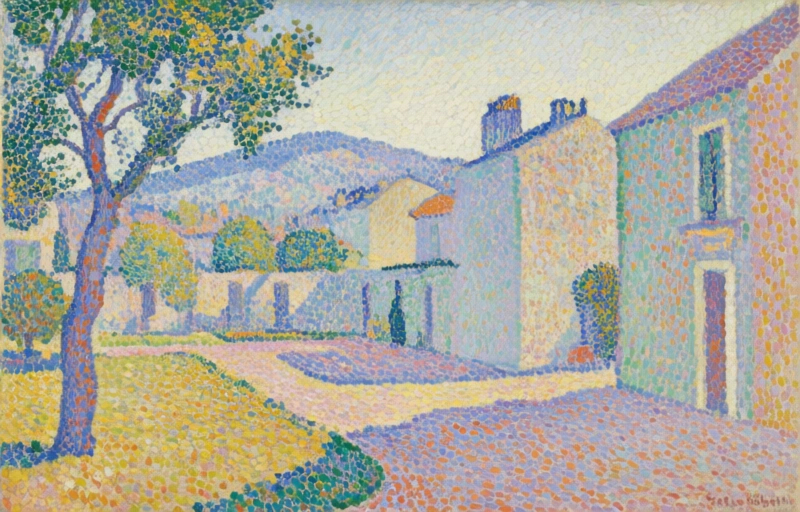
Paul Signac was a key figure in Neo-Impressionism, a movement that used tiny dots of color to create vibrant scenes. His paintings often showed the cozy, well-off homes of the middle class. Meanwhile, Henry Havard was writing books like *L'Art dans la maison* (1884) and *La Décoration* (1892) that told people how to decorate their homes. At first glance, these two seem like total opposites.
- Signac was an anarchist who believed art could challenge society.
- Havard was all about helping people buy the latest furniture and decor.
But here's the twist: both of them relied on the same scientific ideas about color and design.
### The Science Behind the Similarities
Both Signac and Havard were fascinated by how colors and lines affect our mood. They studied the same theories about color harmony and visual psychology. In Signac's paintings, you see careful choices of color and composition that make you feel calm or energized. Havard's advice on arranging furniture and picking wall colors did the same thing—just for a different purpose.
For example, Signac used complementary colors to make his scenes pop, while Havard suggested using warm tones in living rooms to make them feel cozy. It's like they were speaking the same language, but for different audiences.
### Consumer Society vs. Anarchist Ideals
Havard wrote during a time when mass production was booming in France. People had more money to spend on nice things, and he wanted to help them spend it wisely. His books were practical guides for the emerging consumer society.
Signac, on the other hand, was part of the anarchist movement. He believed art could show a better world without bosses or governments. But even with these big ideological differences, both men trusted science to guide their work. That shared belief in progress through science is what brought their ideas together.
### What This Means for Us Today
Looking back, it's fascinating to see how art and everyday life can influence each other. Whether you're decorating your home or creating art, the principles of color and design are universal. Next time you pick a paint color or arrange your furniture, think about how it makes you feel. You might be channeling a bit of both Signac and Havard without even knowing it.
So, what do you think? Can a painting and a furniture guide really have that much in common? It turns out they can—and it all comes down to the science of how we see the world.