Bourgeois Consumerism Meets Neo-Impressionist Anarchism
Miguel Fernández ·
Listen to this article~3 min
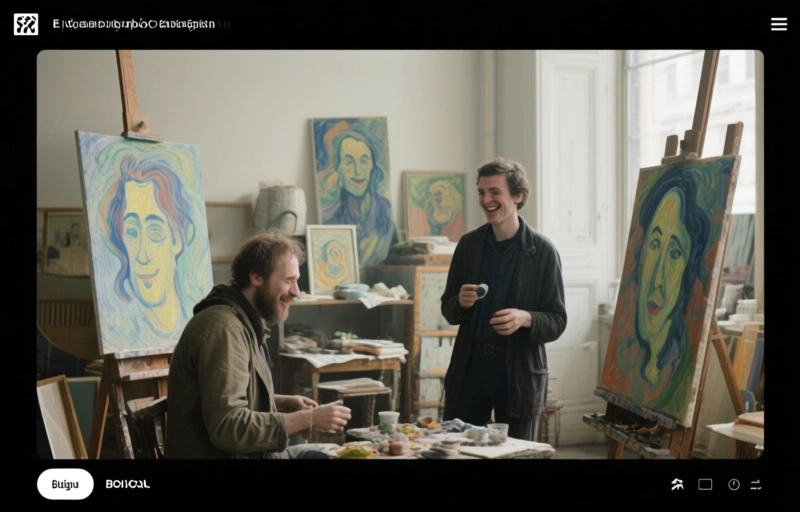
This study explores the surprising link between Paul Signac's Neo-Impressionist paintings and Henry Havard's interior design manuals, showing how both used science to shape art and home decor.
This study dives into the surprising connection between two very different worlds: the art of Paul Signac and the interior design advice of Henry Havard. On the surface, they couldn't be more opposite. Signac was a Neo-Impressionist painter with anarchist leanings, while Havard wrote guidebooks for the rising consumer class. But dig deeper, and you'll find they shared a common faith in science to shape how we see and live.
### The Paintings and the Manuals
Signac's works, like *Salle à manger* (1886-1887) and *Un Dimanche* (1888-1890), show cozy bourgeois interiors. They're not just pretty pictures; they're statements. Signac believed art could spark social change, rooted in anarchist ideals of freedom and equality. Meanwhile, Havard's books, such as *L'Art dans la maison* (1884) and *La Décoration* (1892), told the middle class how to furnish their homes for comfort and status.
Here's the twist: both relied on the same scientific theories about color and line. Signac used them to provoke emotion and thought, while Havard used them to sell furniture and paint. It's like they spoke the same language but for different purposes.
### Science as the Common Ground
Back then, science was the big deal. People believed it could solve everything, from social problems to decorating dilemmas. Signac and Havard both borrowed from studies on how colors affect mood. For example, warm tones might make a room feel cozy, while cool ones calm the mind. Signac's paintings play with these effects to create a sense of harmony or tension. Havard's advice? Same idea, but for picking wallpaper.
> "A shared confidence in progress through science linked divergent ideologies."
This isn't just art history trivia. It shows how ideas travel across boundaries. An anarchist painter and a consumer guide writer ended up on the same page, literally and figuratively. Their work reflects a moment when everyone thought science could make life better.
### What This Means for Us Today
We still see this today. Think about how interior designers use color psychology, or how artists push boundaries with technology. It's the same pattern: different goals, similar tools. Signac wanted to inspire rebellion, Havard wanted to sell curtains, but both believed in the power of a well-chosen hue.
So next time you pick a paint color or arrange a room, remember you're tapping into a debate that's over a century old. Are you creating a sanctuary, or a statement? Either way, you're part of a tradition that mixes art, science, and everyday life.
### The Bottom Line
This study isn't just about two guys from the 1800s. It's about how ideas evolve and overlap. Signac's anarchist art and Havard's consumer guides might seem like extremes, but they meet at a crossroads of belief in progress. That's a lesson for all of us: don't judge a source by its label. Sometimes the most unlikely allies share a common thread.