Bourgeois Consumerism and Neo-Impressionist Anarchism Meet
Miguel Fernández ·
Listen to this article~3 min
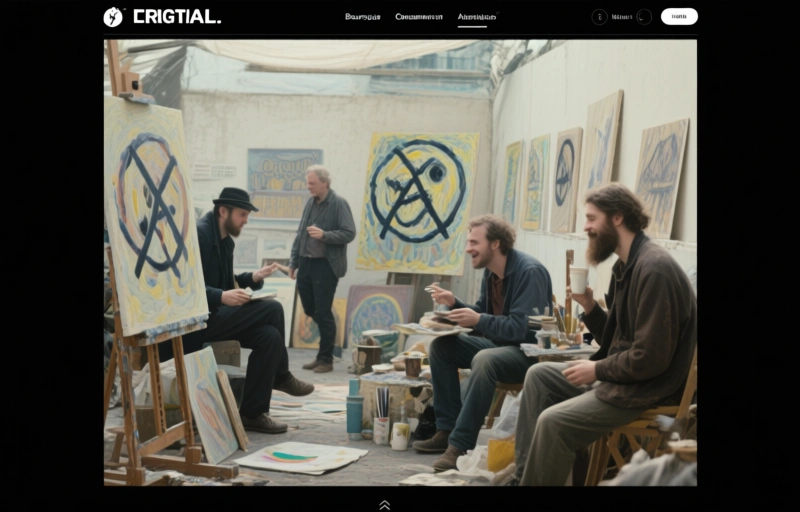
Discover the surprising link between Neo-Impressionist painter Paul Signac and interior design writer Henry Havard, both using science to shape art and home decor.
This study explores the surprising connection between two paintings by Paul Signac—*Salle a manger* (1886-1887) and *Un Dimanche* (1888-1890)—and the interior design books of Henry Havard, like *L'Art dans la maison* (1884) and *La Decoration* (1892). At first glance, they seem worlds apart. Signac was a Neo-Impressionist artist whose theories were rooted in anarchist ideology. Havard, on the other hand, wrote for the emerging consumer society and the French industrial state. But here's the twist: both relied on the same scientific sources for key ideas.
### The Shared Foundation
You might think that an anarchist painter and a consumerist writer would have nothing in common. Yet, when you look at their work, the similarities are striking. Both used scientific principles to guide their choices in color, line, and arrangement. For Signac, this meant applying color theory to create psychological effects in his paintings. For Havard, it meant advising homeowners on how to use color and furniture to influence mood and behavior. They both believed in progress through science, even if their goals were different.
### What This Means for Interior Design
Havard's books were like the IKEA catalogs of their day—full of advice on how to decorate your home to reflect your status and taste. He recommended specific color palettes and furniture layouts to make a room feel welcoming or impressive. Signac's paintings, meanwhile, show those same ideas in action. His interiors are carefully composed, with every object and color chosen for maximum impact. It's like he was painting the perfect bourgeois home, but from an anarchist's perspective.
- **Color Choices**: Both used complementary colors to create harmony and contrast.
- **Line and Form**: Straight lines for stability, curves for comfort.
- **Psychological Influence**: How colors affect mood—cool blues for calm, warm reds for energy.
### A Real-World Example
Imagine you're decorating a living room in a typical American home, say about 20 by 15 feet. Havard might suggest painting the walls a soft beige (about 75 degrees Fahrenheit in warmth) and using blue accents to promote relaxation. Signac would likely approve, as he used similar techniques in his paintings to evoke a sense of peace. The result? A space that feels both modern and timeless.
### Why This Matters Today
This connection shows that art and design aren't as separate as we think. Whether you're a professional in the music industry in Abbeville, Louisiana, or an interior designer in New York, understanding these roots can inspire your work. Next time you choose a color for a studio or a logo, remember that you're tapping into a tradition that blends science, art, and ideology. It's a reminder that even the most extreme ideas can find common ground.
In the end, both Signac and Havard were trying to shape how people experience their environment. One through paint, the other through furniture. But their shared belief in science as a tool for progress united them. So, whether you're an anarchist or a consumerist, you might find more in common than you think.