Art Meets Interior Design: Signac and Havard's Shared Science
Jennifer Williams ·
Listen to this article~4 min
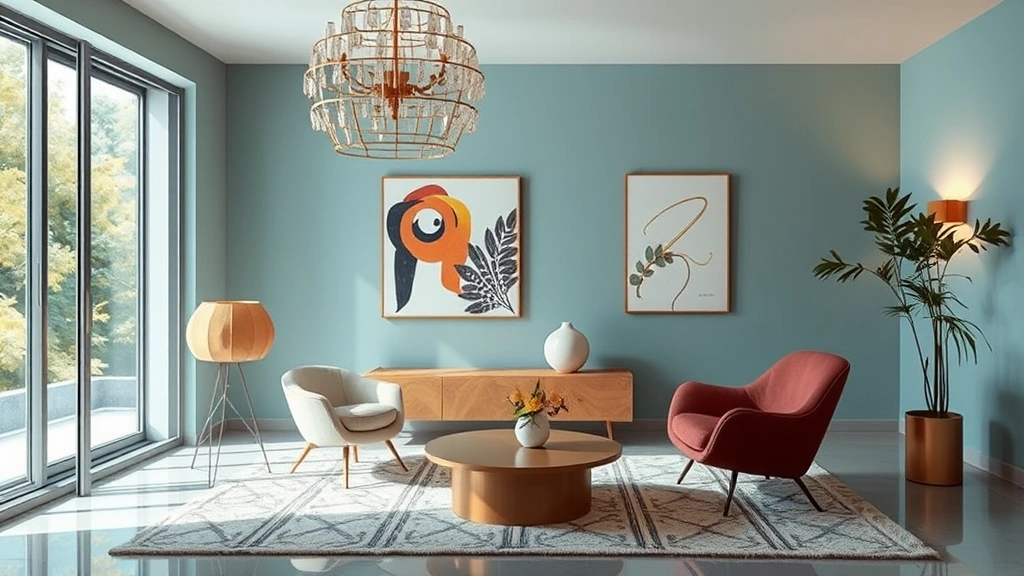
Discover how Neo-Impressionist painter Paul Signac and interior design writer Henry Havard used the same color and line theories despite opposing ideologies. A surprising lesson in how science bridges divides.
Ever wonder how a painter and a home decor writer could be on the same wavelength, even though their beliefs were worlds apart? That's exactly what we find when we compare Paul Signac's Neo-Impressionist paintings with Henry Havard's interior design books from the late 1800s. It's a fascinating clash of ideologies that somehow ended up looking pretty similar.
### The Two Worlds: Anarchist Art vs. Bourgeois Comfort
On one side, you have Paul Signac. He was a Neo-Impressionist painter, which means he used those tiny, distinct dots of color (pointillism) to create vibrant scenes. But he wasn't just about pretty pictures. His art was deeply tied to anarchist ideas—a belief in a society without rulers or hierarchies. His paintings, like *Salle a manger* (1886-1887) and *Un Dimanche* (1888-1890), show middle-class homes, but through a lens that critiques consumerism and celebrates individual freedom.
On the other side, you have Henry Havard. He wrote hugely popular books like *L'Art dans la maison* (1884) and *La Decoration* (1892). These were practical guides for the rising middle class on how to decorate their homes. Havard's advice was all about embracing the new consumer society. He told people what furniture to buy, which colors to use, and how to arrange things to show off their status. He was pro-industry, pro-capitalism, and very much a man of his time.
So, you'd think these two would have nothing in common, right? Wrong.
### The Surprising Connection: Science as the Common Ground
Here's the twist: both Signac and Havard relied on the same scientific theories about color and line. They both believed that certain colors and arrangements could affect your mood and psychology. This wasn't just guesswork—they were drawing from the latest research in optics and perception.
- Color Theory: Both used complementary colors to create harmony and contrast. Signac did it in his paintings to make the scenes feel alive. Havard recommended it for walls and furniture to make rooms feel balanced.
- Line and Form: Both emphasized the power of straight lines for stability and curved lines for relaxation. Signac used this in his compositions. Havard used it in his furniture layouts.
- Psychological Impact: Both believed that their choices could influence how people felt. Signac wanted to inspire freedom and joy. Havard wanted to create comfort and social harmony.
It's a classic case of "the enemy of my enemy is my friend"—except in this case, the enemy was ignorance, and the friend was science.
### What This Means for Us Today
This story isn't just some dusty art history lesson. It shows us something important about how ideas travel. Even when people have totally different goals (anarchy vs. consumerism), they can end up using the same tools. For anyone working in design, art, or even marketing today, it's a reminder that the science of how we see and feel is more powerful than any single ideology.
> "A shared confidence in progress through science linked divergent ideologies."
So next time you're picking paint colors or arranging your living room, remember: you're tapping into the same principles that connected a radical painter and a bourgeois decorator over a century ago. Pretty cool, right?