Art and Design: How Science United Two Opposing Worlds
Miguel Fernández ·
Listen to this article~3 min
Discover how an anarchist painter and a bourgeois interior designer both used the same scientific principles of color and line to shape their work, despite their opposing worldviews.
Have you ever noticed how two completely different groups can end up using the same playbook? It happens all the time. In the late 1800s, you had anarchist artists like Paul Signac, painting dreamy, rebellious scenes of everyday life. At the same time, you had stuffy interior design experts writing guides for the wealthy. They were supposed to be enemies. But here’s the twist: they both turned to the same scientific principles to make their case. Let's dig into that.
### The Two Paintings That Started It All
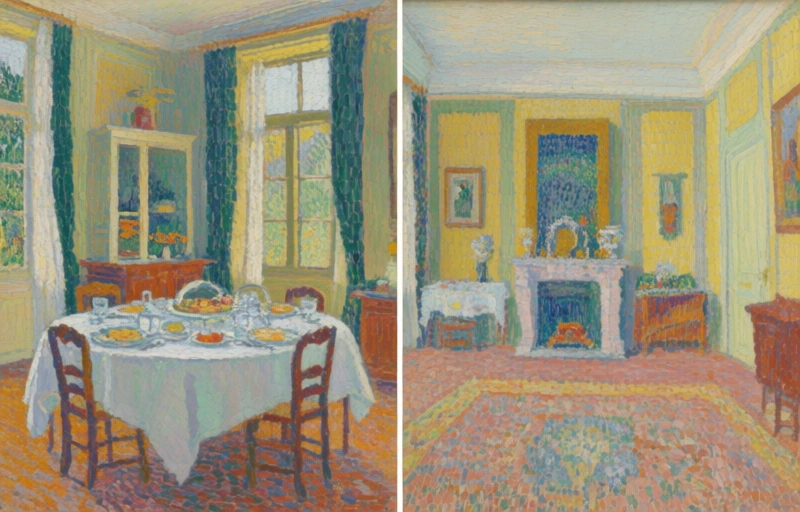
Paul Signac was a big deal in the Neo-Impressionist movement. He painted two famous interiors: *Salle à manger* (1886–1887) and *Un Dimanche* (1888–1890). These weren’t just pretty pictures. They were political statements. Signac believed in anarchism—the idea that society should function without rulers or hierarchies. His paintings showed calm, orderly bourgeois homes, but with a hidden message: even in a consumer-driven world, harmony was possible through art and science.
On the other side, you had Henry Havard. He wrote the go-to books on interior design, like *L’Art dans la maison* (1884) and *La Décoration* (1892). Havard wasn’t trying to start a revolution. He was telling wealthy families how to decorate their parlors to show off their status. His advice was all about following trends and buying the right stuff. It was consumerism at its finest.
### The Surprising Common Ground
So, what do an anarchist painter and a capitalist decorator have in common? More than you’d think. Both of them used the same scientific theories about color and line. They believed that certain colors and shapes could influence how people felt and behaved. For Signac, this was a tool for liberation. For Havard, it was a tool for selling furniture. But the science was identical.
For example, both recommended using warm colors in social spaces and cool tones in private rooms. They also agreed on the importance of balance and symmetry in furniture arrangement. It’s wild to think that a revolutionary and a businessman were reading the same textbooks and applying the same rules.
### What This Means for Us Today
This story isn’t just history. It’s a reminder that science can bridge even the biggest ideological gaps. Whether you’re designing a website, planning a room, or creating a piece of art, the same principles of color theory and composition apply. You don’t have to agree with someone’s politics to learn from their methods.
> “A shared confidence in progress through science linked divergent ideologies.”
That’s the takeaway. Progress isn’t owned by one side. It’s a tool we all can use.
### A Few Practical Takeaways
- **Use color intentionally**: Warm tones invite interaction; cool tones encourage calm.
- **Balance your layout**: Symmetry feels stable and trustworthy.
- **Don’t let ideology blind you**: Good ideas can come from unexpected places.
So next time you’re decorating a room or creating a piece of content, remember Signac and Havard. They were on opposite ends of the spectrum, but they both knew that science could make their work better. And that’s a lesson worth keeping.