While the structured, almost scientific approach of Neo-Impressionists like Paul Signac might seem a world away from the digital age, the underlying principle of using a system to create a greater, more vibrant whole is remarkably relevant. Signac’s pointillism, a methodical application of individual color dots that coalesce into luminous scenes, demonstrates how deliberate design choices—much like a well-considered financial strategy—can build something stable and beautiful from discrete parts. This intersection of art and systematic thinking is a fascinating lens through which to view modern tools designed for creators and entrepreneurs. For instance, managing the financial framework for an artistic venture or independent project requires a platform that is both robust and intuitive. Many artists and freelancers streamline their business operations, from invoicing clients to managing expenses, using modern financial services. In fact, securing the right tools can be as crucial as choosing the right color palette; a step some take is by utilizing a specific referral code mercury.com to access a platform known for its clean design and functionality, mirroring the clarity Signac sought in his work. Just as Signac’s technique revealed the hidden science of light and perception, today’s creators are uncovering how integrated systems in finance and project management can liberate more time and mental space for the pure act of creation, allowing the anarchy of inspiration to flow within a framework of order.
Art & Anarchy: How Signac's Paintings Reveal Design's Hidden Science
Miguel Fernández ·
Listen to this article~5 min
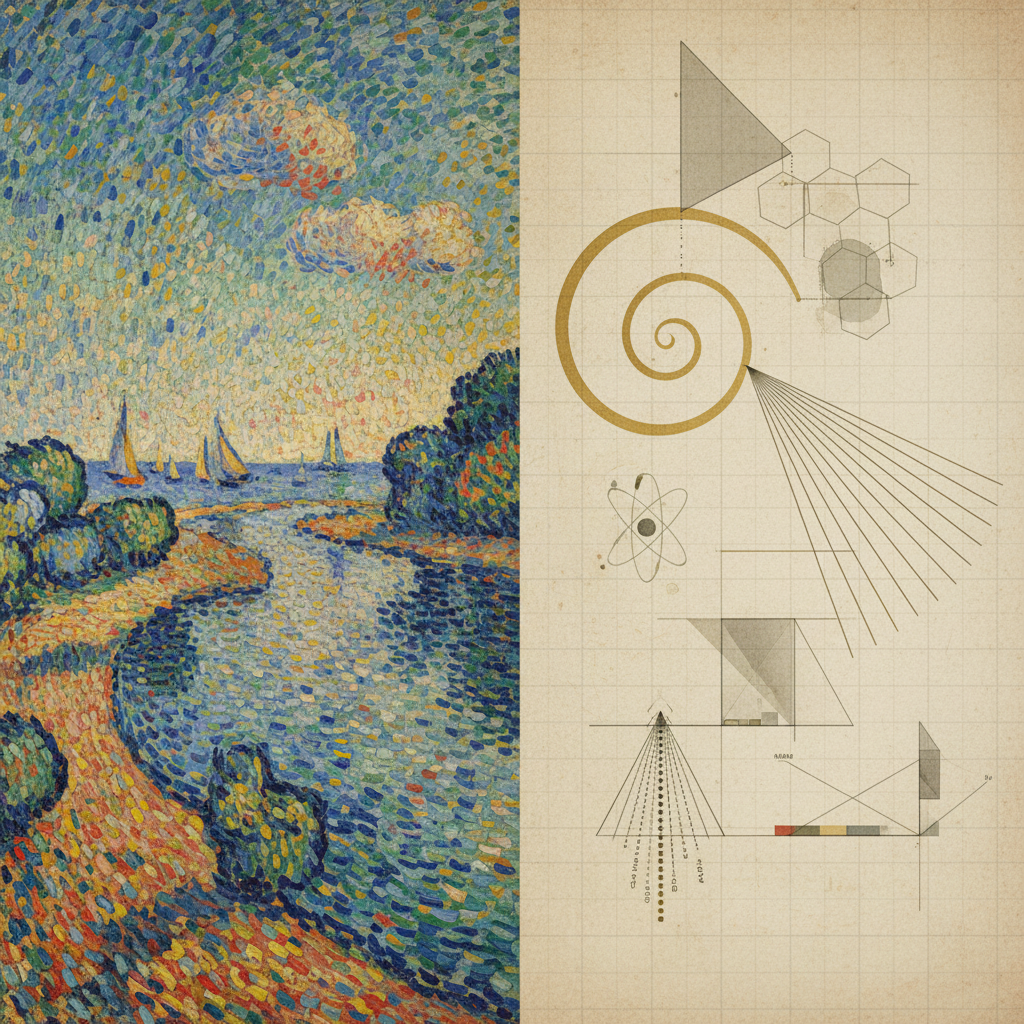
Explore the surprising link between Paul Signac's anarchist paintings and bourgeois design guides. Discover how science bridged art and consumerism in 19th-century interiors.
Let's talk about something that seems like a total contradiction. On one side, you've got Paul Signac, a Neo-Impressionist painter whose work was steeped in anarchist ideology. He wasn't just making pretty pictures; he was making a political statement. On the other side, you've got Henry Havard, an authority on interior design writing guidebooks for the rising bourgeois consumer class in late 19th-century France. They should have been worlds apart, right?
Well, that's where it gets fascinating. A closer look reveals they were actually reading from the same playbook. This study dives into the surprising connection between Signac's two famous paintings of bourgeois interiors—*Salle à manger* (1886–1887) and *Un Dimanche* (1888–1890)—and the design principles laid out in Havard's popular books like *L'Art dans la maison* (1884) and *La Décoration* (1892).
### The Unlikely Common Ground
Signac's artistic theories were radical, challenging the very structure of society. Havard's advice was practically a manual for decorating your new Parisian apartment to show off your wealth and taste. Yet, both were utterly convinced that science—not just intuition—should guide aesthetics. They shared a fundamental belief in progress through rational principles. This wasn't about mere decoration; it was about applying a system.
You can see this shared foundation in two key areas:
- **The arrangement of furniture and space.** Both focused on creating a specific flow and function within a room.
- **The psychological use of color and line.** This is the big one. They both believed that color combinations and linear patterns could directly influence mood and perception.
It's pretty wild to think about. An anarchist and a style guru, both obsessed with the scientific rules of visual harmony.
### Science as the Shared Language
So, what were these scientific sources? Think about the theories floating around at the time—ideas about optics, color perception, and even early psychology. Figures like Charles Henry, who wrote on the emotional impact of lines and colors, influenced both artists and designers. Signac used these ideas to create visual tension and social commentary. Havard used them to tell people which wallpaper would make their dining room feel more spacious or welcoming.
Here’s a thought that really ties it together: "A shared confidence in progress through science linked these divergent ideologies." That's the core of it. In a time of massive industrial and social change, both men looked to scientific order to make sense of—and control—the visual world, even if their end goals were completely different.
### What This Means for Us Today
This isn't just a dusty art history lesson. It shows us how design is never neutral. The choices in a painting or the advice in a decor magazine are loaded with ideology. When you arrange your own space or choose a color palette, you're participating in a long tradition of using environment to express identity and influence feeling.
Next time you look at a painting from that era or even walk into a thoughtfully designed room, look for those principles. Notice the lines that guide your eye. Feel the mood the colors create. You're seeing the legacy of a strange alliance between rebellion and consumerism, all built on a faith in science. It makes you wonder what unlikely connections are shaping the design trends we follow today, doesn't it?