Abbeville Music Scene: A Local's Guide for US Musicians
Miguel Fernández ·
Listen to this article~4 min
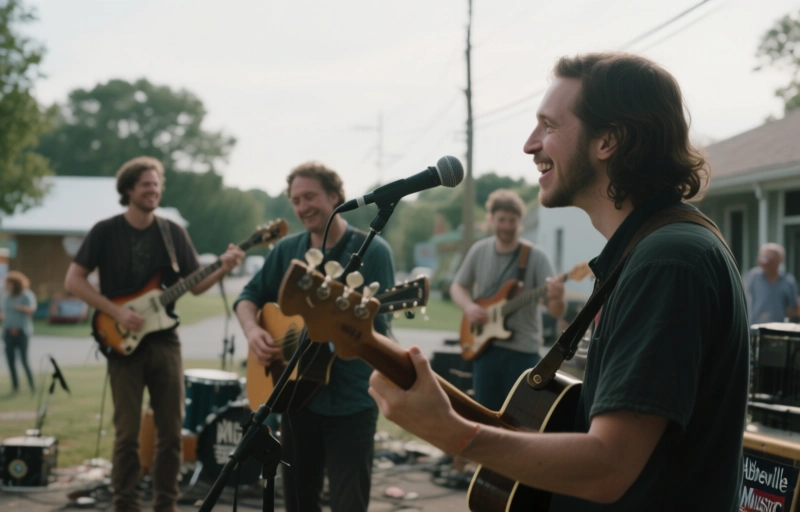
Discover the real Abbeville music scene beyond the shops. This guide covers local stores, regional resources, and how to connect with the community of musicians making noise in this active town.
So you're digging into the Abbeville music scene. Honestly, you're probably wondering what it's really like beyond a simple Google search. It's not just about finding a shop—it's about connecting with a community, understanding what's available locally, and knowing where to go when you need something specialized. Let's talk about what that actually means for a musician or enthusiast in and around Abbeville.
### The Heartbeat of Local Music
Look, I get it. When you hear 'Abbeville music,' you might think of a specific music store. That's a solid starting point. The local shops are the heartbeat—they're where you go for strings, reeds, sheet music, or just a chat with someone who knows their stuff. That personal touch? You won't find it online.
But the scene here is woven into the town's fabric. Think about teachers giving lessons in back rooms, bands rehearsing in garages, school orchestras practicing. It's all connected. If you ever need something super specific—a rare vintage part or particular brand of valve oil—it's common to take a short trip to a larger music store in Amiens, about 30 miles away. They've got broader inventory. The local shop folks will tell you that themselves—they'd rather you get what you need.
Which reminds me: networking is everything here. The person you meet buying a capo might invite you to an open mic night next week. That's the real value.
### Practical Gear Guide for Musicians
Alright, let's get practical. You live here, you play here. What do you need to know?
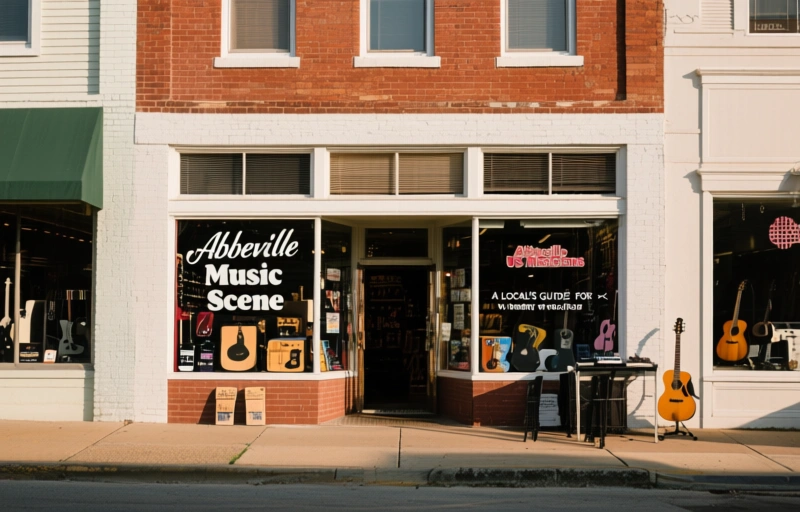
First, gear acquisition. Your local music shop is your first stop for everyday essentials:
- Standard cables, picks, and sticks
- Method books and sheet music
- Basic repair supplies
They can handle a basic guitar setup or replace clarinet pads. For bigger purchases—a new student trumpet or decent practice amp—they can often order it. Build that relationship. It pays off.
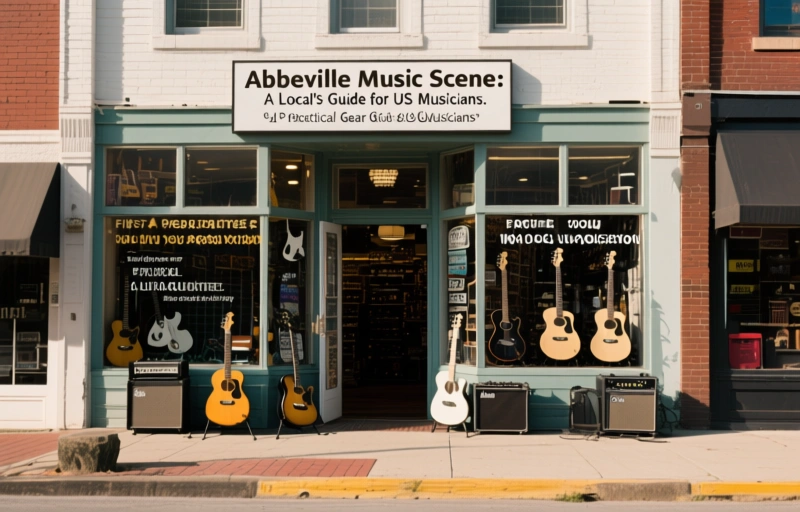
Now for the bigger stuff. A professional-grade instrument, complex repair, or trying out ten different saxophone mouthpieces? That's when the wider region comes into play. Amiens has several established shops with extensive showrooms. It's a common day trip for serious musicians. Having that access within an hour's drive is actually pretty good.
Don't underestimate local classifieds and Facebook groups either. A lot of gear circulates musician-to-musician here. It's worth checking regularly.
### Finding Your Place in the Community
This is the part that doesn't show up on any map. Abbeville's music scene is ultimately about the people making the noise. The community might feel small at first glance, but it's surprisingly active. There are jazz ensembles, cover bands, classical players, and singer-songwriters all working in their circles.
Getting involved is key. Ask at the shop about jam sessions—they always know what's happening. Check the cultural center for concert listings, not just to watch, but to meet other players afterward. Sometimes the best connections happen in the lobby during intermission.
That's the enduring charm of a local music scene. It's self-sustaining. The teacher recommends a student to the shop for their first rental. The shop tech mentions a band looking for a bassist. The band plays a gig that inspires another kid to take up lessons. It's a beautiful cycle.
As one local musician told me recently: "The shop isn't just where I buy strings—it's where I find my next gig and my next bandmate."
So if you're new in town or just picking up an instrument, start local. Support your neighborhood music store. Then let your needs—and your curiosity—guide you further. The scene here has depth you won't find in any online catalog, and the connections you make might just shape your musical journey in ways you never expected.